Teleskopas su knyga Discovery Spark 506 AZ (EN)
Kodas: 01298SKH
Gamintojo kodas: -
Įsiminti
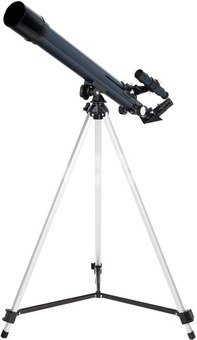
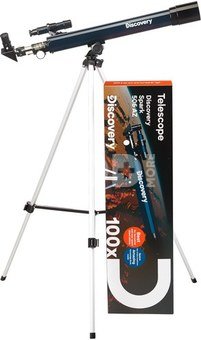
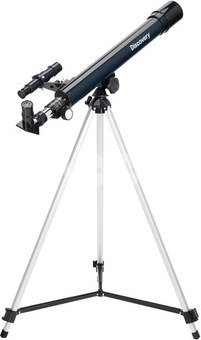
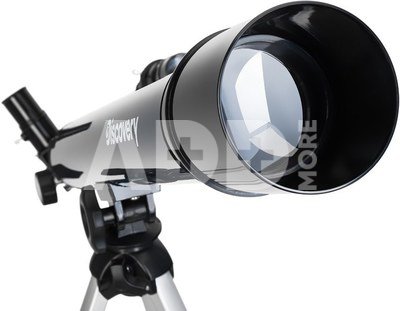
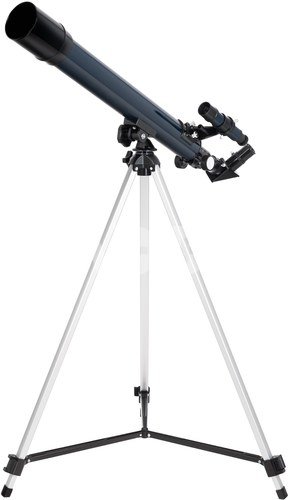
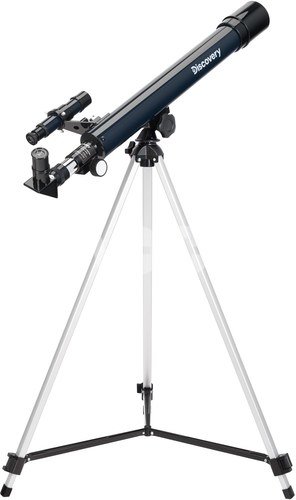
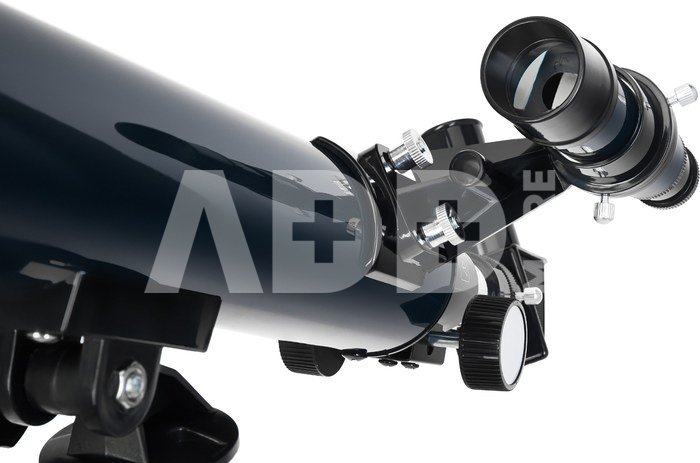
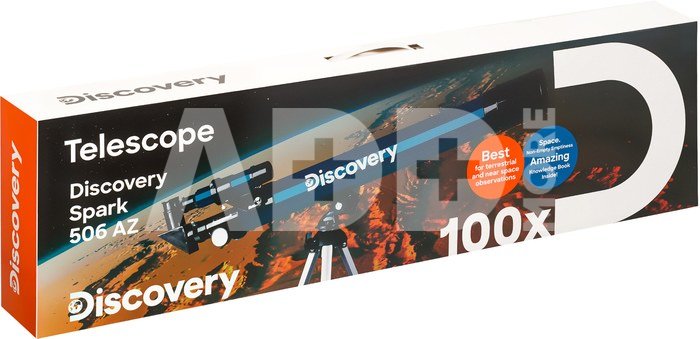
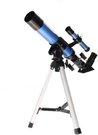
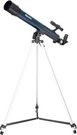
The Discovery Spark 506 AZ telescope with a knowledge book is an entry-level achromatic refractor. It is easy to master. It is also suitable for the first experiments in astronomy as well as for observing the Moon. In addition to the practical application, you will be able to expand your existing theoretical knowledge! The telescope comes with a colorful book of knowledge about space. During the day, the telescope may be easily converted into a spotting scope to study natural landscapes and distant terrestrial objects.
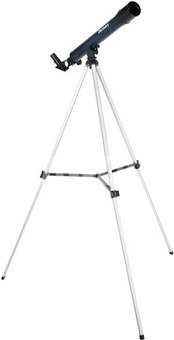
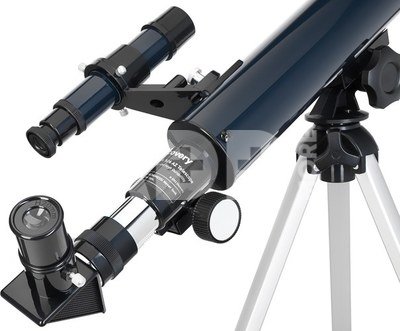
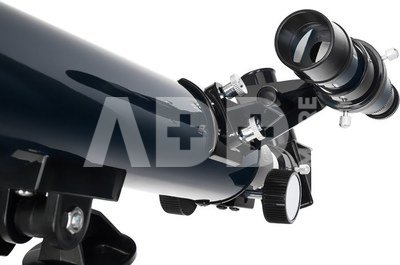
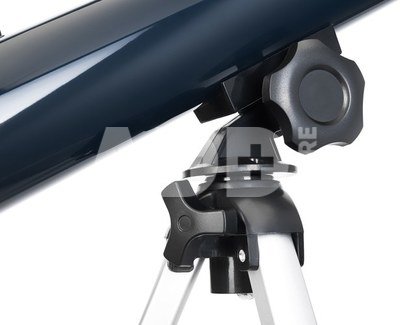
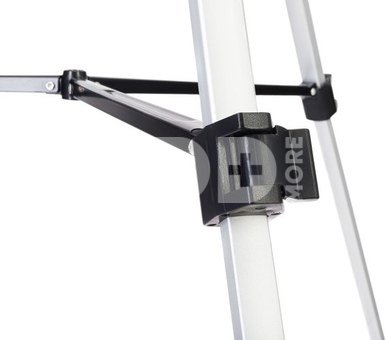
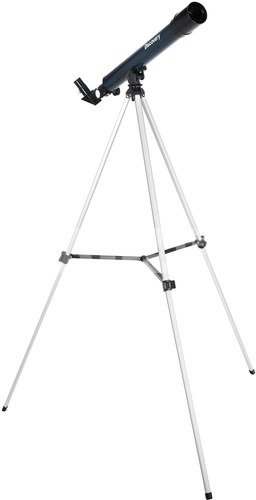
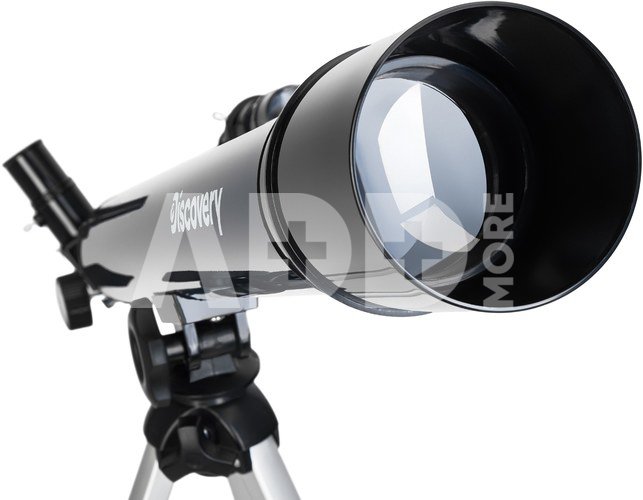
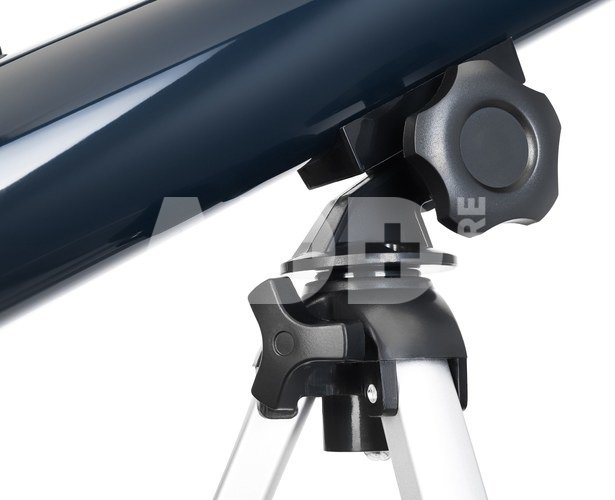
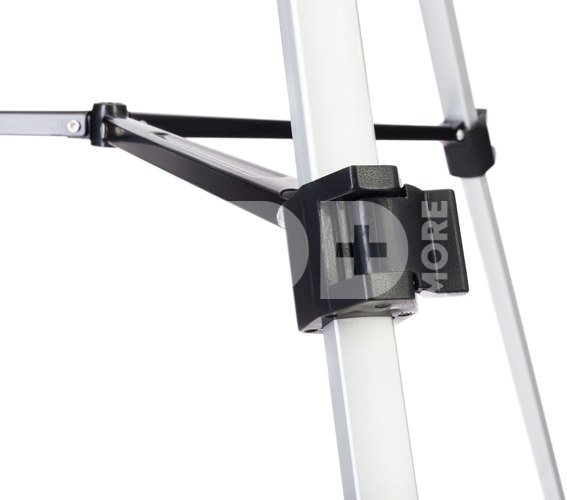
The optics are made of glass, so the telescope produces clear, bright images. The achromatic optical scheme and anti-reflective coating of the lenses improve the image quality, eradicating aberrations. A standard alt-azimuth mount is used for pointing the telescope, which can be mastered by a user at any skill level. The mount is installed on a sturdy aluminum tripod that is adjustable. This allows you to find a comfortable position for stargazing for everyone in the family.
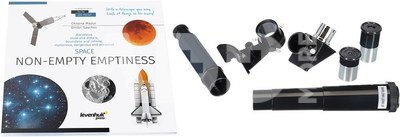
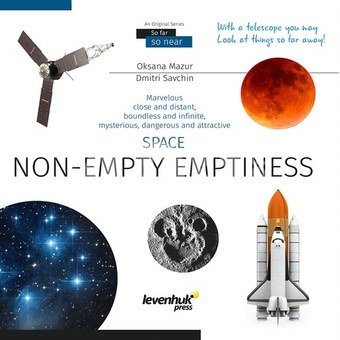
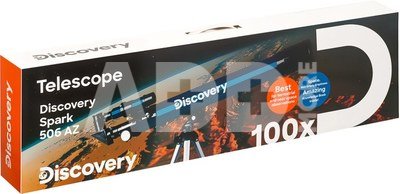
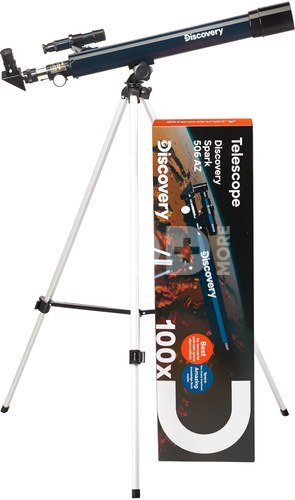
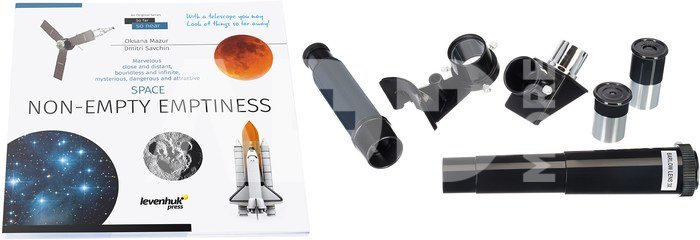
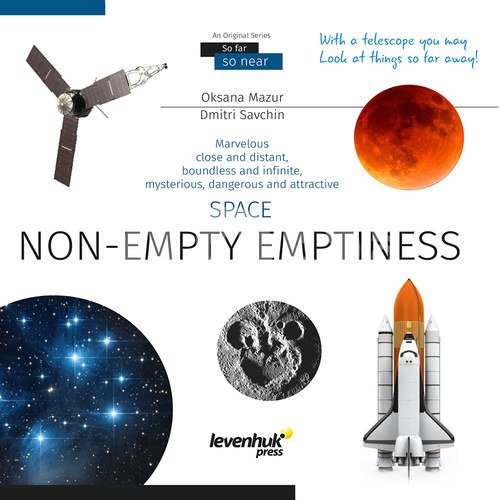
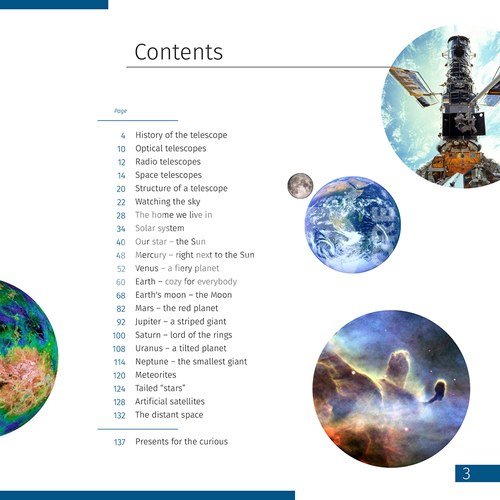
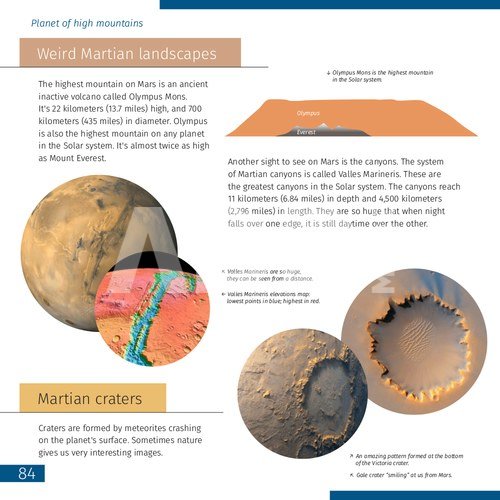
One of the advantages of the Discovery Spark 506 AZ is a full set of accessories. In addition to the telescope, there are two eyepieces with different focal lengths, a 3x Barlow lens, and other accessories in a colorful gift box. The “Space. Non-empty emptiness” illustrated knowledge book will give aspiring space explorers answers to many questions and provide interesting facts about celestial bodies.
Key features:
- Alt-azimuth mount telescope with a simple control
- The optical scheme: an achromatic refractor
- Glass optics, anti-reflective coating
- A set of accessories for a quick start
- An informative space guidebook
The kit includes:
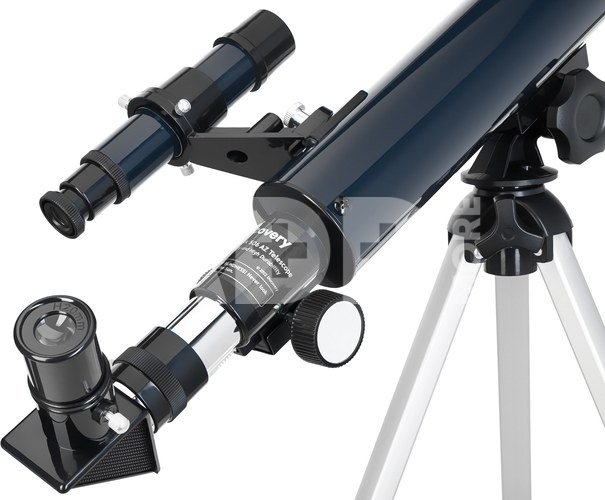
- Telescope optical tube
- H 6mm eyepiece
- H 20mm eyepiece
- Optical finderscope 5x24
- 90° diagonal mirror
- 3x Barlow lens
- Alt-azimuth mount
- Aluminum tripod
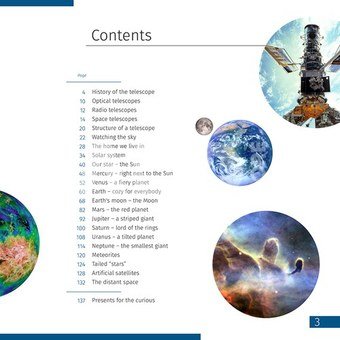
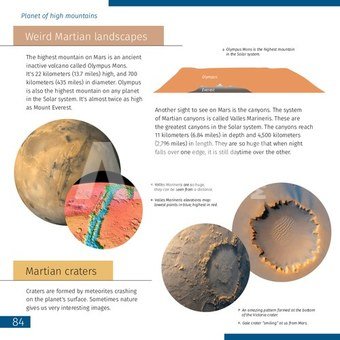
- "Space. Non-empty emptiness" knowledge book
- User manual and warranty card
| Brand |
Discovery |
| Warranty, years |
10 |
| EAN |
4620137483574 |
| Package size (LxWxH), cm |
77x23x12 |
| Shipping Weight, kg |
2.46 |
| Optical design |
refractor |
| Optical scheme |
achromat |
| Optics coating |
anti-reflective |
| Objective lens diameter (aperture), mm |
50.0 |
| Focal length, mm |
600 |
| Highest practical power, x |
100.0 |
| Aperture ratio |
f/12 |
| Resolution threshold, arcseconds |
12 |
| Limiting stellar magnitude |
10.59 |
| Eyepieces |
H6mm (100x), H20mm (30x) |
| Eyepiece barrel diameter, in |
0.965 |
| Finderscope |
optical, 5x24 |
| Focuser |
rack & pinion |
| Tripod |
aluminum |
| Tripod height (adjustable), mm |
630–1130 |
| Telescope control |
manual |
| Optical tube mounting mode |
screws |
| Optical tube material |
metal |
| User level |
beginners |
| Assembly and installation difficulty level |
extremely simple |
| Observed object |
terrestrial objects, planets of the Solar System |
Pristatymo laikas
4-7 d.d.
Aptarkite su konsultantu Kaune
Neturime
Kaunas Adresas: Birželio 23-iosios g. 23g Darbo laikas: I-V 09:00 - 18:00 VI-VII nedirba Telefonas: +370 674 59488
Aptarkite su konsultantu Klaipėdoje
Neturime
Klaipėda Adresas: Taikos pr. 17 Darbo laikas: I-V 10:00 - 19:00 VI 10:00 - 14:00 VII nedirba Telefonas: +370 604 43972
1. Kaip pasirinkti teleskopą pagal stebėjimo poreikius?
Pasirinkdami teleskopą, svarbu atsižvelgti į stebėjimo poreikius. Pirmiausia, nuspręskite, ką planuojate stebėti – planetas, mėnulį, žvaigždynus arba kitus kosminius objektus. Didinimo galia yra svarbus faktorius, bet didelis didinimas ne visada reiškia geresnį vaizdą. Skersmuo ir fokuso atstumas lemia, kiek šviesos teleskopas surenka ir kaip ryškus bus vaizdas. Taip pat verta atsižvelgti į teleskopo tipą (refraktorinis teleskopas arba reflektorinis teleskopas). Refraktoriai turi optinius lęšius, o reflektoriai – veidrodį. Refraktoriai yra kompaktiški ir gerai tinka planetų stebėjimui, o reflektoriai gali būti geresni žvaigždžių stebėjimui. Mobilumas, montavimo patogumas ir transportavimo galimybės taip pat svarbu. Įvertinkite savo patirties lygį – pradedantieji gali pageidauti paprastesnių modelių, o patyrę astronomai gali ieškoti profesionalių teleskopų su daugiau funkcijų. Pasirinkite teleskopą, kuris atitinka jūsų stebėjimo poreikius ir suteiks geriausią vaizdą.
2. Kokie yra pagrindiniai teleskopų tipai ir kada reikėtų rinktis kiekvieną iš jų?
Teleskopai skirstomi į kelias kategorijas: refraktoriai, reflektoriai ir sudėtiniai teleskopai. Refraktoriai naudoja lęšius, reflektoriai – veidrodžius, o sudėtiniai teleskopai jungia abu šiuos elementus. Refraktoriai yra idealūs stebint detalias planetų struktūras ir tinkami žvaigždynų stebėjimui dėl jų aiškumo. Reflektoriai, su veidrodžiais, dažnai naudojami gilesnių kosmoso objektų stebėjimui ir jie dažnai yra ekonomiškesni. Sudėtiniai teleskopai, kombinuojantys abu principus, tinka tiek pradedantiesiems, tiek patyrusiems astronomams. Pasirinkimas priklauso nuo paskirties – refraktoriai dažniausiai naudojami planetų stebėjimui, reflektoriai - žvaigždynams ir galaktikoms, o sudėtiniai teleskopai teikia lankstumą ir universalumą. Mobilumas, stebėjimo vietos ir biudžetas yra svarbūs veiksniai, kurie turėtų būti vertinami pasirinkiant tinkamą teleskopą.















Atsiliepimai
0 vidutinis įvertinimas (0 įvertinimų)