+370 462 46444
I-V 10:00-19:00
VI 10:00-14:00

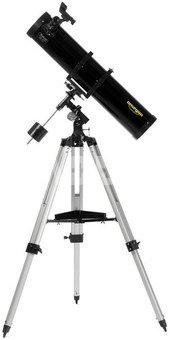
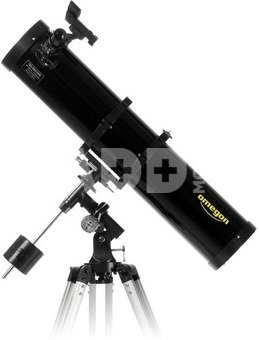
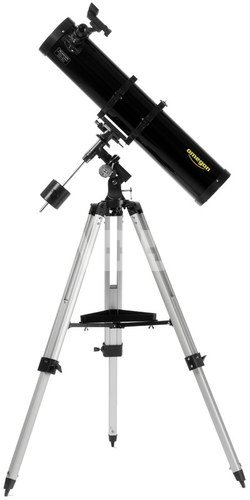
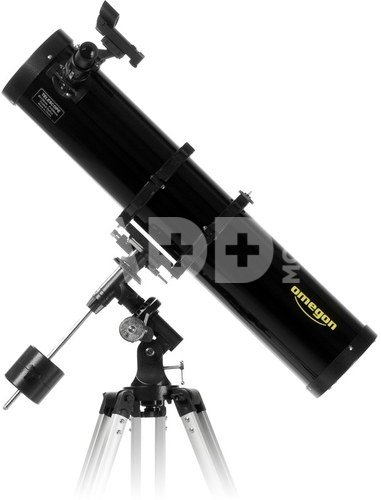
Teleskopas Omegon N 130/920 EQ-2

Teleskopas Omegon N 130/920 EQ-2
Kodas: 01179SKH
Gamintojo kodas: -
Įsiminti
EU sandėlyje
Pristatymas 5-7 d.d.
EAN
4049467137627
Pasirinkite savybes
Spalva
289.00
Nuomoti(nuo €/diena)
Pratęsta garantija
Prekės draudimas

Nemokamai atsiimkite Kaune, parduotuvėje (Birželio 23-iosios g. 23g) Liepos 22 d.

Nemokamai atsiimkite Klaipėdoje, parduotuvėje (Taikos pr. 17) Liepos 22 d.

Pristatysime į namus per kurjerių tarnybą Liepos 24 d.

Turite klausimų? +370 462 46444 Siųskite užklausą

AprašymasTeleskopas Omegon N 130/920 EQ-2 aprašymas


The Omegon 130/920 EQ-3 telescope is just the right telescope for taking your first steps in exploring the night sky. With a very high light collection capacity it is an easy matter to undertake excursions into the world of deep-sky objects. Whether it is Saturn with its ring systems, or the Ring Nebula 2300 light years away with its diaphanous ring - with the Omegon 130/920 even more is possible!

The 130/920 Optics

The 130mm aperture offers around 30% more light gathering capacity than the smaller 114/900mm model and the optics collect 344 times more light compared to the naked eye. These figures show that this size of telescope already has a host of possibilities.
It is not always possible to use the highest magnification when observing, but, under good conditions and with a suitable eyepiece, magnifications of up to 260 times are feasible. The resolution and magnifications possible are already sufficient to get to know the initial features on some planets. The tube has a 1.25” focuser, which can take all the standard eyepieces.


If you then want to observe outside the solar system too, numerous objects such as star clusters, hydrogen nebulae and even some galaxies will be opened up to you.
Would you also like to try your hand at photography? Here too you can take the first steps. With just a simple digital camera and an optional camera adapter you will already be able to take attractive shots of the moon.


The Omegon N130/920 Newtonian telescope is simple to collimate. This is important, because only when well collimated will the telescope be able to boast its full performance. There are adjustment screws for collimation for the secondary and main mirrors.


The advantages in a nutshell:

  • 130mm aperture optics
  • red dot finder for easy location of celestial objects
  • stable secondary mirror spider vanes
  • 1.25'' focuser for all standard 1.25'' eyepieces and filters
  • collimation adjustment screws for the secondary and primary mirrors
  • a tube weight of 3.4 kg and tube exterior diameter of 168mm

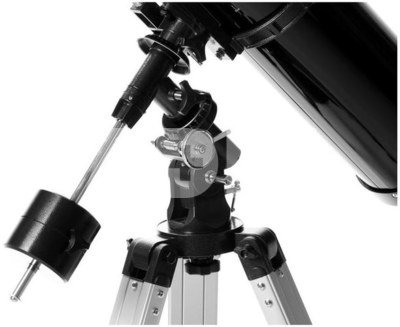
The mounting EQ-2:

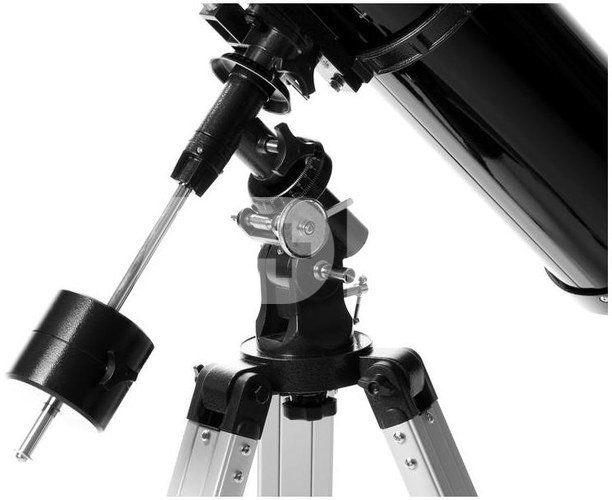
This parallytic mounting bares already the opportunity to arrange optics exactely to the polestar. For each watching-place, the right pole-height/geographic amplitude can be set. The objects can be set and tracked with fine movements in the right ascension- and declination-axe.
The aluminium three leg-tripod is extendable in a height from 71 cm up to 121 cm.

Also for children.

It is not only important which telescope you buy, but also where you buy it.

We provide extra help:

  • We are a leading telescope dealer and know these instruments like the back of our hands.
  • We are always very happy to offer our assistance after your purchase, should you encounter any problems with your telescope’s setup or operation.
  • Our ‘Telescope Basics’ booklet - an 80-page beginner's guide for our telescopes – is provided free of charge with every telescope we sell.

Pristatymo laikas 5-7 d.d.

Aptarkite su konsultantu Kaune

Neturime Kaunas Adresas: Birželio 23-iosios g. 23g Darbo laikas: I-V 09:00 - 18:00 VI-VII nedirba Telefonas: +370 674 59488
Kaunas

Aptarkite su konsultantu Klaipėdoje

Neturime Klaipėda Adresas: Taikos pr. 17 Darbo laikas: I-V 10:00 - 19:00 VI 10:00 - 14:00 VII nedirba Telefonas: +370 604 43972
Klaipėda
Specifikacija
Gamintojas(?) Omegon
Pristatymo laikas 5-7 d.d.
Prekės kodai

01179SKH 4049467137627

Atsiliepimai

0 vidutinis įvertinimas (0 įvertinimų)

 0
 0
 0
 0
 0

Palikite atsiliepimą

Vertinti gali tik prisijungę vartotojai.

Palikti pirkėjų atsiliepimai (0)

Atsiliepimų kol kas nėra. Būk pirmas!

1. Kaip pasirinkti teleskopą pagal stebėjimo poreikius?

Pasirinkdami teleskopą, svarbu atsižvelgti į stebėjimo poreikius. Pirmiausia, nuspręskite, ką planuojate stebėti – planetas, mėnulį, žvaigždynus arba kitus kosminius objektus. Didinimo galia yra svarbus faktorius, bet didelis didinimas ne visada reiškia geresnį vaizdą. Skersmuo ir fokuso atstumas lemia, kiek šviesos teleskopas surenka ir kaip ryškus bus vaizdas. Taip pat verta atsižvelgti į teleskopo tipą (refraktorinis teleskopas arba reflektorinis teleskopas). Refraktoriai turi optinius lęšius, o reflektoriai – veidrodį. Refraktoriai yra kompaktiški ir gerai tinka planetų stebėjimui, o reflektoriai gali būti geresni žvaigždžių stebėjimui. Mobilumas, montavimo patogumas ir transportavimo galimybės taip pat svarbu. Įvertinkite savo patirties lygį – pradedantieji gali pageidauti paprastesnių modelių, o patyrę astronomai gali ieškoti profesionalių teleskopų su daugiau funkcijų. Pasirinkite teleskopą, kuris atitinka jūsų stebėjimo poreikius ir suteiks geriausią vaizdą.

2. Kokie yra pagrindiniai teleskopų tipai ir kada reikėtų rinktis kiekvieną iš jų?

Teleskopai skirstomi į kelias kategorijas: refraktoriai, reflektoriai ir sudėtiniai teleskopai. Refraktoriai naudoja lęšius, reflektoriai – veidrodžius, o sudėtiniai teleskopai jungia abu šiuos elementus. Refraktoriai yra idealūs stebint detalias planetų struktūras ir tinkami žvaigždynų stebėjimui dėl jų aiškumo. Reflektoriai, su veidrodžiais, dažnai naudojami gilesnių kosmoso objektų stebėjimui ir jie dažnai yra ekonomiškesni. Sudėtiniai teleskopai, kombinuojantys abu principus, tinka tiek pradedantiesiems, tiek patyrusiems astronomams. Pasirinkimas priklauso nuo paskirties – refraktoriai dažniausiai naudojami planetų stebėjimui, reflektoriai - žvaigždynams ir galaktikoms, o sudėtiniai teleskopai teikia lankstumą ir universalumą. Mobilumas, stebėjimo vietos ir biudžetas yra svarbūs veiksniai, kurie turėtų būti vertinami pasirinkiant tinkamą teleskopą.