DescriptionTamron 25-200mm f/2.8-5.6 Di III VXD G2 Sony E description
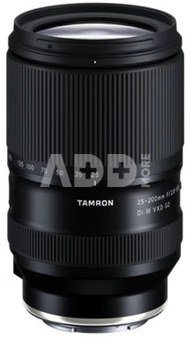
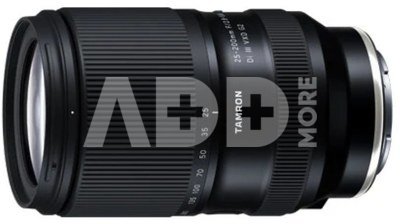
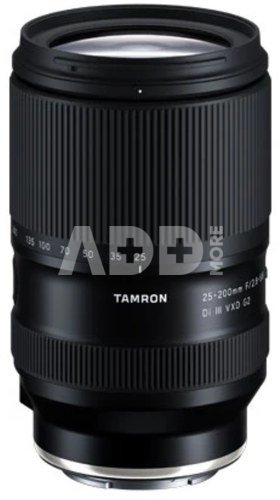
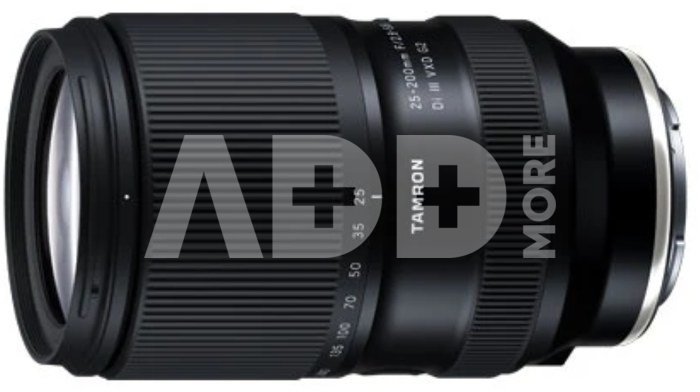
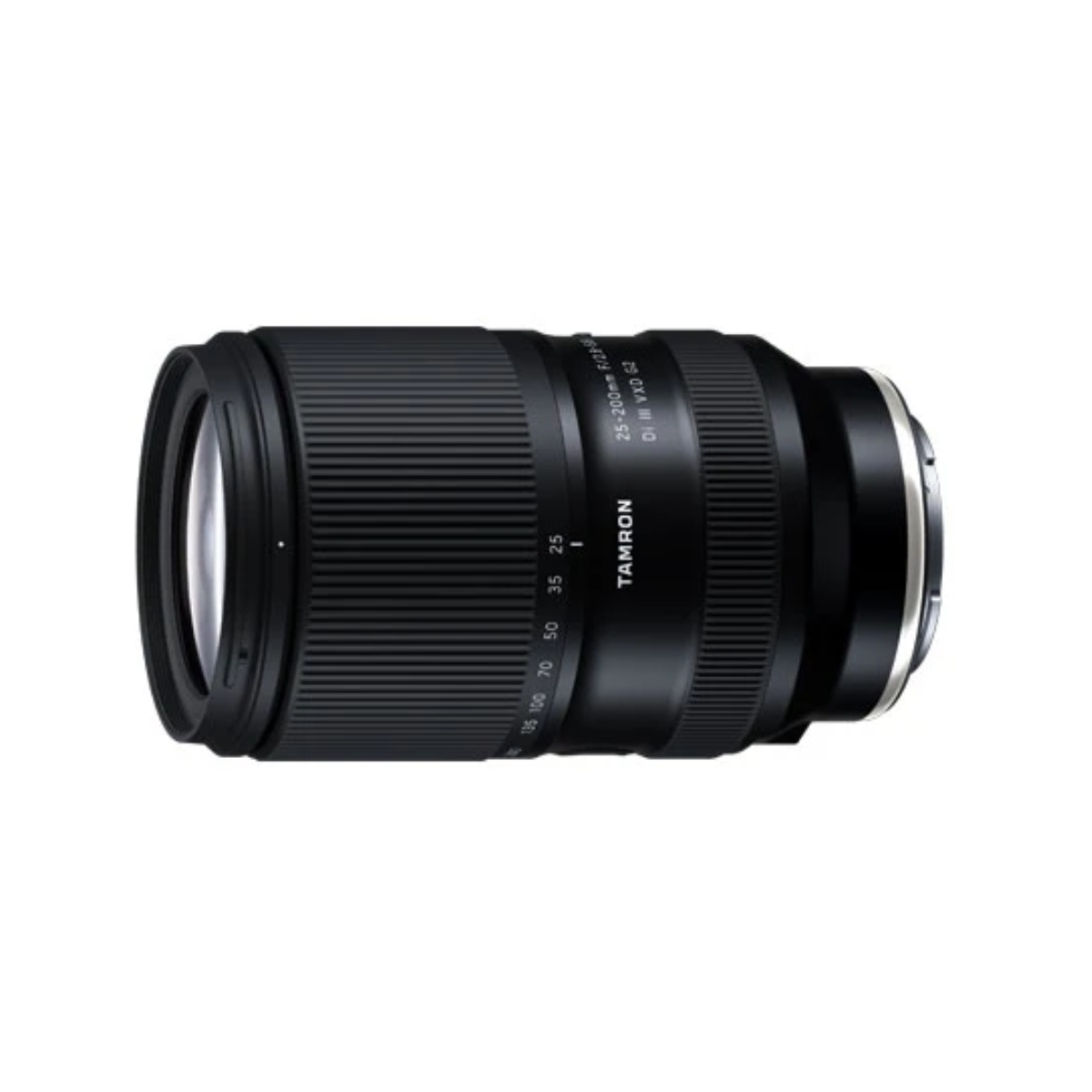
Tamron 25–200mm f/2.8–5.6 Di III VXD G2 Sony E - an all-in-one zoom lens for Sony E-mount full-frame mirrorless cameras. The TAMRON 25-200mm F/2.8-5.6 Di III VXD G2 (Model A075) is the successor to the highly acclaimed 28-200mm F/2.8-5.6 Di III RXD (Model A071), reborn as an advanced 2nd-generation “G2” model. As the originator of modern all-in-one zoom lenses, TAMRON celebrates its 75th anniversary with this new cutting-edge lens. This lens offers improved image quality and faster, more precise autofocus powered by TAMRON's VXD (Voice-coil eXtreme-torque Drive) linear motor focus mechanism. With a maximum magnification ratio of 1:1.9 at the 25mm wide end, the lens also provides half-macro shooting. Combining portability with uncompromising performance, this next-generation all-in-one zoom lens supports creative expression for everyone from beginners to professionals. Experience the full potential of an all-in-one zoom, reimagined.
A NEW GENERATION OF ALL-IN-ONE ZOOM
The Tamron 25–200mm F/2.8–5.6 Di III VXD G2 (Model A075) marks the evolution of Tamron’s renowned all-in-one zoom lens concept. As the successor to the popular 28–200mm F/2.8–5.6 Di III RXD (Model A071), this next-generation “G2” version refines the formula with enhanced optical performance, faster autofocus, and an even wider field of view at the short end, expanding from 28mm down to 25mm while still maintaining the long 200mm telephoto reach.
COMPACT DESIGN WITH EXPANDED POSSIBILITIES
Despite its broad focal range, the G2 lens remains compact, lightweight, and highly portable, making it ideal for travel, street, and everyday photography. Tamron has optimized the design to deliver uncompromising performance without sacrificing portability, making it a versatile tool for photographers who prefer a single-lens solution.
CUTTING-EDGE AUTOFOCUS WITH VXD TECHNOLOGY
At the heart of the G2 model lies TAMRON’s VXD (Voice-coil eXtreme-torque Drive) linear motor focus mechanism. This high-speed, high-precision AF system delivers remarkably fast, accurate, and quiet focusing, making it suitable for both still photography and video recording. Users can expect smooth subject tracking, sharp results, and excellent performance across the entire zoom range.
WIDE-END MACRO CAPABILITY
The Tamron 25–200mm G2 isn’t just about zoom versatility—it also offers impressive close-up performance. At the 25mm wide end, it achieves a maximum magnification ratio of 1:1.9, enabling half-macro shooting. This feature allows photographers to capture striking details, textures, and creative perspectives without switching to a dedicated macro lens.
ADVANCED OPTICAL PERFORMANCE
The lens design incorporates specialized glass elements to minimize aberrations and enhance sharpness, ensuring high image quality from corner to corner. Tamron’s advanced coatings reduce ghosting and flare, delivering vivid colors and strong contrast even in challenging lighting conditions. The combination of refined optics and versatile focal length makes this lens capable of handling landscapes, portraits, close-ups, and telephoto shots with equal confidence.
BUILT FOR MODERN CREATIVITY
From beginners discovering their style to professionals seeking flexibility, the Tamron 25–200mm F/2.8–5.6 Di III VXD G2 provides the creative freedom of multiple lenses in a single compact body. Whether shooting wide-angle cityscapes, intimate portraits, or distant subjects at full telephoto, this all-in-one zoom adapts to any situation.
FEATURES
- Advanced 2nd-Generation All-in-One Zoom — The 25-200mm F2.8-5.6 G2.
- Compact All-in-One Zoom Lens Excels at Everything from Everyday Moments to Expressing Your Creativity.
- Exceptional Image Quality — Captures Every Detail.
- Fast, Precise VXD Autofocus — Great for Capturing Sports and Pets in Motion.
1. How to choose the right lens for a mirrorless camera?
When choosing the right lens for a mirrorless camera, it is important to consider your photography needs and style. First, decide on the resolution and focusing distance you require. For portraits, lenses with a wide aperture, such as a 50mm f/1.8, are often preferred. If you enjoy landscapes, go for a wide-angle lens (e.g., 24mm). To capture distant objects, telephoto lenses (e.g., 70-200mm) are useful. Another important factor is the lens’s light-gathering ability, which affects performance in low-light conditions. A stabilization system can also be important, especially for longer lenses. It’s important to evaluate the build quality of the lens and the manufacturer's reputation. Try out several lenses and consider your future needs to choose the right and long-lasting investment in your photography.
2. Are all lenses compatible with all mirrorless cameras?
Not all lenses are universal for all mirrorless cameras. Different manufacturers may have different mounts, so it is important to check the lens compatibility with your camera. For example, lenses for Canon, Nikon, Sony, and other manufacturers' mirrorless cameras may not be interchangeable without adapters. It is also important to consider the sensor size. APS-C lenses may be disproportionately large for full-frame cameras. Before purchasing a lens, it is advisable to check the manufacturer's compatibility chart and consider the specific requirements of your camera. Adapters can allow the use of third-party lenses, but there may be some loss in functionality or quality.
The website uses cookies, which help you ensure quality of service. Continuing browsing, you agree with fotoaparatas.lt cookies policy.Agree


















Reviews
0 average rating (0 votes)