Samyang AF 12mm F2.0 (Fuji X)
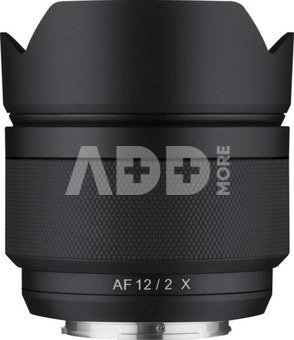
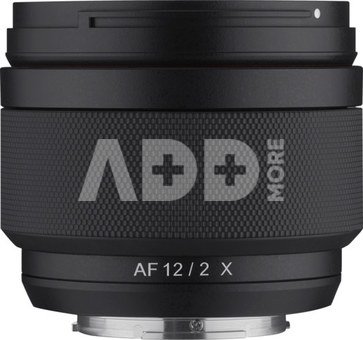
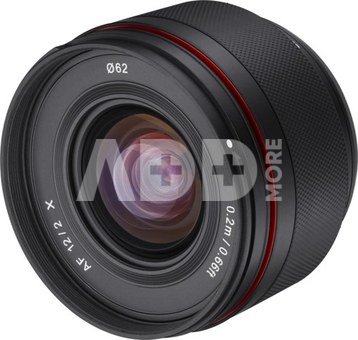
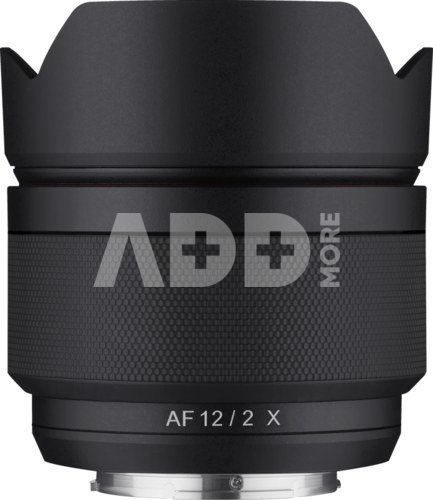
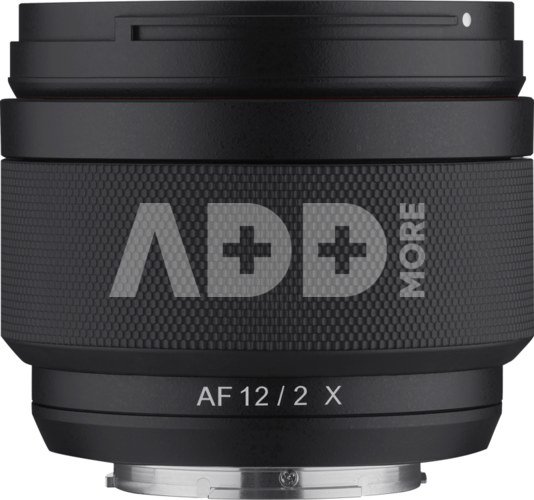
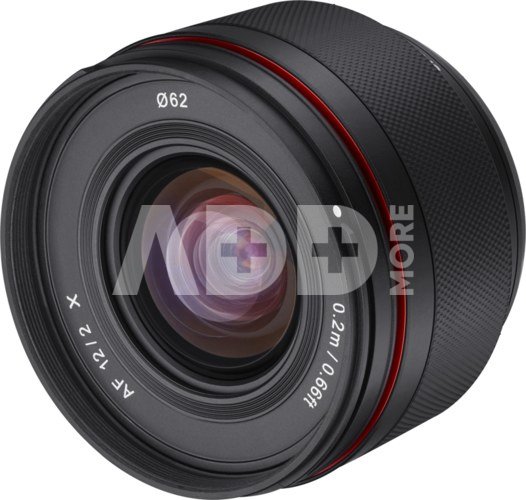
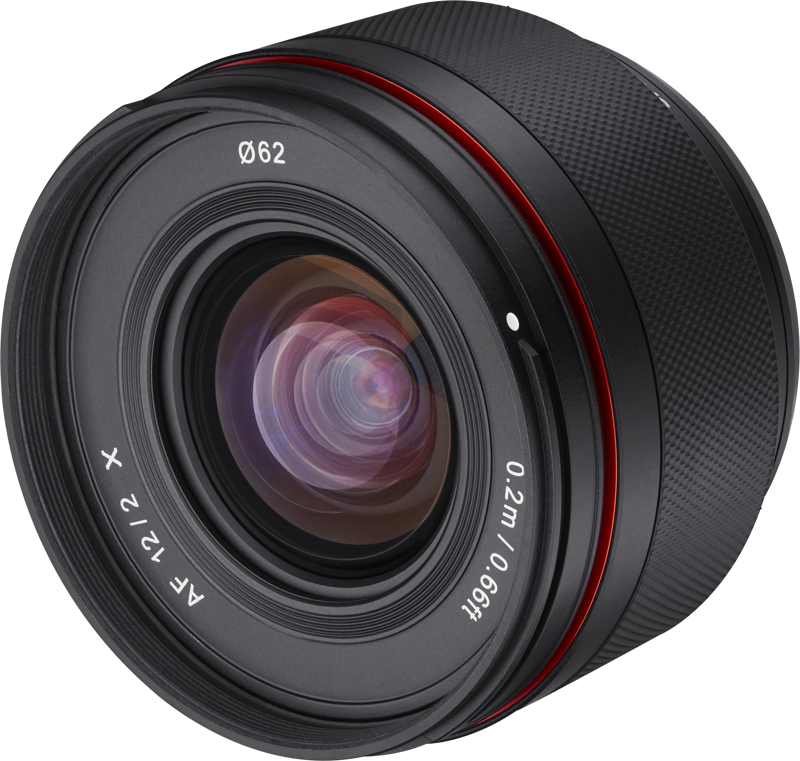
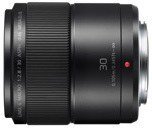
Šis 12 mm objektyvas sveria tik 212 g ir yra tik 59,2 mm ilgio, todėl puikiai suderina nešiojamumą ir puikų veikimą bei puikiai dera prie plono "Fujifilm" fotoaparatų dizaino. Korpusas yra visiškai metalinis, o objektyvas užsandarintas, kad jį būtų galima naudoti net atšiauriomis oro sąlygomis.
Objektyvo konstrukciją sudaro 12 elementų 10 grupių su 5 specialiais stiklais ( 1 H-ASP, 1 ASP ir 3 ED); trys ypač mažos sklaidos elementai ir du asferiniai ( H-ASP ir ASP) elementai buvo įtraukti į optinę konstrukciją, kad būtų sumažintos chromatinės aberacijos ir iškraipymai, siekiant išgauti ryškesnius vaizdus. Dėl optinės konstrukcijos objektyvas užtikrina puikią vaizdo kokybę nuo centro iki kadro kraštų, net ir esant maksimaliai f/2,0 diafragmai. UMC (angl. Ultra Multi Coating) danga padengiami objektyvo elementai, siekiant sumažinti paviršiaus atspindžius, išvengti objektyvo blyksnių ir vaiduoklių, užtikrinti geresnį šviesos pralaidumą ir didesnį kontrastą.
Pagrindinės specifikacijos
Linijinis STM automatinio fokusavimo variklis užtikrina greitą ir tylų fokusavimą
Puikios optikos savybės
Ekvivalentiškas 18 mm objektyvas 35 mm viso kadro fotoaparate
Pažangi danga nuo nepalankių oro sąlygų
Typ of Sensor
APS-C
Image stabilization
Nėra
Delivery time
5-10 w.d.
Discuss with a consultant in Kaunas
We don't have
Klaipėda Address: Birželio 23-iosios g. 23g Working hours: I-V 09:00 - 18:00 VI-VII not working Phone: +370 674 59488
Discuss with a consultant in Klaipėda
We don't have
Klaipėda Address: Taikos pr. 17 Working hours: I-V 10:00 - 19:00 VI 10:00 - 14:00 VII not working Phone: +370 604 43972
1. How to choose the right lens for a mirrorless camera?
When choosing the right lens for a mirrorless camera, it is important to consider your photography needs and style. First, decide on the resolution and focusing distance you require. For portraits, lenses with a wide aperture, such as a 50mm f/1.8, are often preferred. If you enjoy landscapes, go for a wide-angle lens (e.g., 24mm). To capture distant objects, telephoto lenses (e.g., 70-200mm) are useful. Another important factor is the lens’s light-gathering ability, which affects performance in low-light conditions. A stabilization system can also be important, especially for longer lenses. It’s important to evaluate the build quality of the lens and the manufacturer's reputation. Try out several lenses and consider your future needs to choose the right and long-lasting investment in your photography.
2. Are all lenses compatible with all mirrorless cameras?
Not all lenses are universal for all mirrorless cameras. Different manufacturers may have different mounts, so it is important to check the lens compatibility with your camera. For example, lenses for Canon, Nikon, Sony, and other manufacturers' mirrorless cameras may not be interchangeable without adapters. It is also important to consider the sensor size. APS-C lenses may be disproportionately large for full-frame cameras. Before purchasing a lens, it is advisable to check the manufacturer's compatibility chart and consider the specific requirements of your camera. Adapters can allow the use of third-party lenses, but there may be some loss in functionality or quality.

















Reviews
0 average rating (0 votes)