Panasonic Lumix G Vario 14-140mm F3.5-5.6 II ASPH Power OIS
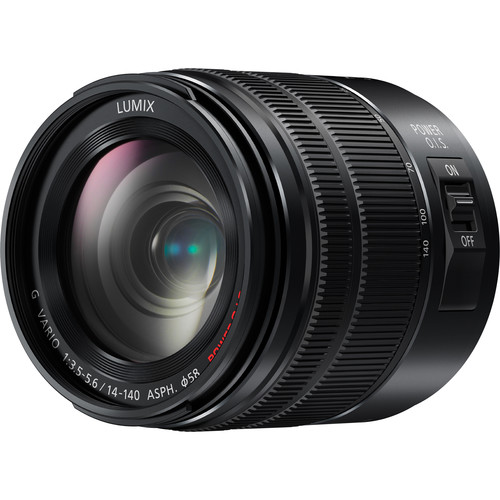
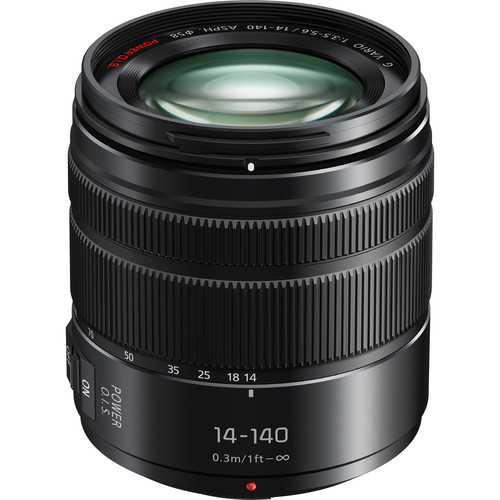
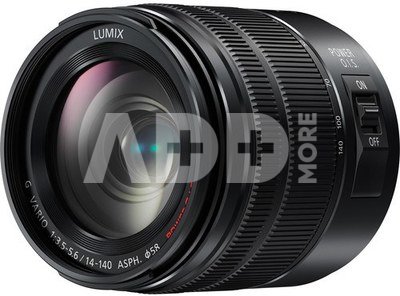
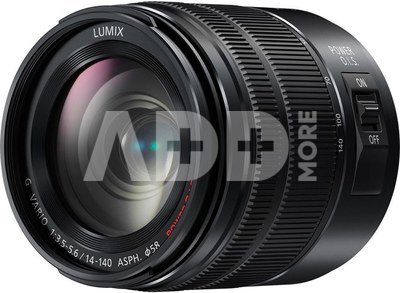
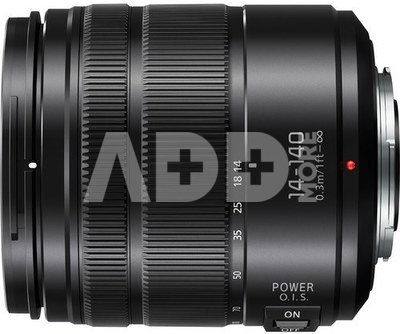
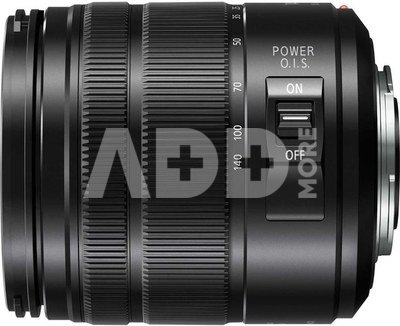
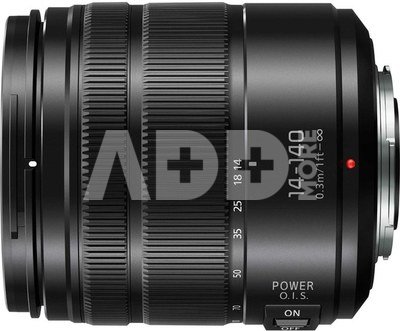
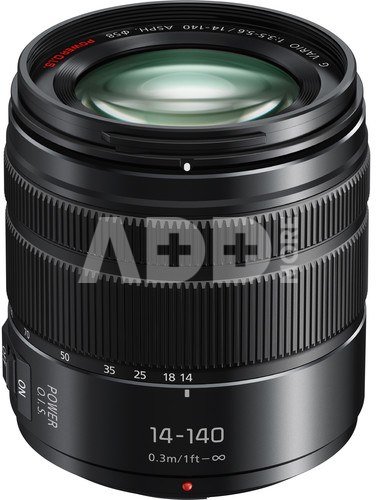
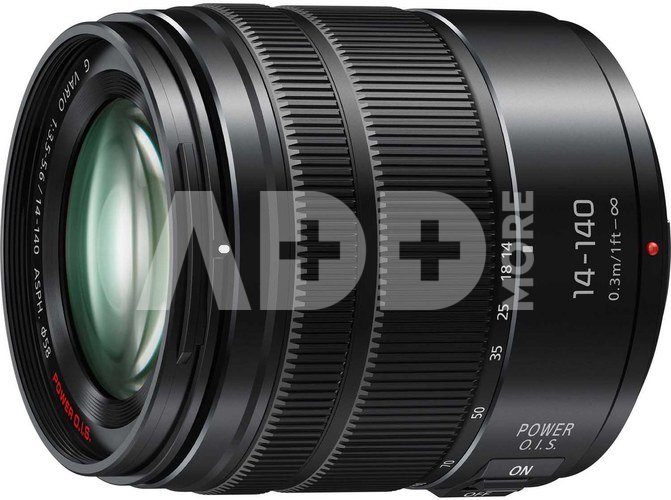
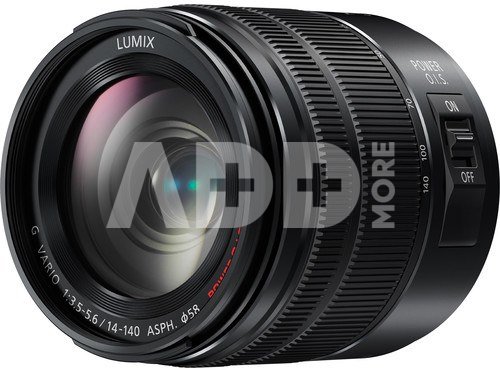
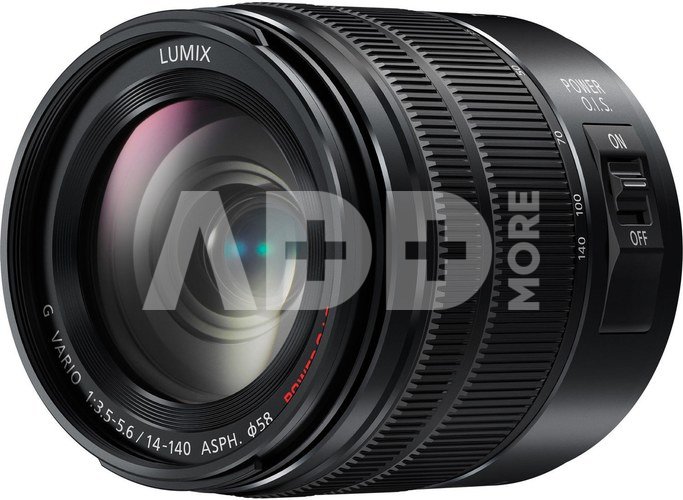
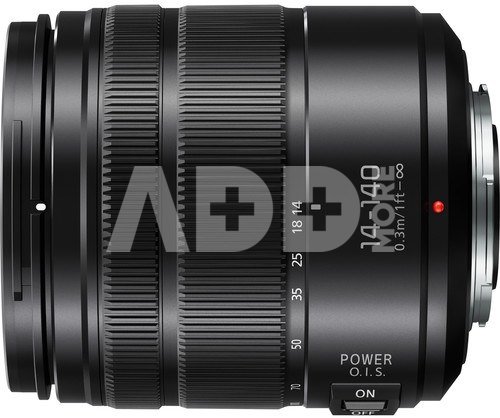
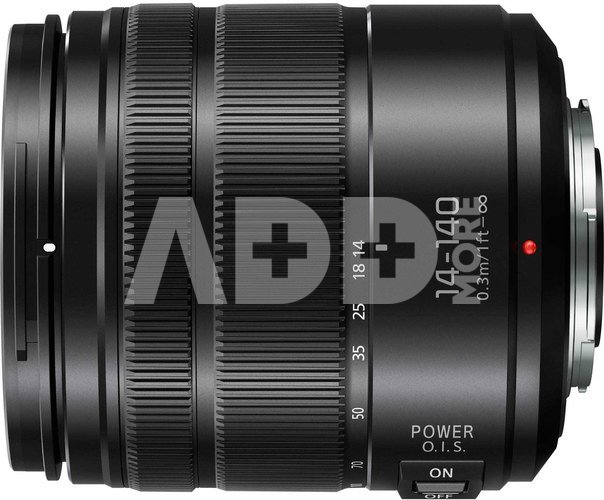
Panasonic Lumix G Vario 14-140mm F3.5-5.6 II ASPH Power OIS. Complying with the Micro Four Thirds System standard, the Panasonic LUMIX G Vario 14-140mm f/3.5-5.6 II Asph. Power O.I.S. offers a wide and long zoom range of 14-140mm (35mm camera equivalent: 28-280mm) to suit a large variety of shooting situations yet keeping its profile stylishly compact and lightweight.The lens is weather sealed to withstand moisture and dust. The fast and virtually silent autofocus works great for photography or filming in environments where you don't want to disturb. Thanks to its compact and lightweight design and versatile focal length it's ideal for travel photography.
FEATURES
- Designed for Micro Four Thirds mirrorless cameras, this lens provides a 28-280mm equivalent focal length range to cover wide-angle to telephoto perspectives.
- Three aspherical elements and two extra-low dispersion elements combine to minimize spherical and chromatic aberrations, as well as distortion, throughout the zoom range for increased clarity and sharpness.
- Multi-coated elements help to suppress lens flare and ghosting for greater contrast and color accuracy.
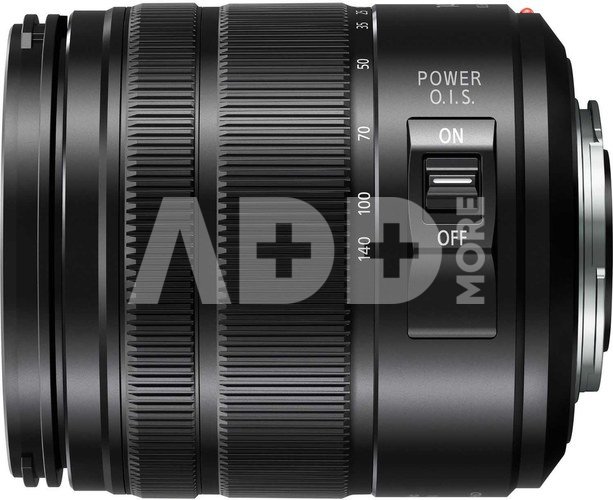
- POWER O.I.S. compensates for camera shake in order to realize sharper photos and videos when shooting handheld.
- Stepping motor provides smooth and near-silent autofocus that pairs with an inner focusing design for quick performance. The AF system is also compatible with Lumix cameras' high-speed contrast-detection systems for focusing speeds up to 240 fps.
- Splash and dust-resistant design benefits working in inclement weather conditions.
- Rounded seven-blade diaphragm produces a smooth out-of-focus quality when working with shallow depth of field techniques.
SPECIFICATIONS
Maximum Aperture: F3.5-5.6
Minimum Aperture: F22
Lens Mount: Micro Four Thirds
Lens Format Coverage: Micro Four Thirds
Angle of View: 75° to 8.8°
Minimum Focus Distance: 30 cm
Maximum Magnification: 0.25x
Optical Design: 14 Elements in 12 Groups
Diaphragm Blades: 7, Rounded
Focus Type: Autofocus
Image Stabilization: Yes
Filter Size: 58 mm (Front)
Dimensions (diameter x length): 67 x 75 mm
Length at Maximum Extension: 119 mm
Weight: 265 g
Typ of Sensor
Micro Four Thirds
Focal length (wide)
14 mm
Focal length (tele)
140 mm
Discuss with a consultant in Kaunas
We don't have
Klaipėda Address: Birželio 23-iosios g. 23g Working hours: I-V 09:00 - 18:00 VI-VII not working Phone: +370 674 59488
Discuss with a consultant in Klaipėda
We don't have
Klaipėda Address: Taikos pr. 17 Working hours: I-V 10:00 - 19:00 VI 10:00 - 14:00 VII not working Phone: +370 604 43972
1. How to choose the right lens for a mirrorless camera?
When choosing the right lens for a mirrorless camera, it is important to consider your photography needs and style. First, decide on the resolution and focusing distance you require. For portraits, lenses with a wide aperture, such as a 50mm f/1.8, are often preferred. If you enjoy landscapes, go for a wide-angle lens (e.g., 24mm). To capture distant objects, telephoto lenses (e.g., 70-200mm) are useful. Another important factor is the lens’s light-gathering ability, which affects performance in low-light conditions. A stabilization system can also be important, especially for longer lenses. It’s important to evaluate the build quality of the lens and the manufacturer's reputation. Try out several lenses and consider your future needs to choose the right and long-lasting investment in your photography.
2. Are all lenses compatible with all mirrorless cameras?
Not all lenses are universal for all mirrorless cameras. Different manufacturers may have different mounts, so it is important to check the lens compatibility with your camera. For example, lenses for Canon, Nikon, Sony, and other manufacturers' mirrorless cameras may not be interchangeable without adapters. It is also important to consider the sensor size. APS-C lenses may be disproportionately large for full-frame cameras. Before purchasing a lens, it is advisable to check the manufacturer's compatibility chart and consider the specific requirements of your camera. Adapters can allow the use of third-party lenses, but there may be some loss in functionality or quality.
















Reviews
0 average rating (0 votes)