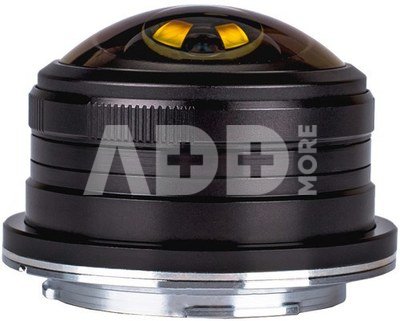
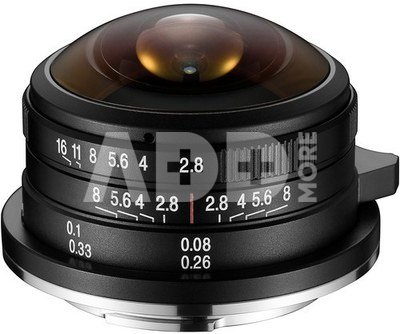
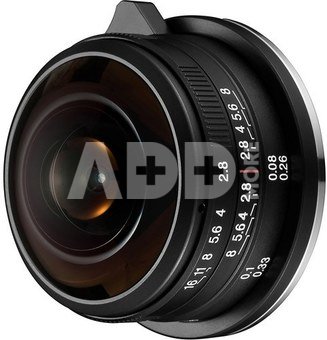
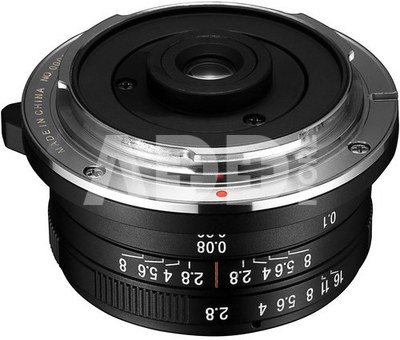
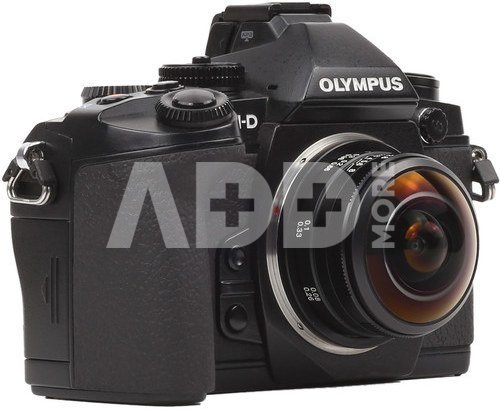
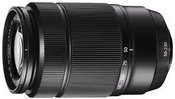
Laowa 4mm f/2,8 Fisheye for Micro 4/3 MFT
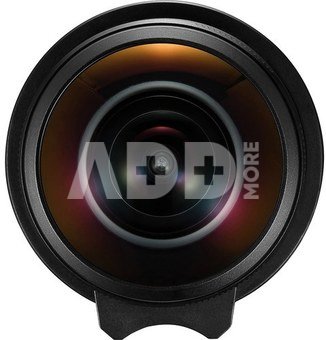
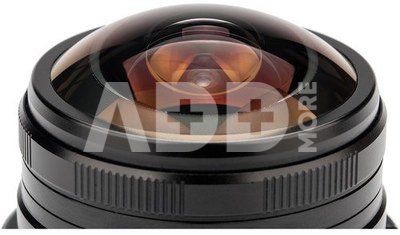
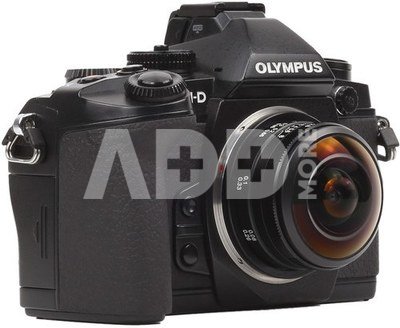
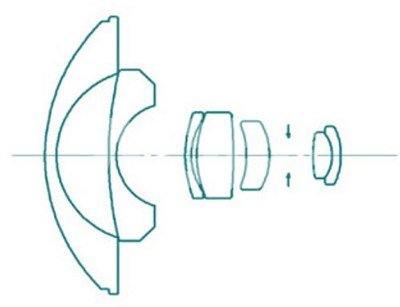
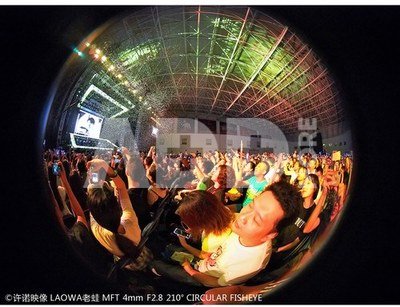
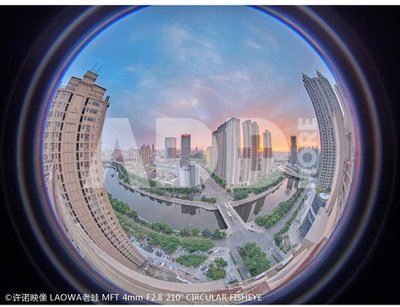
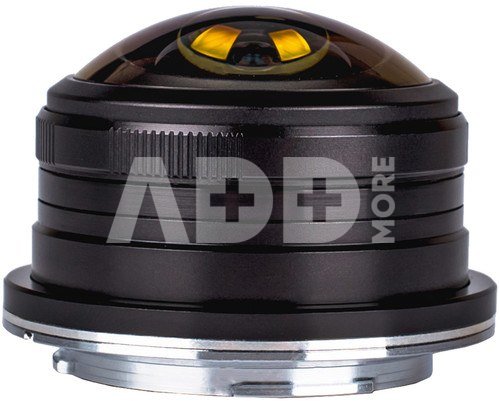
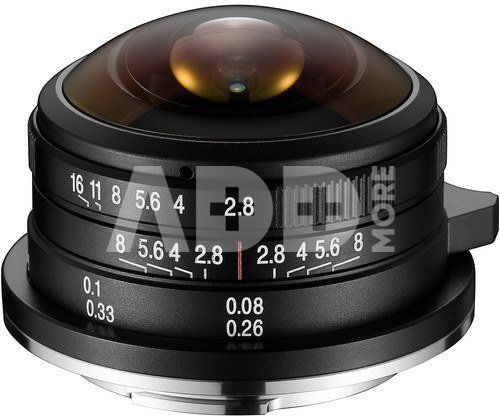
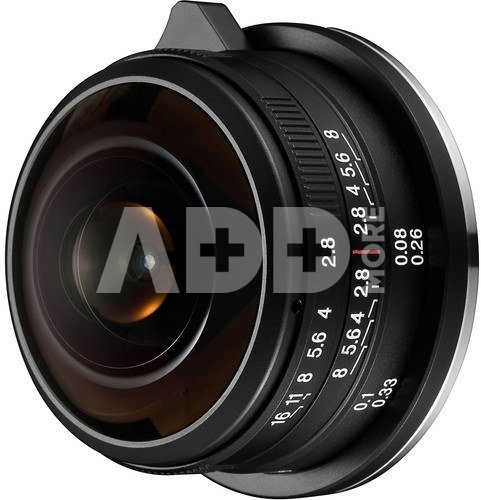
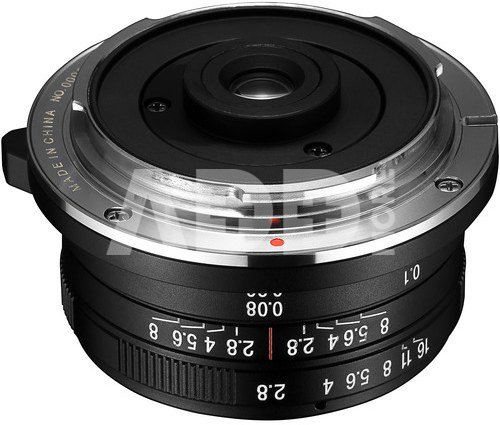
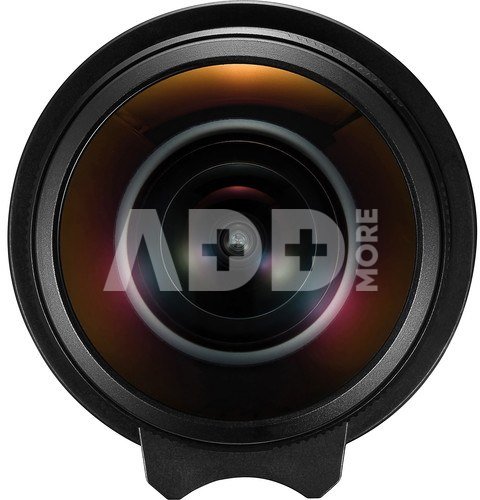
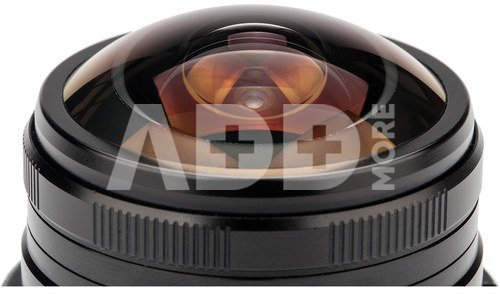
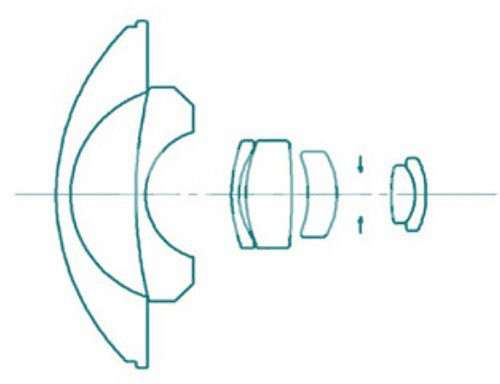
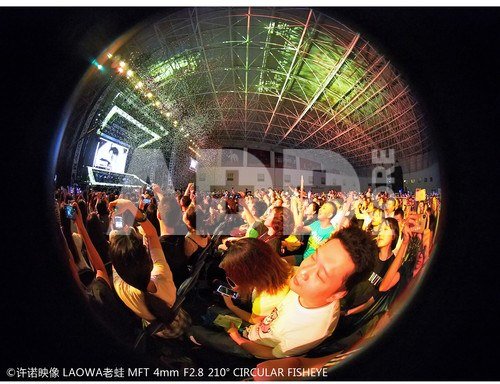
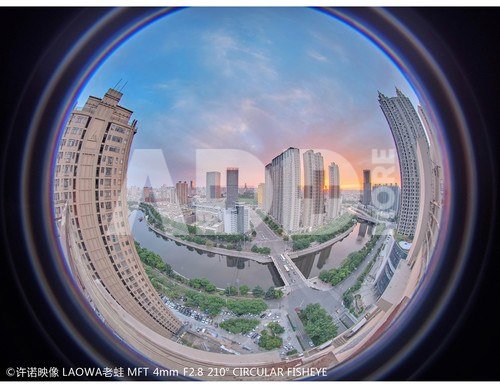
Photographers can create a 360° full panorama image with a minimum of 2-3 shots. The lens weight only 4.8 oz (135 g) which makes it extremely portable and allows photographers to have creative shots anywhere, anytime. The lens can also be mounted on DJI Inspire X5 cameras for creating a unique perspective you have never seen before. 210° full featured lens that bring you a selfie-stick-free experience like never before. Picture this – you are lingering on a gorgeous mountain hill, sitting under an expansive blue sky. Why not seize this moment and share it in the first angle of view? Featuring a 210° angle of view, the Laowa circular fisheye lens let you capture more than what your eyes can see. Once again, use our Laowa lenses to create unique images with your craziest idea and enjoy this experimental perspective. © Steve Chan (DSI production) © Steve Chan (DSI production) © Matt Evans © Richard Wong © Ricardo Huang © Udom Sathanurukkul © Steve Chan (DSI production) © Matt Evans © Matt Evans © Richard Wong © Ricardo Huang © Udom Sathanurukkul As TINY as an egg, this creative lens has its place in your pocket. With only 135g, you can literally put it in your pocket and pull it out for some special shots at any time. The compact size and lightweight also make it perfect for various shooting set up such as selfies, vlog, skateboard shooting, 360° panorama, VR imaging, virtual tours or even fly with drones. Smarten up your aerial shots with an angle that no one else has ever seen. The only limit is your imagination! © Ricardo Huang © Dave Katague Avantgarde shots under low-light conditions. Despite its petite body, this lens features a fast maximum aperture at f/2.8. When more light gets in, photographers can enjoy higher flexibility in the creation of avant-garde, gimmicky shots even under low-light conditions. See how this lens makes a little twist on traditional astrophotography, adding extra fun to the starry night and nightscape shots. © Yasuhiro Toyama © Matt Evans © Matt Evans Focus as close as 8cm The 3.1″ (8cm) closest focus distance (object to the sensor) means that you can focus any objects at a finger away. It enables photographers to get really close to the subject and emphasize the details. The exaggerating angle of view will also provide alternatives to make fun of the amusing big-headed animals (including your friends). You may need to forget the rules of composition for one moment and take advantage of the extreme distortion to create an impactful image. © Richard Wong Huge depth of field Simply stop down the aperture to f/5.6 (or above), you can concentrate on your compositions without worrying about focusing! The huge depth of field can cover almost everything in the scene. © Ricardo Huang © Steve Chan (DSI production) Outstanding sharpness The image sharpness of the 4mm is incredible! The lens not just sharp at the centre, but also produce a clear image at the edge. This would be very useful when de-fishing the image or cropping out the center part for an ultra-wide angle shot. “A fisheye world” © Steve Chan (DSI Production) Vlogging in New Zealand © Richard Wong Extreme action footage © Simon Isaksson “Fisheye-lapse” © Macgver Liu Attributed to the ultra wide 210º FOV, you can easily create a full 360º panorama using a maximum of 2-3 images as opposed to shooting 6 images or more with conventional fisheye lenses. This lens is also particular good for VR photography and shooting virtual tour. Apart from the 360 degrees panorama, the spherical panorama is also possible with this tiny fisheye lens. You can start creating your own tiny planet. © ShenZhe(沈哲) © 遠飛 © ShaoWeiWei © ShenZhe(沈哲) © ShenZhe(沈哲) © ShenZhe(沈哲) © ShenZhe(沈哲) © ShenZhe(沈哲) © ShenZhe(沈哲) HFR HD crop Another good application of the 4mm is to use on Blackmagic Pocket Cinema Camera under HFR HD Crop mode. Due to the outstanding sharpness and ultra-wide 210° angle of view, the image still looks crispy after cropping the black area away. The HD crop successfully eliminates the black circle in the frame and transform the lens into a budget ultra-wide angle lens. © Daniel Fox De-Fishing Image You can also de-fish the images to get some ultra-wide angle shots. The sharpness of the 4mm helps to retain a clear image after the de-fishing process. © Matt Evans © Udom Sathanurukkul © Udom Sathanurukkul © Matt Evans © Udom Sathanurukkul © Udom Sathanurukkul Vertical or Horizontal crop Want something more special? Simply crops out the middle part to create an xpan style shot! © Matt Evans Name 4mm f/2.8 Fisheye Focal Length 4mm Max. Aperture f/2.8-16 Angle of View 210° Format Compatibility MFT Lens Structure 7 elements in 6 groups Aperture Blades 7 Min. Focusing Distance 80mm Max. Magnification 1 : 9 Focus Mode Manual Focus Dimensions 45.2 x 25.5 mm Weight 135g Mounts MFT / Fuji X / Sony E / Canon M MTF Optical Structure
Typ of Sensor
Micro FourThirds
Focal length Movie
4 mm
Image stabilization
Nėra
Discuss with a consultant in Kaunas
We don't have
Klaipėda Address: Birželio 23-iosios g. 23g Working hours: I-V 09:00 - 18:00 VI-VII not working Phone: +370 674 59488
Discuss with a consultant in Klaipėda
We don't have
Klaipėda Address: Taikos pr. 17 Working hours: I-V 10:00 - 19:00 VI 10:00 - 14:00 VII not working Phone: +370 604 43972
1. How to choose the right lens for a mirrorless camera?
When choosing the right lens for a mirrorless camera, it is important to consider your photography needs and style. First, decide on the resolution and focusing distance you require. For portraits, lenses with a wide aperture, such as a 50mm f/1.8, are often preferred. If you enjoy landscapes, go for a wide-angle lens (e.g., 24mm). To capture distant objects, telephoto lenses (e.g., 70-200mm) are useful. Another important factor is the lens’s light-gathering ability, which affects performance in low-light conditions. A stabilization system can also be important, especially for longer lenses. It’s important to evaluate the build quality of the lens and the manufacturer's reputation. Try out several lenses and consider your future needs to choose the right and long-lasting investment in your photography.
2. Are all lenses compatible with all mirrorless cameras?
Not all lenses are universal for all mirrorless cameras. Different manufacturers may have different mounts, so it is important to check the lens compatibility with your camera. For example, lenses for Canon, Nikon, Sony, and other manufacturers' mirrorless cameras may not be interchangeable without adapters. It is also important to consider the sensor size. APS-C lenses may be disproportionately large for full-frame cameras. Before purchasing a lens, it is advisable to check the manufacturer's compatibility chart and consider the specific requirements of your camera. Adapters can allow the use of third-party lenses, but there may be some loss in functionality or quality.
















Reviews
0 average rating (0 votes)