LAOWA 17mm F/1.8 for M4/3 MFT
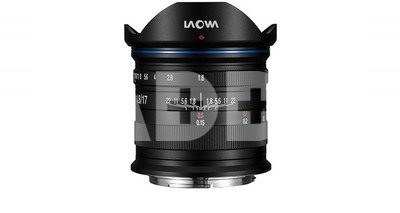
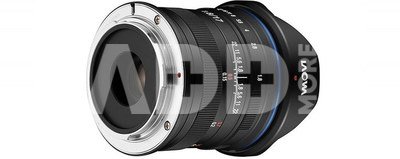
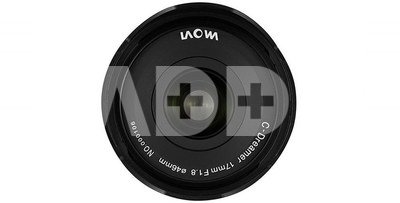
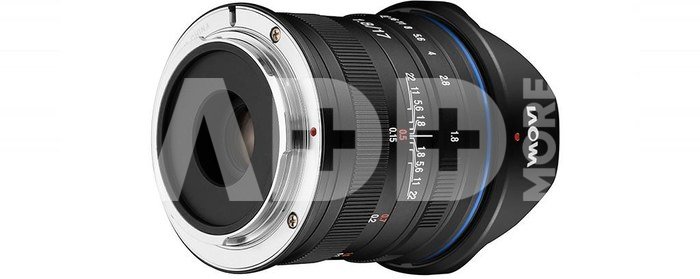
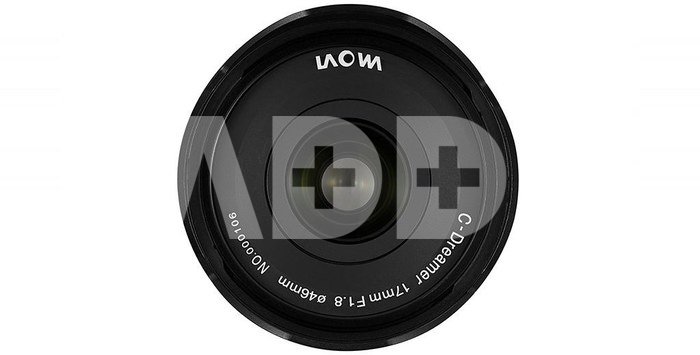
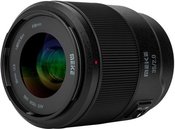
Laowa 17mm f/1.8 MFT is perfect for street, travel and everyday photography. Weighted 6oz (172g) only, this remarkably light, compact and agile lens serves as an exceptional complement to MFT cameras. It is a great tool that should be in every photographers’ kit bag. The wide angle of view(65°) pair with the large f/1.8 aperture can easily handle different lighting conditions. The lens houses nine elements in seven groups and has a seven-blade diaphragm to give a traditional Sunstar rendering in out-of-focus highlights. It has a minimum focus distance of 15cm and a 46mm filter thread. This compact prime lens is very bright and gives a beautiful bokeh, thanks to the 7 built-in aperture blades. In addition, the 9 lens elements in 7 groups ensure optimal sharpness and excellent colour reproduction. This makes it ideal for landscape and architectural photography. Thanks to the minimum focusing distance of 15 centimetres, it can even be used in the macro area. Features of the LAOWA 17mm F/1.8 for MFT: Lightweight lens for MFT system cameras Large aperture intensity with an aperture of F/1.8 Minimum focus distance of 15 centimeters Creates a beautiful bokeh Prevents as much ghosting or flare as possible Also suitable for video Has a manual focus Contains a 46mm filter thread Dimensions: 55 x 51 centimetres Weight: 172 grams Package contents Venus Optics LAOWA 17mm F/1.8 for MFT Lens cap The 17mm gives the equivalent to a 34mm angle of view on a full-frame sensor. Optimized for M43 system, the resulting images deliver stunning details and contrast across the entire frame, even at a wide-open aperture. The vibrant color rendering results in high saturation, leaving the photograph impressively pleasing straight out from the camera. © Richard Wong © Richard Wong © Richard Wong © Udom Sathanurukkul © Udom Sathanurukkul © Udom Sathanurukkul © Jimmy Chan An ultra-fast f/1.8 maximum aperture not only creates smooth bokeh with its rounded 7- blade diaphragm, but also offers great low-light performance. Despite the fast aperture, sharp, high-contrast images of distant subjects can be captured at any apertures. It is an Ideal lens for portraits, landscapes, travel and all-purpose imaging. © Richard Wong © Jimmy Chan © Udom Sathanurukkul © Udom Sathanurukkul © Udom Sathanurukkul Weighted 172g only, this remarkably light, compact and agile lens serves as an exceptional complement to MFT cameras. It is a great tool for still-life shots, street and travel photography. © Richard Wong © Jimmy Chan © Richard Wong © Richard Wong This lens has a 5.9”(15cm) minimum focusing distance that greatly benefits working with close-up subjects in detail. Photographer can make use of the “Mini-macro” feature to capture macro shots with shallow depth of field, creating smooth out-of-focus blurring and good subject separation from the background. © Micael Widell © Jimmy Chan © Jimmy Chan Attributed to the compact and light body, the 17mm f/1.8 lens is a portable and on-the- go option of videographers, both handheld and on gimbals. The high-performance optical design incorporate one Super ED (extra-low dispersion) glass element that delivers high- definition images with minimum ghosting and flare, broadening your shooting potential in challenging situations.
Discuss with a consultant in Kaunas
We don't have
Klaipėda Address: Birželio 23-iosios g. 23g Working hours: I-V 09:00 - 18:00 VI-VII not working Phone: +370 674 59488
Discuss with a consultant in Klaipėda
We don't have
Klaipėda Address: Taikos pr. 17 Working hours: I-V 10:00 - 19:00 VI 10:00 - 14:00 VII not working Phone: +370 604 43972
1. How to choose the right lens for a mirrorless camera?
When choosing the right lens for a mirrorless camera, it is important to consider your photography needs and style. First, decide on the resolution and focusing distance you require. For portraits, lenses with a wide aperture, such as a 50mm f/1.8, are often preferred. If you enjoy landscapes, go for a wide-angle lens (e.g., 24mm). To capture distant objects, telephoto lenses (e.g., 70-200mm) are useful. Another important factor is the lens’s light-gathering ability, which affects performance in low-light conditions. A stabilization system can also be important, especially for longer lenses. It’s important to evaluate the build quality of the lens and the manufacturer's reputation. Try out several lenses and consider your future needs to choose the right and long-lasting investment in your photography.
2. Are all lenses compatible with all mirrorless cameras?
Not all lenses are universal for all mirrorless cameras. Different manufacturers may have different mounts, so it is important to check the lens compatibility with your camera. For example, lenses for Canon, Nikon, Sony, and other manufacturers' mirrorless cameras may not be interchangeable without adapters. It is also important to consider the sensor size. APS-C lenses may be disproportionately large for full-frame cameras. Before purchasing a lens, it is advisable to check the manufacturer's compatibility chart and consider the specific requirements of your camera. Adapters can allow the use of third-party lenses, but there may be some loss in functionality or quality.


















Reviews
0 average rating (0 votes)