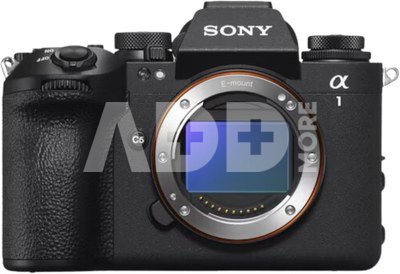
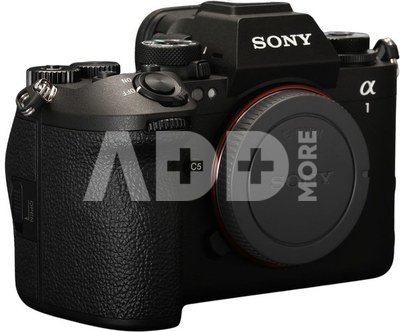
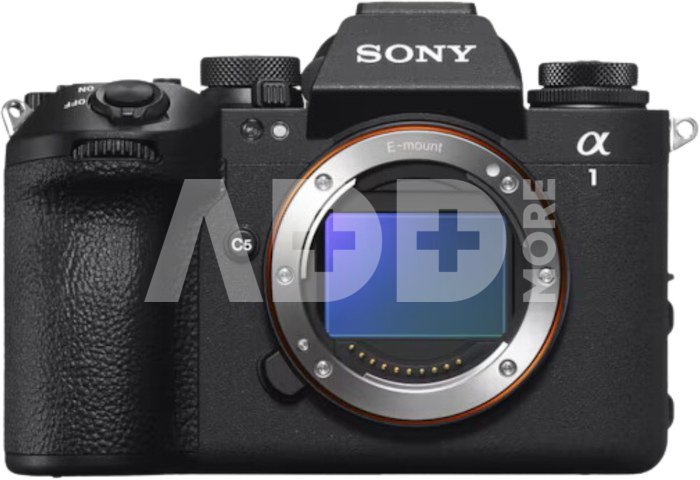
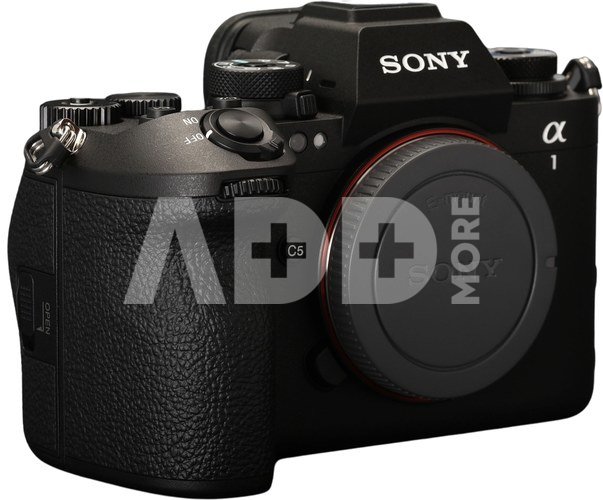
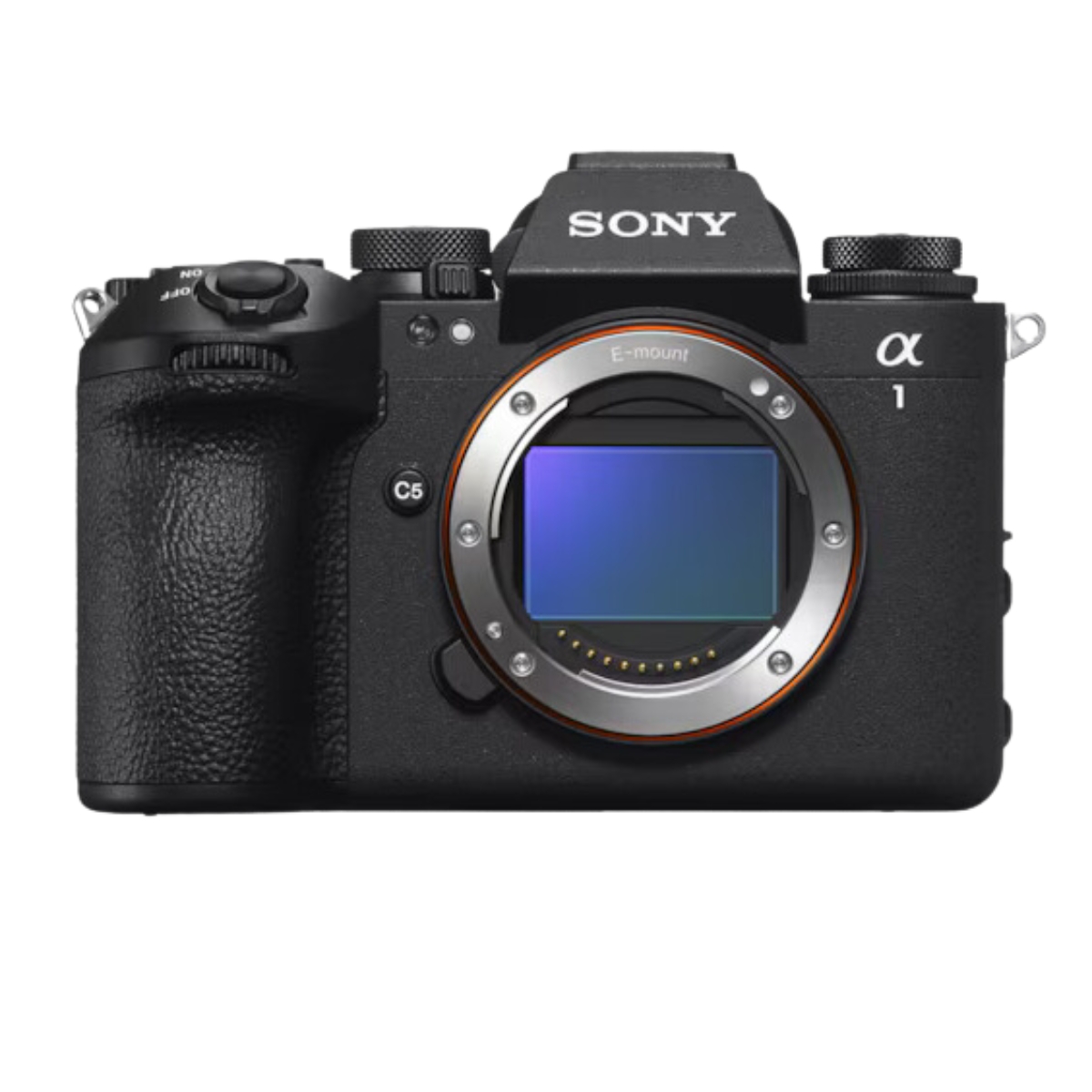
Sony Alpha 1 II - flagship for professionals. Sony Alpha 1 II gives users everything they need to achieve a higher capture success rate and more, including 50MP high resolution, AI-based subject recognition AF, high-speed continuous shooting, and an advanced workflow from capture to delivery that provides professionals with unrivalled efficiency and freedom.
A FUSION OF LEADING TECHNOLOGIES DELIVERS OVERHWELMING PERFORMANCE
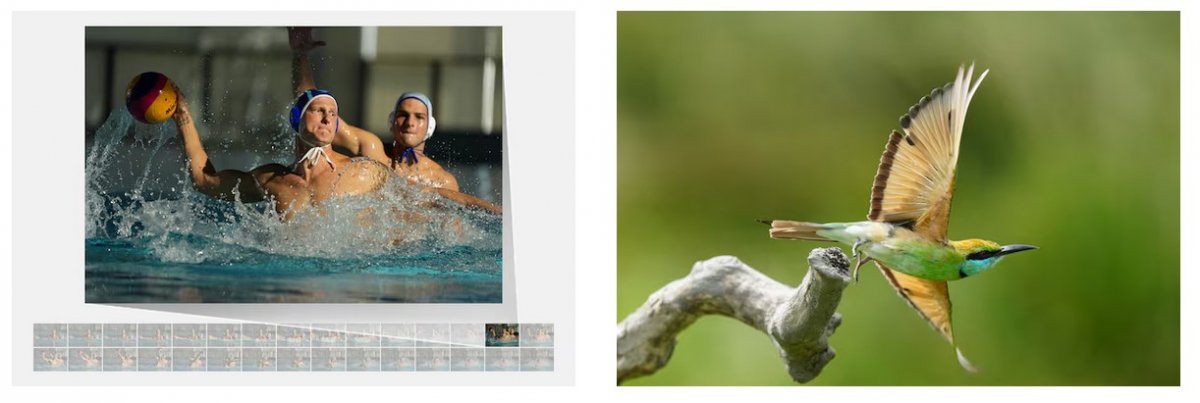
The massive volume of data from the approximately 50.1 effective megapixel full frame Exmor RS™ image sensor is processed in real time by Sony’s BIONZ XR™ image processing engine. An advanced AI processing unit applies high-level subject recognition to reliably recognise a wide range of subjects. These state-of-the-art technologies come together to make it easy to capture even the most challenging subjects in extraordinary resolution, with blackout-free viewing and full AF/AE tracking performance at up to 30 fps.
ADVANCED AI PROCESSING UNIT FOR highHIGH-LEVEL SUBJECT RECOGNITION
The α1 II features a dedicated AI processing unit that helps to recognise people more accurately based on human pose estimation, and also supports recognition of a wide range of subjects other than people, such as animals, vehicles and insects, with high accuracy. This results in a dramatic improvement in Real-time Recognition AF and Real-time Tracking capability, and higher overall AF performance.
HUMAN EYE RECOGNITION IMPROVED BY UP TO APPROXIMATELY 30%
Real-time Recognition AF has improved human eye recognition by approximately 30%, with human pose estimation improving recognition of subjects facing away from the camera, wearing sunglasses, or with the face obscured. Recognition of distant human subjects occupying only a small part of the frame has been notably improved, and subjects can be tracked better across occlusions.
A WIDE VARIETY OF SUBJECTS ACCURATELY RECOGNISED
A wider variety of subjects is now recognised for stills and movies, with a new [Auto] mode letting the camera select. Recognition of animals overall is improved by approximately 30%, with eyes of some small animals added, and the eyes, heads and faces of animals like dogs and cats recognised. Recognition of birds is improved by 50%.
AF TRACKING RESPONSE SETTABLE TO MATCH SUBJECT SPEED CHANGES
Fast Hybrid AF provides 759 phase-detection points for tenacious tracking and pinpoint focusing, now with adjustable tracking response speed, useful for example in bird photography, and in light levels down to EV-4.0 in AF-S mode.
FLEXIBLE FOCUS AREA SETTINGS
XL and XS focus area spot sizes are now available as well as L, M, and S. XS can be useful to avoid focusing on foreground objects such as branches. It is also possible to create a custom focus area of specified size and aspect ratio.
SELECTABLE RELEASE TIME LAG
Selectable release time lag modes are available via the [Release Lag] / [Start Display] menu. With blackout occurring on only the first image in a continuous burst, [Fastest Release/On] provides the shortest possible release time lag, while [Stable Release/On] minimises variations in release time lag making it easier to release the shutter at the intended moment. The default [Auto/Off] setting gives no blackout when shooting is started.
SELECTABLE RAW IMAGE SIZE AND QUALITY
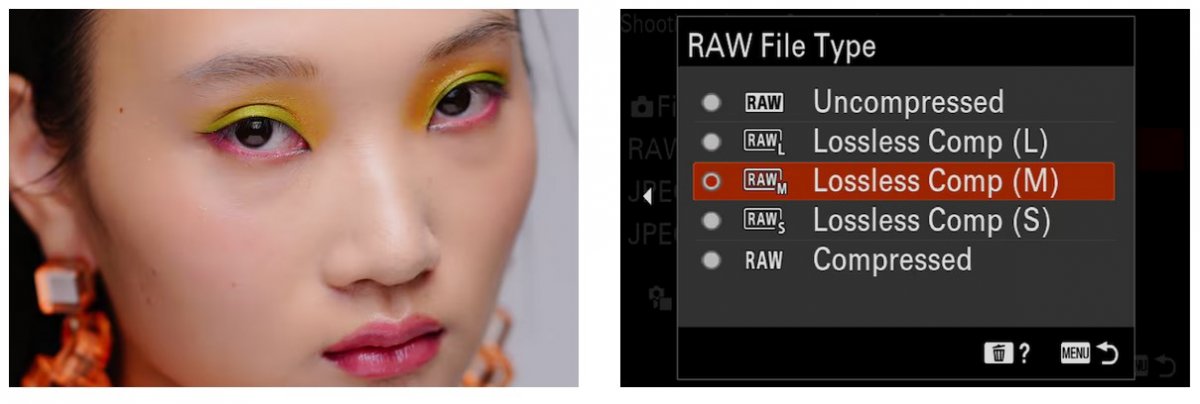
Compressed RAW images can be continuously shot at up to 30 fps. For easier handling, as well as L, Lossless Compressed RAW, JPEG and HEIF images are also available in M and S sizes with the same numbers of pixels whether shot in full-frame or APS-C mode, enabling seamless mode switching while maintaining resolution.
OPTICAL 5-AXIS IMAGE STABILISATION ACHIEVES 8.5-STEP PERFORMANCE AT THE CENTRE
A high-precision image stabilisation unit, advanced gyro sensors, and optimised algorithms detect and correct camera shake, for a groundbreaking 8.5-step effect at the centre and 7.0-step at the periphery, and capture of fine details even when shooting handheld. Synchronisation with compatible lenses provides further blur control even at telephoto focal lengths.
REAL-TIME RECOGNITION AF FOR MOVIES
Real-time Recognition AF utilises advanced AI-based human pose estimation technology that recognises and tracks not just eyes, but body and head position for human subjects with high precision. The range of subjects recognised with AI assistance, for both movies and stills, has been expanded relative to the α1, and now includes birds in movies for example. Other subjects are acquired and tracked in real time by processing colour, pattern, and spatial data.
HIGH-RESOLUTION 8K /4K RECORDING FOR IMPRESSIVE REALISM
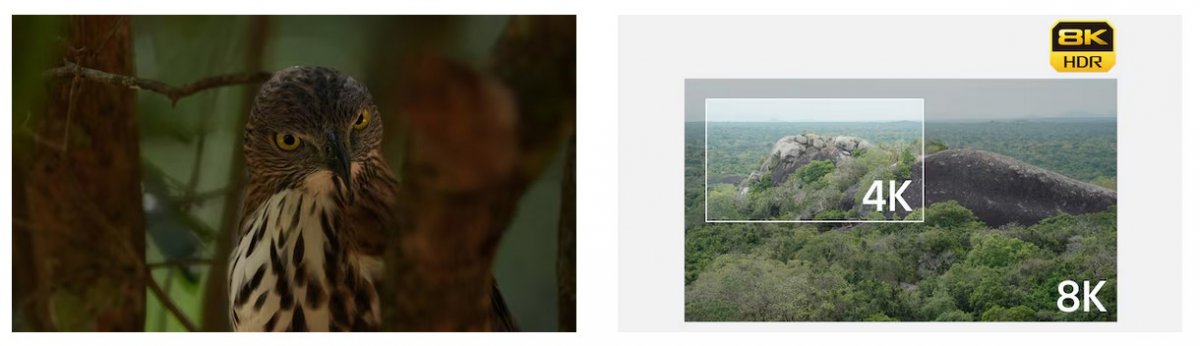
4K (3840 x 2160) movies can be cropped and edited from 8K source footage with overwhelming resolution from 8.6K oversampling. 8K 4:2:2 10-bit XAVC HS recording with optional Full HD proxy is available, as are 4K recording in XAVC HS, S, or S-I formats in full-frame, or Super 35mm oversampled from 5.8K with full pixel readout and no pixel binning. XAVC S-I allows recording at up to 600 Mbps for outstanding image quality.
HIGH FRAME RATE RECORDING AT UP TO 120p
4K can be recorded at up to 120p right in the camera. 4K footage can be played back in up to 5x slow motion. The Slow & Quick Motion (S&Q) mode makes it convenient to play recorded footage back at slow or high speed in the camera. Full HD footage recorded at 240 fps offers even greater range: up to 10x slow motion (24p) to create impressive sports movies, for example. The frame rate setup menu allows intuitive selection of frame rates.
SPECIFICATIONS
Lens mount: E-mount
Sensor type: 35mm full frame (35.9 x 24.0 mm), Exmor RS CMOS sensor
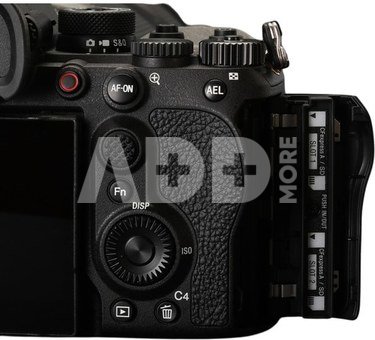
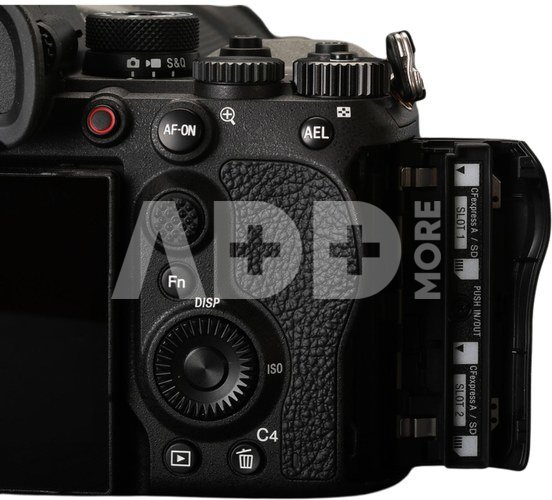
Memory card slot: SLOT1: Multi slot for SD (UHS-I/II compliant) memory card / CFexpress Type A card, SLOT2: Multi slot for SD (UHS-I/II compliant) memory card / CFexpress Type A card
Focus type: Fast Hybrid AF (phase-detection AF / contrast-detection AF)
1. Which mirrorless camera should I choose for better photo results?
Choosing the right mirrorless camera for better photo results depends on your individual needs and budget. The Sony Alpha a7 III is a popular choice, offering excellent dynamic range and efficient autofocus. The Canon EOS R6 also boasts high technical performance, including powerful image stabilisation. The Nikon Z6 II is another attractive choice with excellent dynamic range and high ISO sensitivity. It's important to consider the features of each model, the choice of lenses and the ability to suit your shooting style. It is recommended to read reviews and test equipment before buying, if possible.
2. What are the advantages of mirrorless cameras compared to DSLR cameras?
The advantages of mirrorless cameras over DSLR cameras include modern technology and lightness. Mirrorless cameras are more compact and lighter, making them more comfortable to carry. They often have a smaller body because they do not have a mirror system, which reduces the overall weight. The use of an electronic viewfinder allows the actual frame to be seen before the picture is taken, thus optimising composition and exposure. Mirrorless cameras have fast autofocus and some models may perform better in low light conditions. They also offer more creative options, including a range of filters and effects. The new generation of lenses offers improved performance and efficiency, contributing to higher quality photos. However, every photographer's needs are different, so it is important to consider your preferences carefully before choosing a camera.
The website uses cookies, which help you ensure quality of service. Continuing browsing, you agree with fotoaparatas.lt cookies policy.Agree

























Reviews
0 average rating (0 votes)