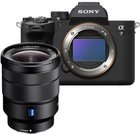
DescriptionSony A7V Body + Sony FE 16-35mm F2.8 GM II description
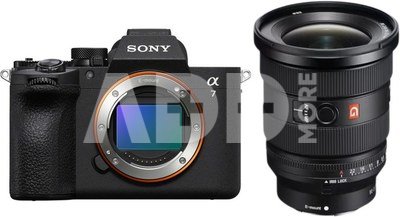
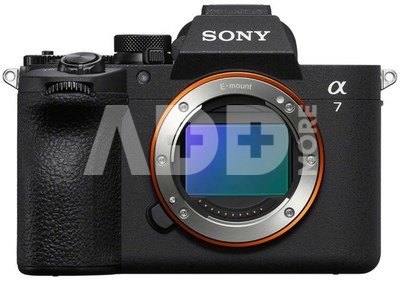
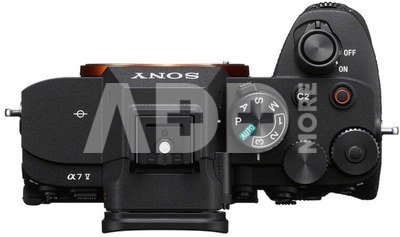
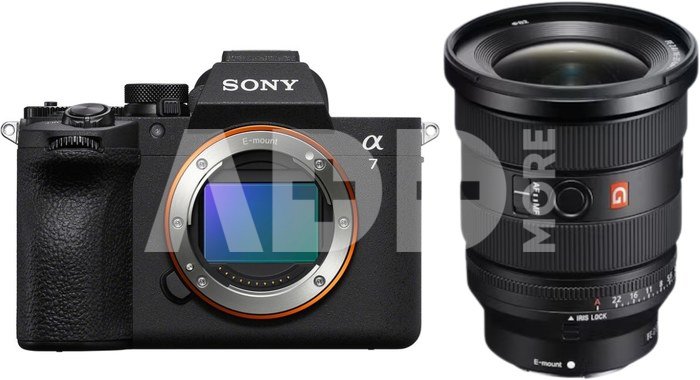
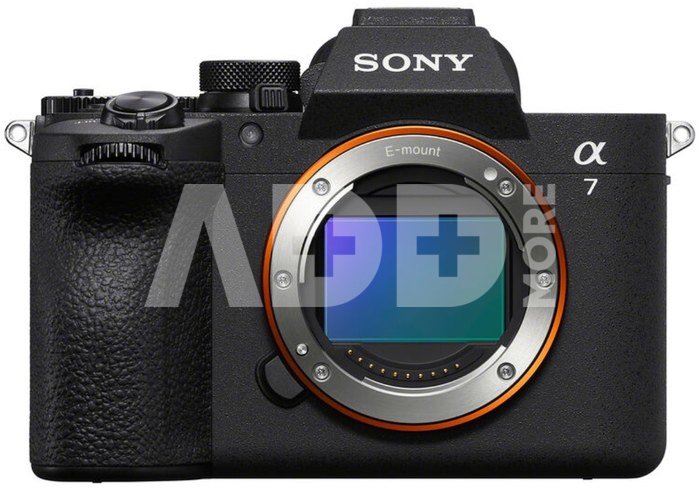
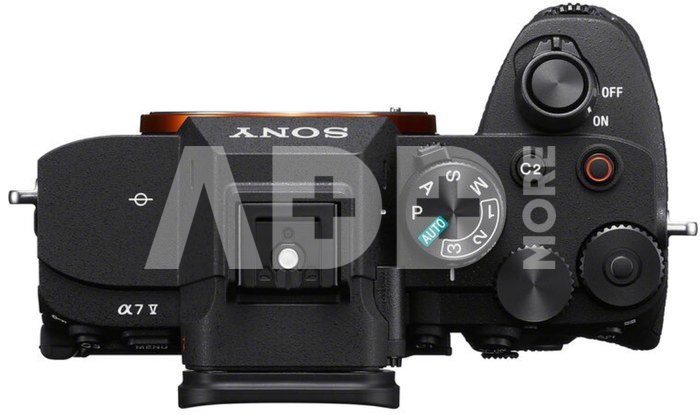
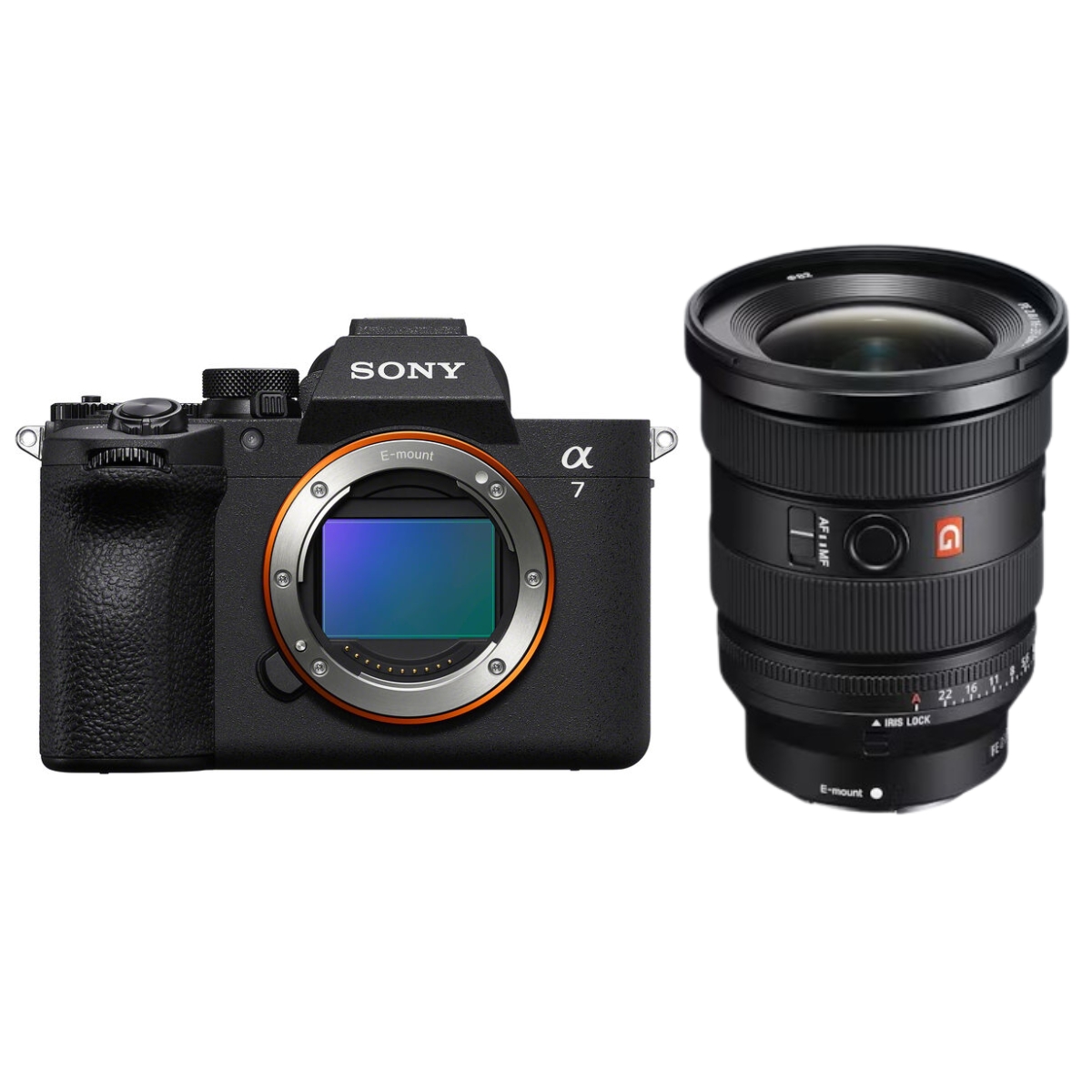
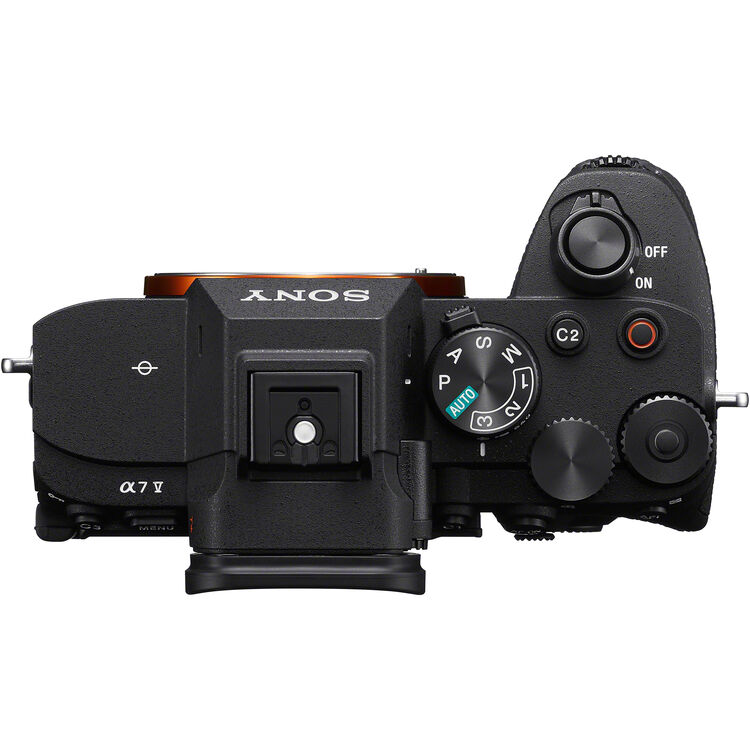
Sony A7V Body + Sony FE 16-35mm F2.8 GM II. Sony a7 V body - this fifth-generation full-frame mirrorless camera introduces a new 33MP partially-stacked CMOS sensor, the BIONZ XR2 processor with integrated AI, blackout-free 30fps continuous shooting (stills), 16 stops of dynamic range, and 4K120p video recording with dramatically improved heat management. The sensor is paired with a new "Bionz ZR2" processor, bringing Sony's most up-to-date autofocus system to the a7 line. While the previous camera had human and animal recognition, the a7 V gets the autofocus system found on most of Sony's other modern cameras, with support for recognizing six subject types, as well as a configurable 'Auto' mode. The Human / Face / Eye recognition is significantly upgraded from the previous camera, with the a7 V trained to recognize humans in all sorts of different positions, so that it continues to track the same person and re-finds their face faster, even if they are partially obscured.
NEW RAW FORMAT
In among the new features, Sony says there's a new, 'lightweight' Raw system. We weren't given any more information than this, and there isn't any third-party support for them, yet. The only thing we can say is that they end up being a similar size to Sony's old, damagingly lossy Raw format, but hopefully without the potential pitfalls.
AI-POWERED FEATURES
Apart from autofocus, the new processor allows for several other features that are based on complex algorithms created by machine learning. The first is Auto Framing: a video mode that crops in and then follows your subject around the frame. This lets you set up a wide-angle shot, then have the camera pan around the scene to make it look like you had a camera operator. The feature offers three levels of crop and includes options to show the wide shot first before punching in shortly after your subject enters the frame. There's also a framing stabilizer option that uses the digital video stabilization to not only move a crop within the sensor to counteract shake, but also to maintain your subject's position in the frame (either centrally or in a position you've defined). In both cases, the video is then upscaled to your chosen resolution.
IMAGE STABILIZATION IMPROVEMENTS
In-body image stabilization has received a substantial upgrade. The a7 V delivers 7.5 stops of stabilization at the sensor center and 6.5 stops at the periphery, compared to 5.5 stops on the a7 IV. This should make a meaningful difference for handheld shooting in low light and when using longer focal lengths.
VIDEO CAPABILITIES OF SONY a7 V
Video shooters gain access to 4K120p recording for the first time in the standard Alpha 7 line, but only in APS-C mode. The camera also offers 4K60p with 7K oversampling from full-pixel readout without binning, available in both full-frame and Super 35mm crop modes. A “4K angle of view Priority” setting can be toggled to maintain full-frame coverage at 4K60p. Perhaps more importantly for working videographers, Sony has dramatically improved thermal performance. At 25°C ambient temperature, the a7 V can record 4K60p XAVC S 150M 4:2:0 8-bit for approximately 90 minutes continuously. At 40°C, the camera still manages around 60 minutes, which represents a sixfold improvement over the a7 IV’s approximately 10 minutes at the same temperature. This addresses one of the most common complaints about hybrid mirrorless cameras. Additional video features include S-Cinetone for ready-to-use cinematic color, Auto-Framing for automatic composition adjustment, LUT import for monitoring preview, Dynamic Active stabilization, and flexible ISO/LUT import options. An integrated noise-reduction system handles both wind noise and constant background noise for the internal and external microphones.
Livestreaming capabilities have been upgraded to 4K30p UVC/UAC, doubling the resolution compared to the a7 IV’s 4K15p.
NEW 3.2” 2.1M-DOT DISPLAY, BETTER GRIP & NEXT-GEN CONNECTIVITY
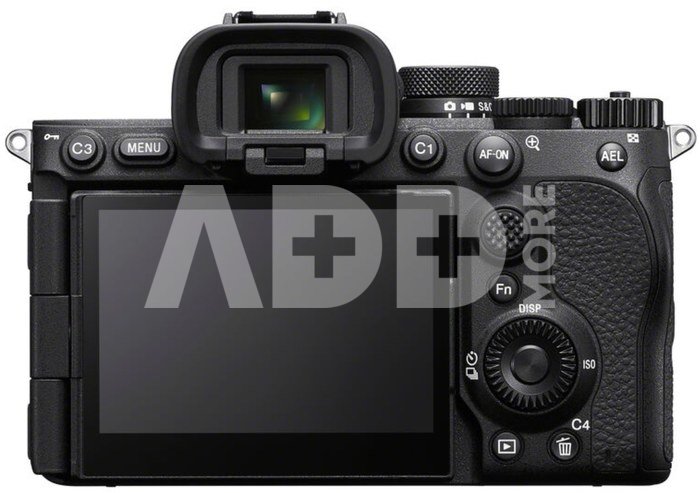
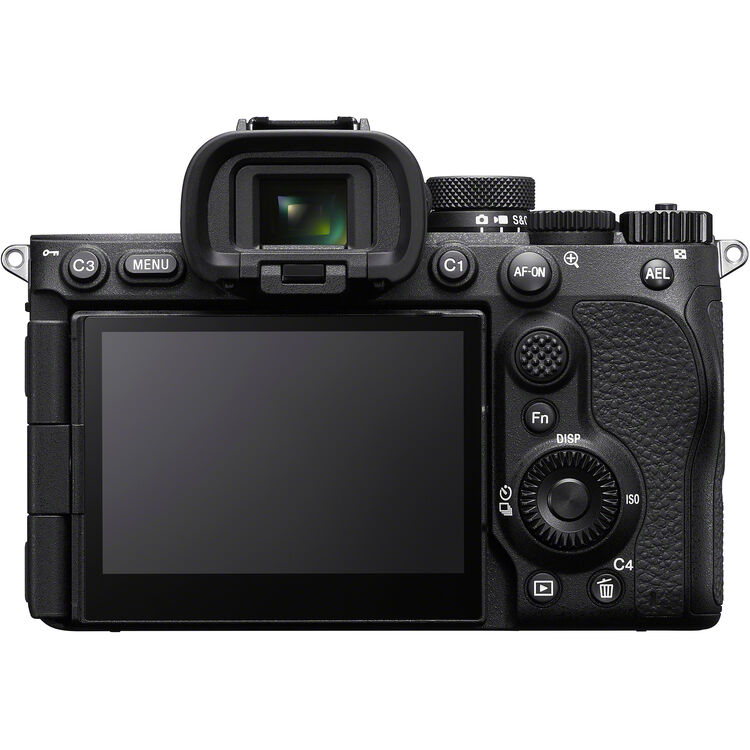
The rear LCD has been upgraded to a 3.2-inch 2.1 million-dot panel with 4-axis articulation, up from the 3.0-inch 1.037 million-dot vari-angle screen on the a7 IV. The grip has been improved for better ergonomics, and the shutter sound is now adjustable with seven levels (0-6). Connectivity receives significant attention. The a7 V features two USB-C ports: Port 1 offers USB 3.2 Gen2 speeds at 10Gbps for data transfer, while Port 2 provides USB 2.0 at 480Mbps for power supply and low-speed signals. This dual-port setup enables workflows like simultaneous streaming and power delivery, or file transfer while maintaining camera control. Wireless connectivity has been upgraded to support 6 GHz Wi-Fi (802.11ax) with 2×2 MIMO antennas, compared to the a7 IV’s 802.11ac on 2.4/5 GHz with a single antenna. This should significantly reduce transfer times for high-resolution video and RAW files.
EFFICIENT BATTERY
The a7 V uses the same NP-FZ100 battery as its predecessor but extracts more efficiency thanks to the BIONZ XR2 processor. Viewfinder shooting yields approximately 630 shots (up 21% from 520), while LCD monitor shooting reaches 750 shots (up 29% from 580). A new Low Brightness mode automatically dims the monitor when the camera has been idle, configurable from 2 to 20 seconds.
AI-POWERED RAW PROCESSING TAKES THE SONY A7 V TO THE NEXT LEVEL
Sony is introducing two AI-powered RAW stills processing features through Imaging Edge Desktop software. Composite RAW shooting, inherited from the a1 II, combines multiple exposures into a single high-quality RAW file, suited for landscapes and nighttime photography. New to the a7 V is Extended RAW processing, which uses neural networks to generate high-resolution images from a single input, making it suitable for fast-moving subjects like wildlife where multi-frame capture isn’t practical.
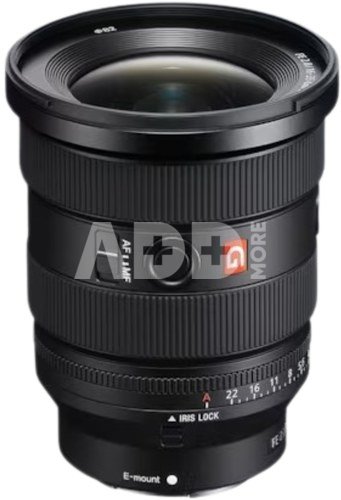
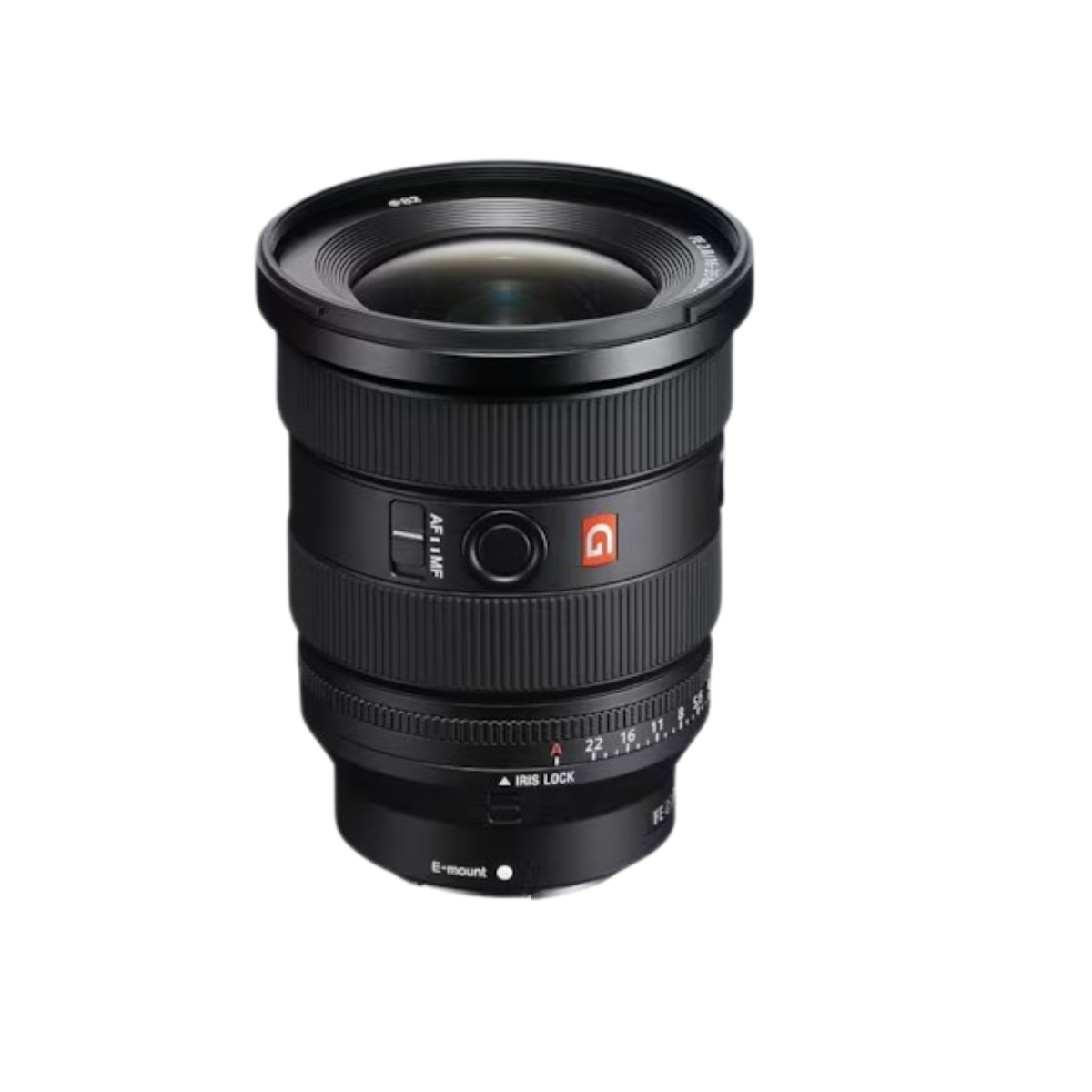
SONY FE 16-35mm F2.8 GM II
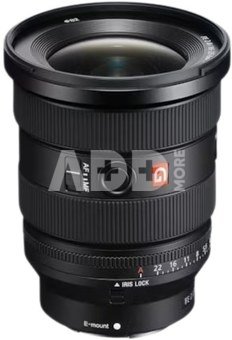
The release of the latest Sony FE 16–35mm F2.8 GM II lens marks the culmination of the second-generation “holy trinity” lens series, and it truly lives up to expectations as a grand finale. This lens delivers outstanding image quality across the entire frame with exceptional sharpness. Significant improvements have been made in the corners, effectively reducing distortion and vignetting. In addition, the lens is more compact and lighter compared to the previous Sony 16–35mm G Master model. The Sony FE 16–35mm f/2.8 GM II is currently the most compact Sony G Master zoom lens, measuring 111.5 mm in length and weighing 547 g. It is notably smaller and lighter than its predecessor, with a reduction of 10.1 mm in length and 133 g in weight. When considering all three lenses in the series together, they weigh a combined 759 g less than the first-generation lenses, which coincidentally matches the weight of the Sony A1 camera. Despite its reduced size, the lens remains robust, featuring dust- and moisture-resistant construction, a fluorine coating, and an updated lens hood design. It includes a manual aperture ring, two focus hold buttons, and maintains balance while zooming, eliminating the need for gimbal rebalancing. Optically, it consists of 15 elements arranged in 12 groups, including various specialized elements and a floating focus system.
Image Sensor: 35.9 x 23.9 mm (Full-Frame) Partially Stacked CMOS
Image Stabilization: Sensor-Shift, 5-Axis
Shutter Type: Mechanical Focal Plane Shutter and Electronic Rolling Shutter
Shutter Speed: Electronic Shutter: 1/16000 to 30 Seconds; Mechanical Shutter: 1/8000 to 30 Seconds, 1/8000 to 1/4 Second in Movie Mode
ISO / Gain Sensitivity: Photo: Native in Manual Mode: 100 to 51,200 (50 to 204,800 Extended); Native in Auto Mode: 100 to 12,800. Video: Native in Manual Mode: 100 to 51,200 (100 to 102,400 Extended); Native in Auto Mode: 100 to 51,200
White Balance: 2500 to 9900K. Presets: ATW, AWB, Auto, Cloudy, Color Temperature, Color Temperature Filter, Custom, Daylight, Flash, Fluorescent (Cool White), Fluorescent (Day White), Fluorescent (Daylight), Fluorescent (Warm White), Incandescent, Shade, Underwater
Self-Timer: 2/5/10-Second Delay
Internal Recording: UHD 4K (3840 x 2160) at 23.98/25/29.97/50/59.94 fps; UHD 4K (3840 x 2160p) at 100/120 fps; 1920 x 1080 at 200/240 fps. *Sensor Crops Video
Video output: 4:2:2/4:2:0 8/10-Bit via HDMI; UHD 4K (3840 x 2160p) at 23.98/25/29.97/50/59.94 fps; 1920 x 1080p at 23.98/50/59.94 fps; 1920 x 1080i at 50/59.94 fps
Memory Card Slot: Slot 1: CFexpress Type A / SDXC (UHS-II); Slot 2: SD/SDHC/SDXC (UHS-II)
1. Which mirrorless camera should I choose for better photo results?
Choosing the right mirrorless camera for better photo results depends on your individual needs and budget. The Sony Alpha a7 III is a popular choice, offering excellent dynamic range and efficient autofocus. The Canon EOS R6 also boasts high technical performance, including powerful image stabilisation. The Nikon Z6 II is another attractive choice with excellent dynamic range and high ISO sensitivity. It's important to consider the features of each model, the choice of lenses and the ability to suit your shooting style. It is recommended to read reviews and test equipment before buying, if possible.
2. What are the advantages of mirrorless cameras compared to DSLR cameras?
The advantages of mirrorless cameras over DSLR cameras include modern technology and lightness. Mirrorless cameras are more compact and lighter, making them more comfortable to carry. They often have a smaller body because they do not have a mirror system, which reduces the overall weight. The use of an electronic viewfinder allows the actual frame to be seen before the picture is taken, thus optimising composition and exposure. Mirrorless cameras have fast autofocus and some models may perform better in low light conditions. They also offer more creative options, including a range of filters and effects. The new generation of lenses offers improved performance and efficiency, contributing to higher quality photos. However, every photographer's needs are different, so it is important to consider your preferences carefully before choosing a camera.
The website uses cookies, which help you ensure quality of service. Continuing browsing, you agree with fotoaparatas.lt cookies policy.Agree























Reviews
0 average rating (0 votes)