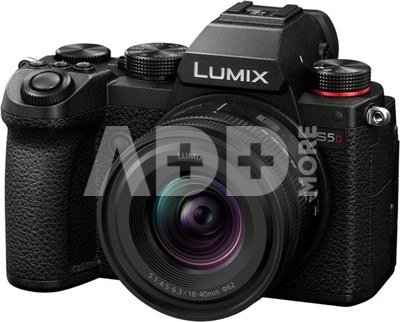
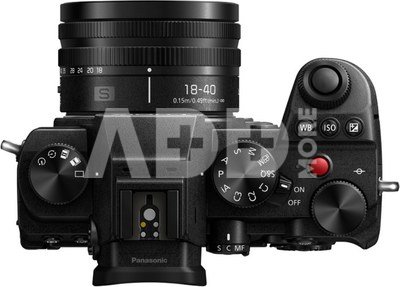
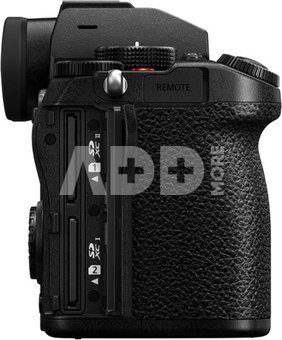
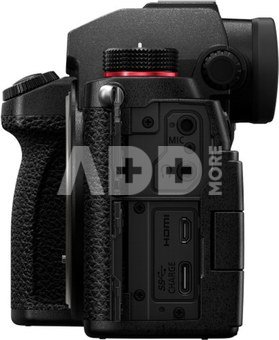
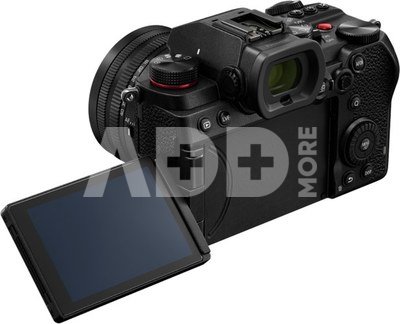
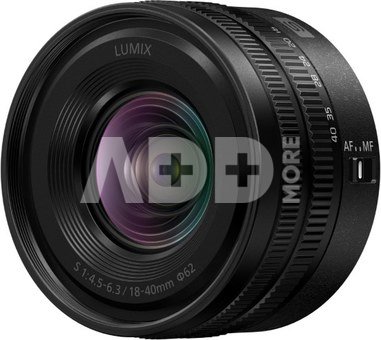
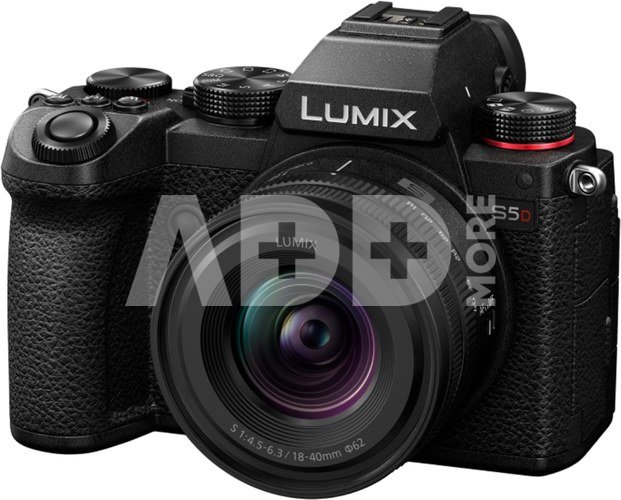
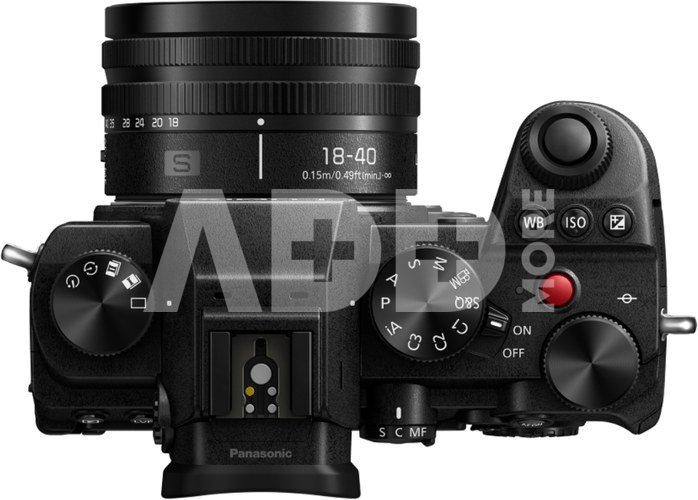
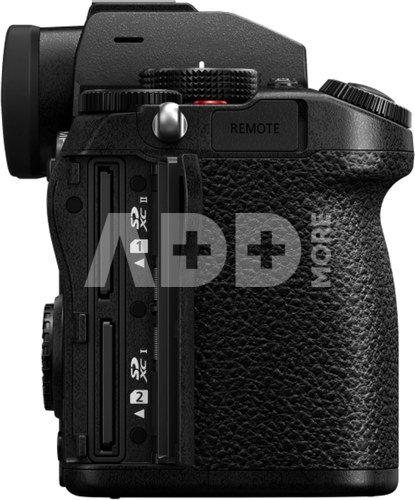
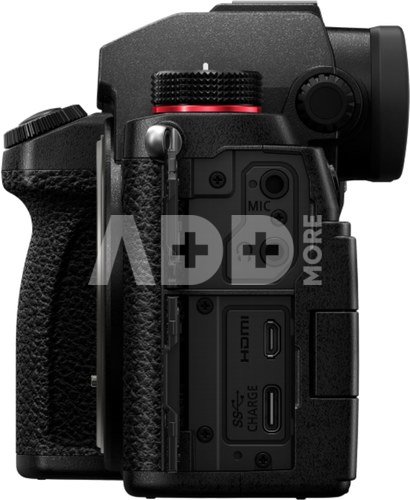
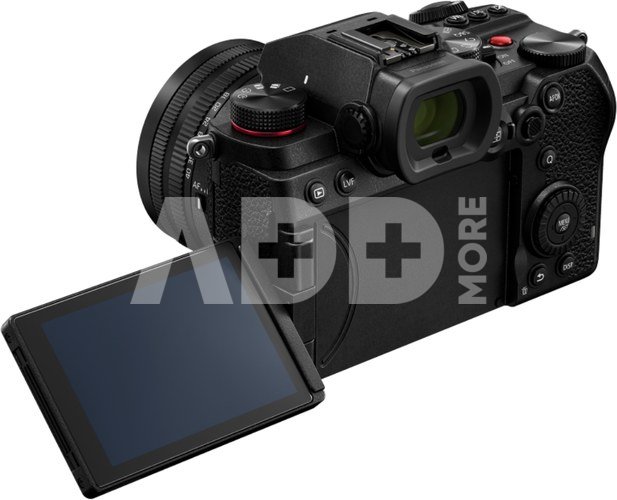
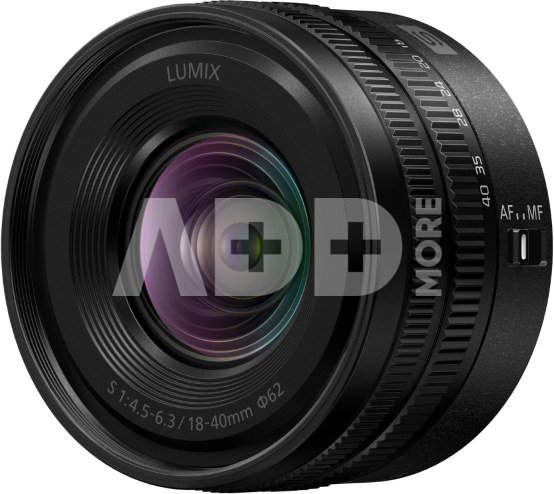
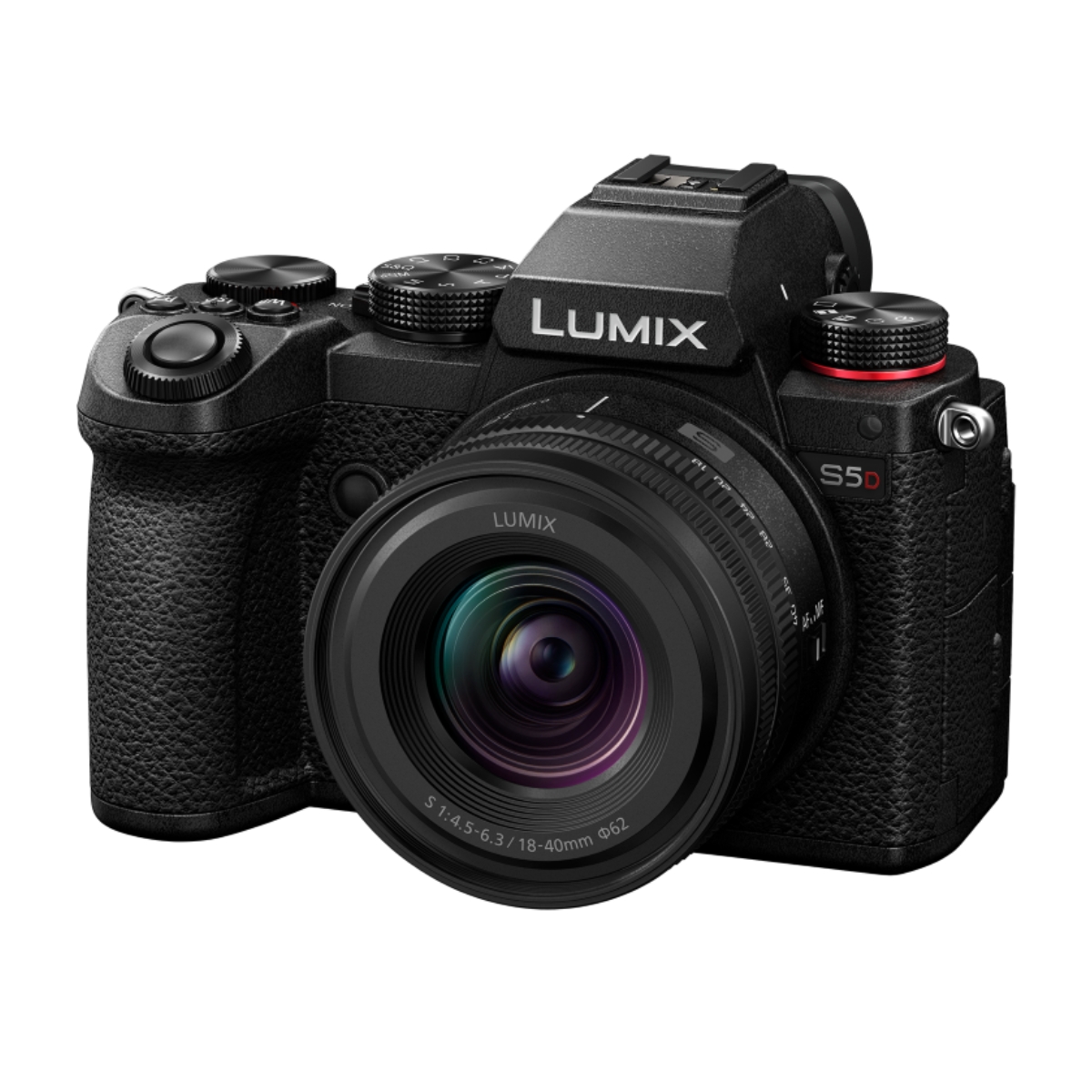
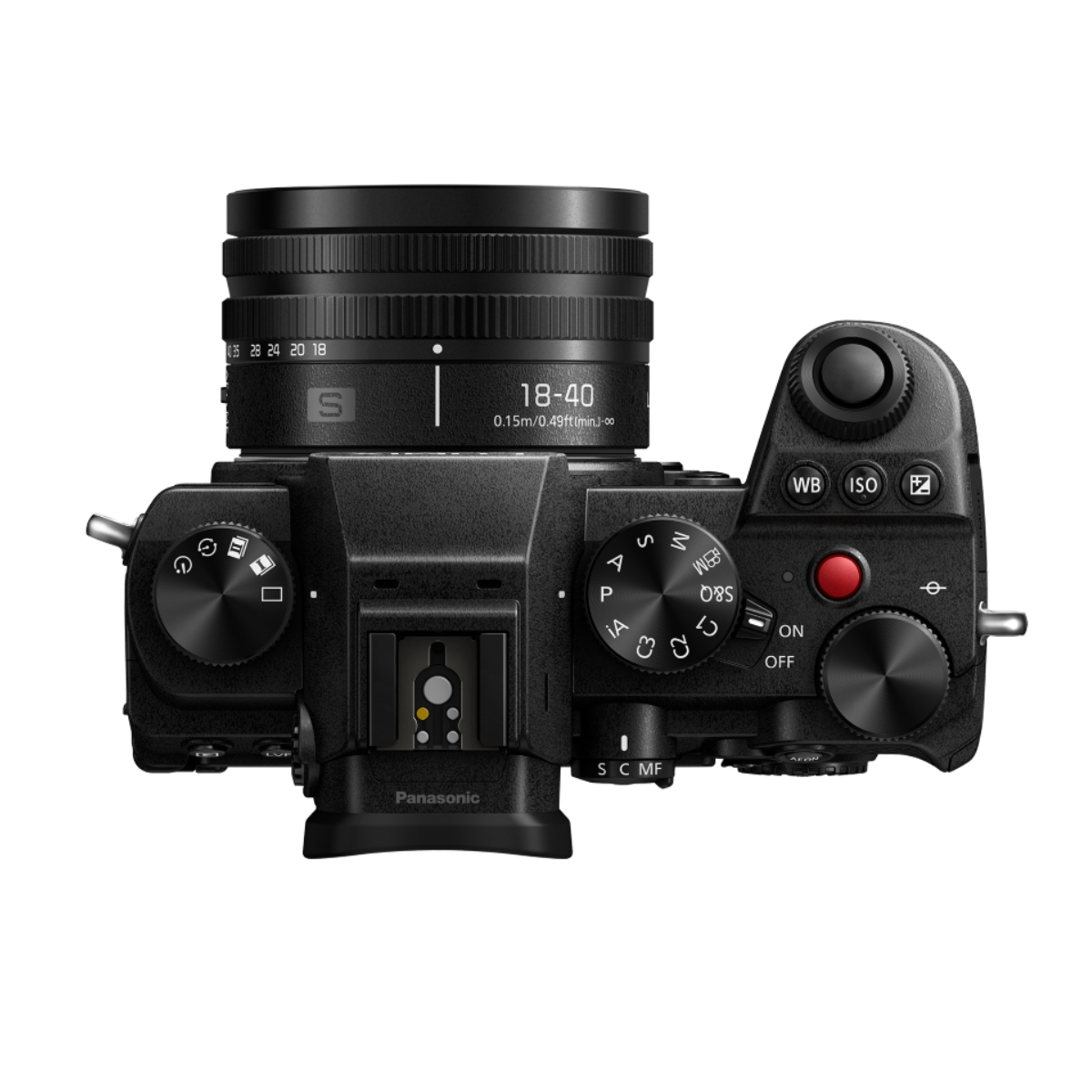
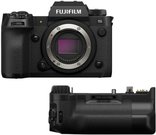
Introducing Panasonic Lumix S5D + 18-40mm. Panasonic Lumix S5D provides exceptional image quality for photo and video across the sensitivity range within an ergonomic body designed for the quality conscious content creator.
HYBRID COMPACT BODY
This hybrid mirrorless camera features a full-frame image sensor, 10-bit 4K 60p/50p recording, 14+ stops of V-Log, and more — all in an incredibly compact, lightweight body.
24.2MP CMOS SENSOR WITH DUAL NATIVE ISO TECHNOLOGY
The 24.2MP CMOS Sensor delivers high sensitivity and top image quality in both still photos and videos. Dual Native ISO technology* further enhances video performance. *Dual Native ISO operates automatically.
VARIOUS RECORDING MODES
Responding to a wide range of needs, recording modes include 4K 60p/50p* 4:2:0 10-bit and C4K/4K 30p/25p 4:2:2 10-bit — plus 4K 8-bit with no limitation of video recording time. *In APS-C or PIXEL/PIXEL settings.
4:2:2 10-BIT INTERNAL REC / HDMI OUTPUT
In the 10-bit setting, 4:2:2 10-bit HDMI output is supported along with simultaneous external drive / SD card recording.* (*SD card recording not available during C4K/4K 60p/50p 4:2:2 10-bit HDMI output.)
14+ STOPS OF V-LOG AND V-GAMUT “VARICAM LOOK”
V-Log and V-Gamut come preinstalled. With 14+ stops of dynamic range and a wide color spectrum, performance rivals that of a VariCam professional cinema camera.
96MP HIGH RESOLUTION MODE WITH JPEG
Photos can now be saved directly in the JPEG format for finely detailed, 96-megapixel-equivalent images characteristic of LUMIX.
DUST AND SPLASH-RESISTANT
The tough body is dust- and splash-resistant* thanks to sealing and other protection for seams, buttons and other functional parts. *Splash Resistant works in conjunction with the lenses that were specifically designed to support this feature. Dust and Splash Resistant does not guarantee that damage will not occur if this camera is subjected to direct contact with dust and water.
FEATURES
- Image quality – 24 MP sensor without low-pass filter, 96 MP high-res shot
- Image stabilizer – 5-axis body stabilizer & Dual IS with up to 6.5 stops longer exposure handheld
- Video – 4K 60p, HDR, Slow & Quick Video (1-180 fps/ FHD), 4K 30p 4:2:2 10-bit & vlog internally and 60p via HDMI, anamorphic, ProRes RAW/BRAW via HDMI
- Focusing – quick AF with 0.08s AF, eyes/human/animal AF, down to -6EV, 7fps AFS; DJI Lidar AF Ready
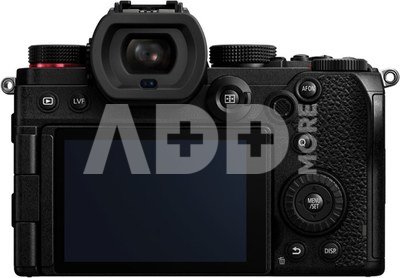
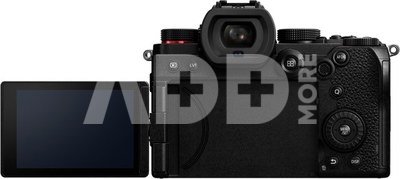
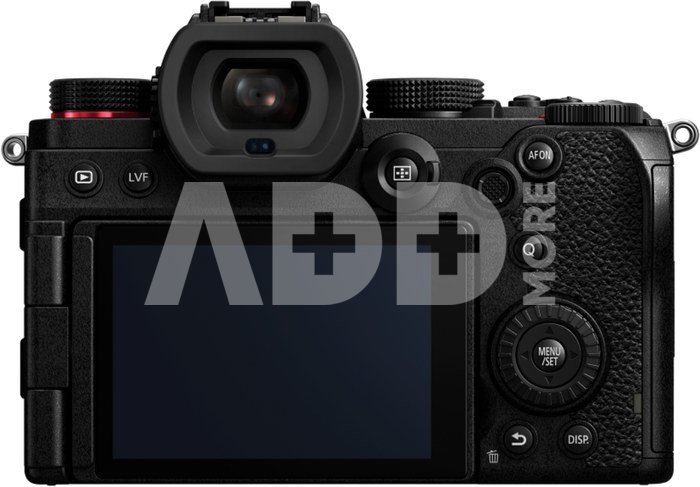
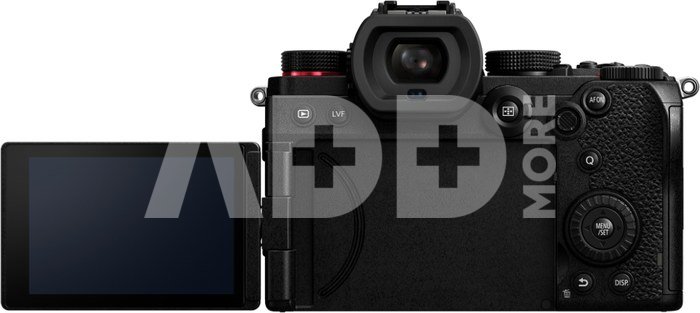
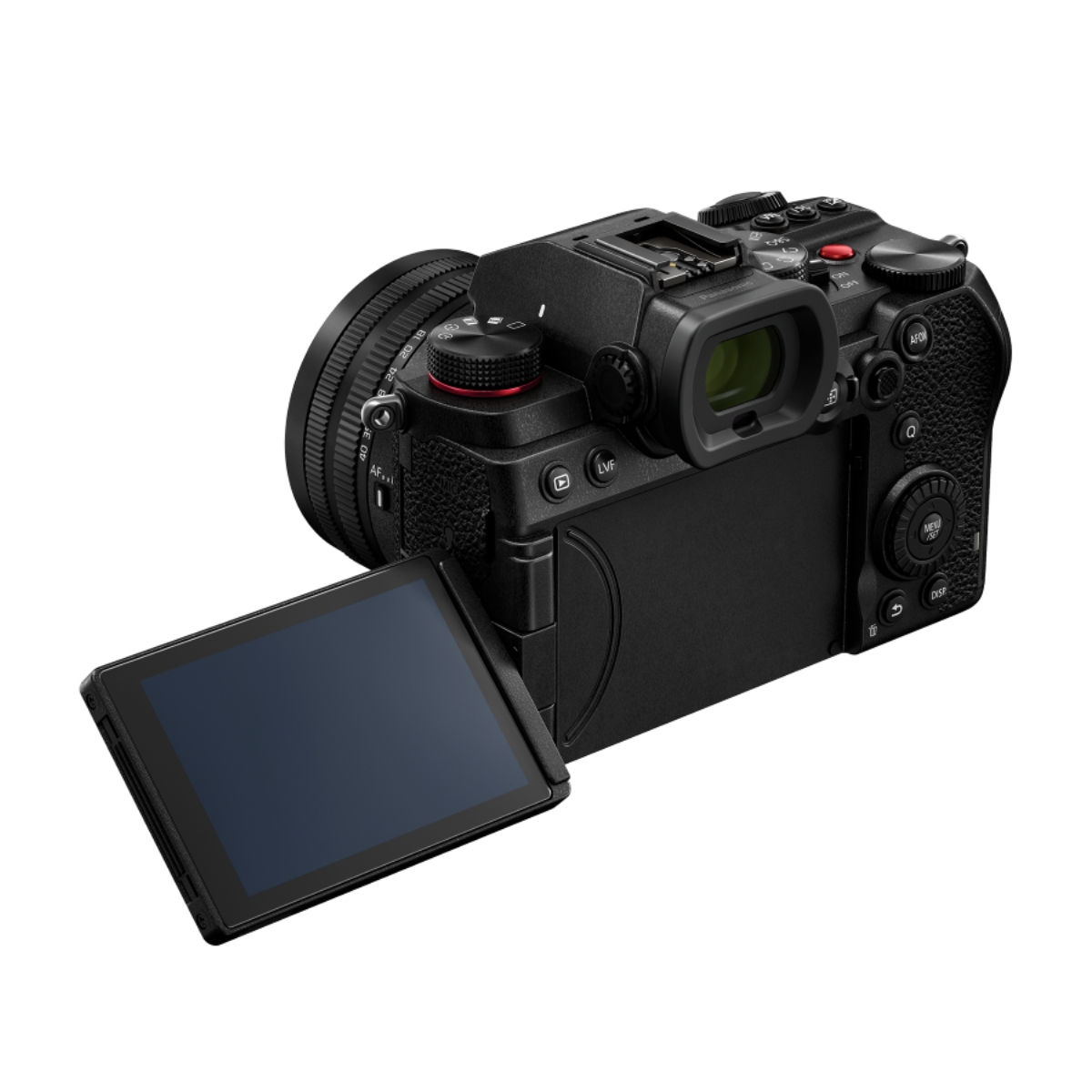
- OLED viewfinder (2.4MP, 120fps, 0.74x), free-angle monitor
- Magnesium housing, dust/splash water protection
SPECIFICATIONS
Camera type: Digital Single Lens Mirrorless camera
Dimensions (width x height x depth): approx. 132.6 x 97.1 x 81.9 mm (excluding protrusions)
Weight: approx. 714 g (Body, Hot Shoe Cover, Battery, SD Memory Card x 1) (excluding body cap); approx. 630 g (Body, Hot Shoe Cover) (excluding body cap)
Delivery time5-19 w.d.
Lens mount (bayonet)
Leica L mount
Image Sensor Size
Full frame (36 x 24 mm)
Discuss with a consultant in Kaunas
We don't haveKlaipėdaAddress: Birželio 23-iosios g. 23gWorking hours: I-V 09:00 - 18:00VI-VII not workingPhone: +370 674 59488
Discuss with a consultant in Klaipėda
We don't haveKlaipėdaAddress: Taikos pr. 17Working hours: I-V 10:00 - 19:00VI 10:00 - 14:00VII not workingPhone: +370 604 43972
Specification
Producer(?)
Link to the official manufacturer website
Panasonic
Delivery time
5-19 w.d.
Lens mount (bayonet)
Leica L mount
Vaizdo sensorius
Image Sensor Size
Full frame (36 x 24 mm)
Effective pixels
24.2 mln. pixels
Sensor type
CMOS
Nuotrauka
ISO rating
Auto / 50* / 100 / 200 / 400 / 800 / 1600 / 3200 / 6400 / 12800 / 25600 / 51200 / 102400* / 204800* (Changeable to 1/3 EV step) *Extended ISO
1. Which mirrorless camera should I choose for better photo results?
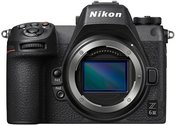
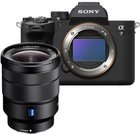
Choosing the right mirrorless camera for better photo results depends on your individual needs and budget. The Sony Alpha a7 III is a popular choice, offering excellent dynamic range and efficient autofocus. The Canon EOS R6 also boasts high technical performance, including powerful image stabilisation. The Nikon Z6 II is another attractive choice with excellent dynamic range and high ISO sensitivity. It's important to consider the features of each model, the choice of lenses and the ability to suit your shooting style. It is recommended to read reviews and test equipment before buying, if possible.
2. What are the advantages of mirrorless cameras compared to DSLR cameras?
The advantages of mirrorless cameras over DSLR cameras include modern technology and lightness. Mirrorless cameras are more compact and lighter, making them more comfortable to carry. They often have a smaller body because they do not have a mirror system, which reduces the overall weight. The use of an electronic viewfinder allows the actual frame to be seen before the picture is taken, thus optimising composition and exposure. Mirrorless cameras have fast autofocus and some models may perform better in low light conditions. They also offer more creative options, including a range of filters and effects. The new generation of lenses offers improved performance and efficiency, contributing to higher quality photos. However, every photographer's needs are different, so it is important to consider your preferences carefully before choosing a camera.
The website uses cookies, which help you ensure quality of service. Continuing browsing, you agree with fotoaparatas.lt cookies policy.Agree















Reviews
0 average rating (0 votes)