DescriptionPanasonic Lumix S1RII body + 24-105 F4 description
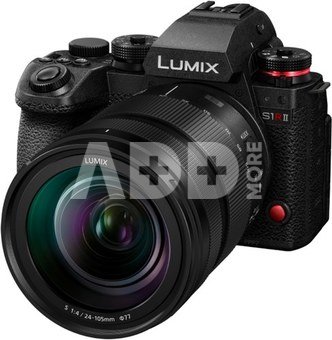
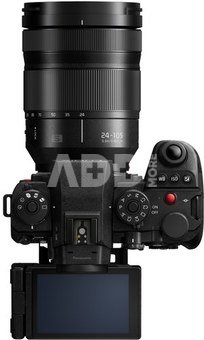
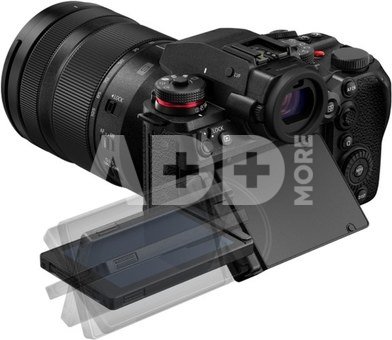
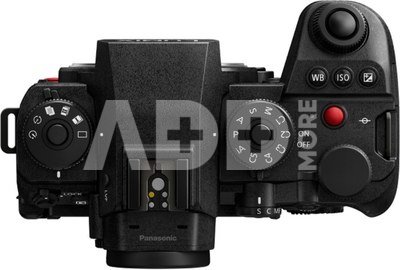
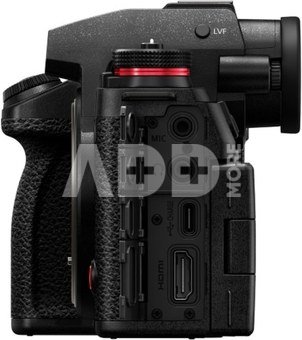
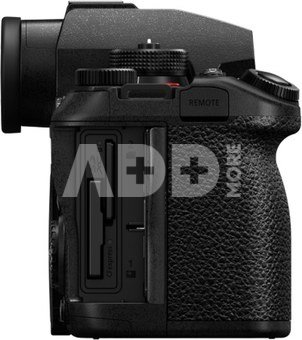
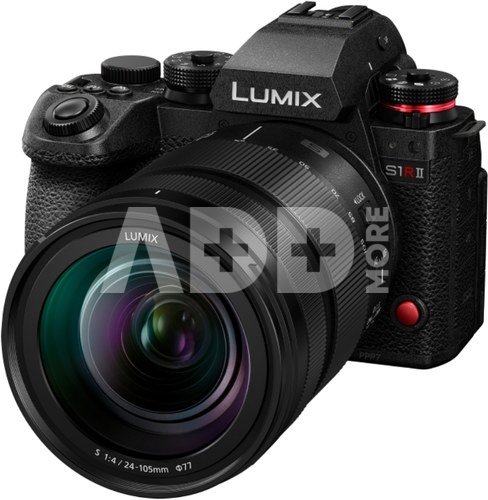
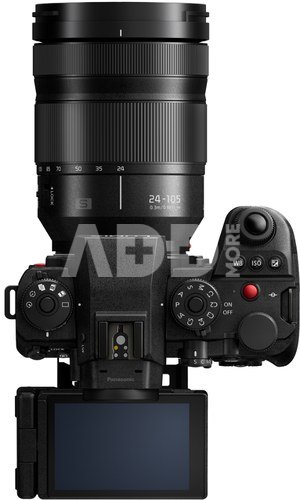
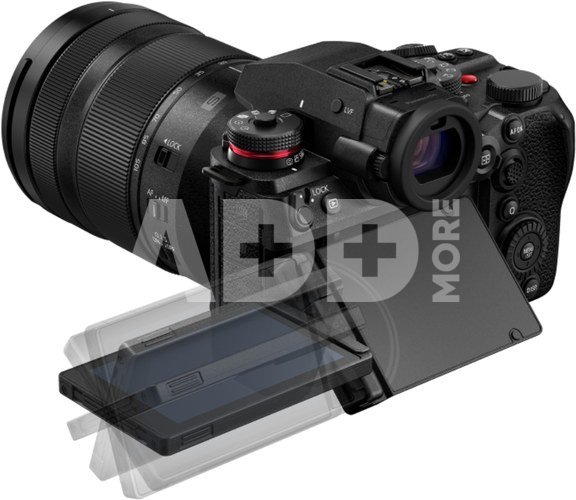
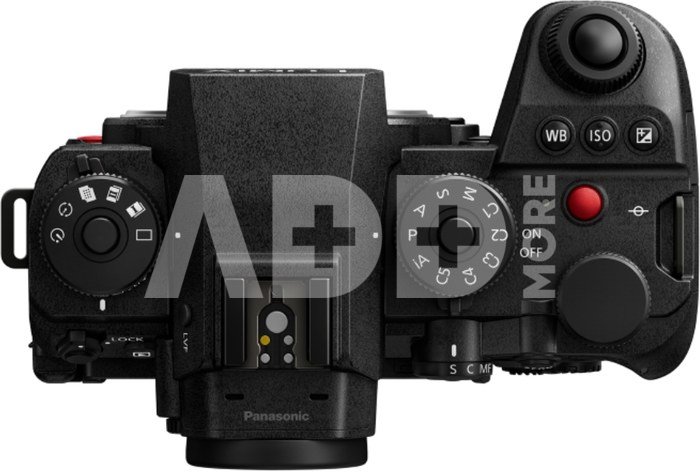
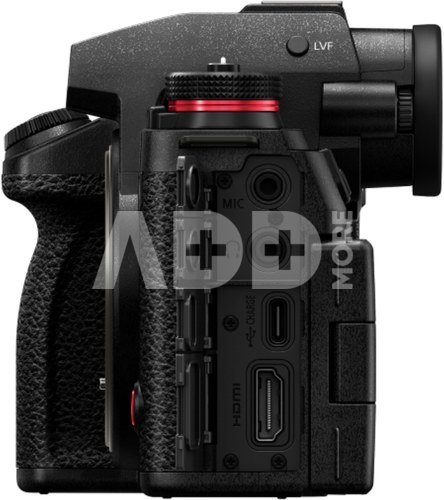
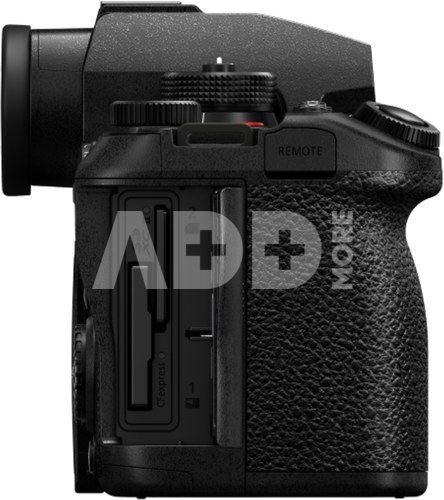
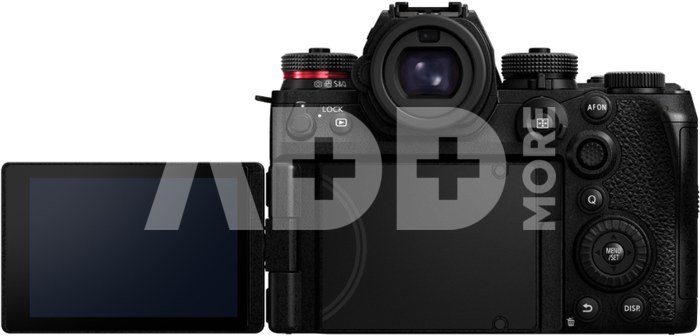
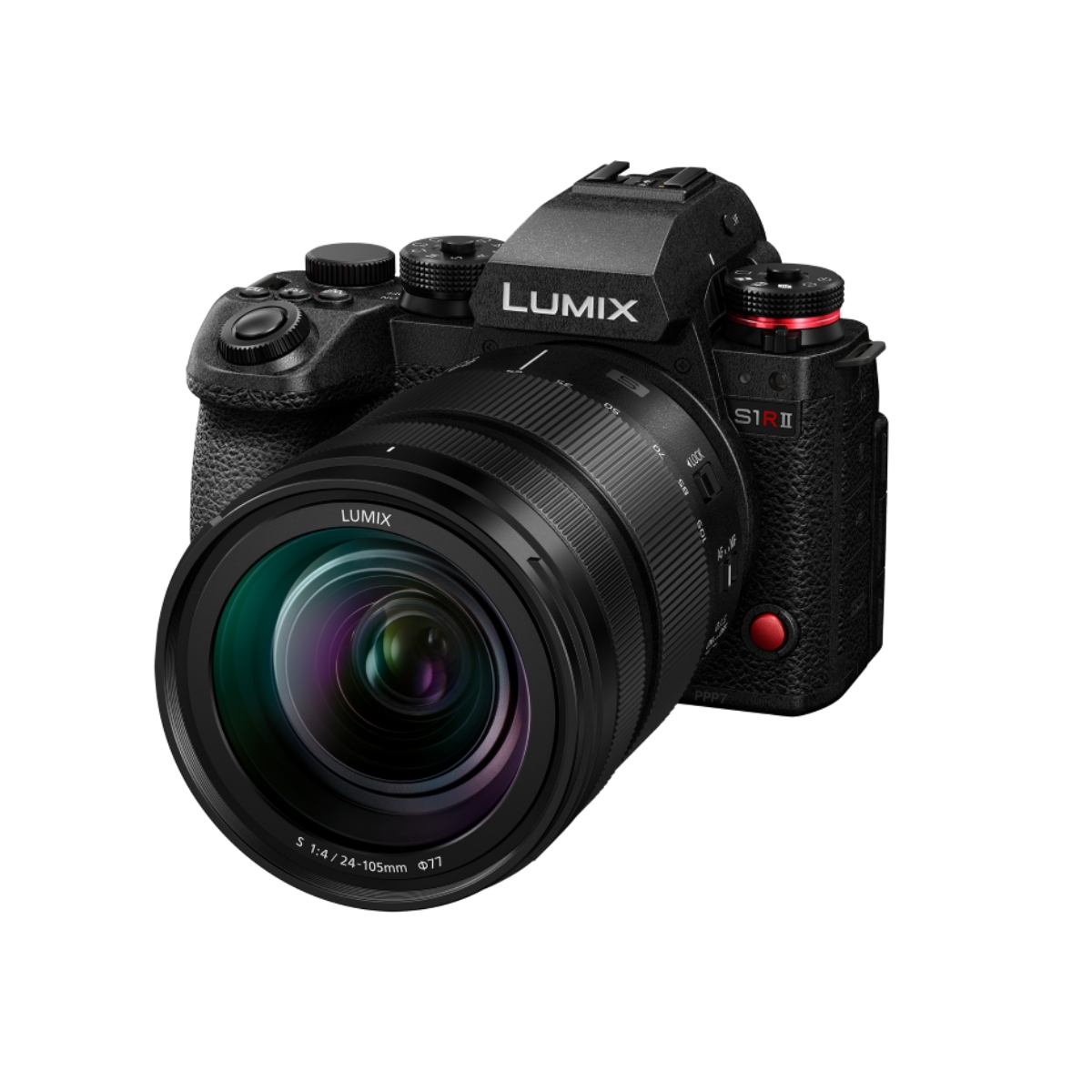
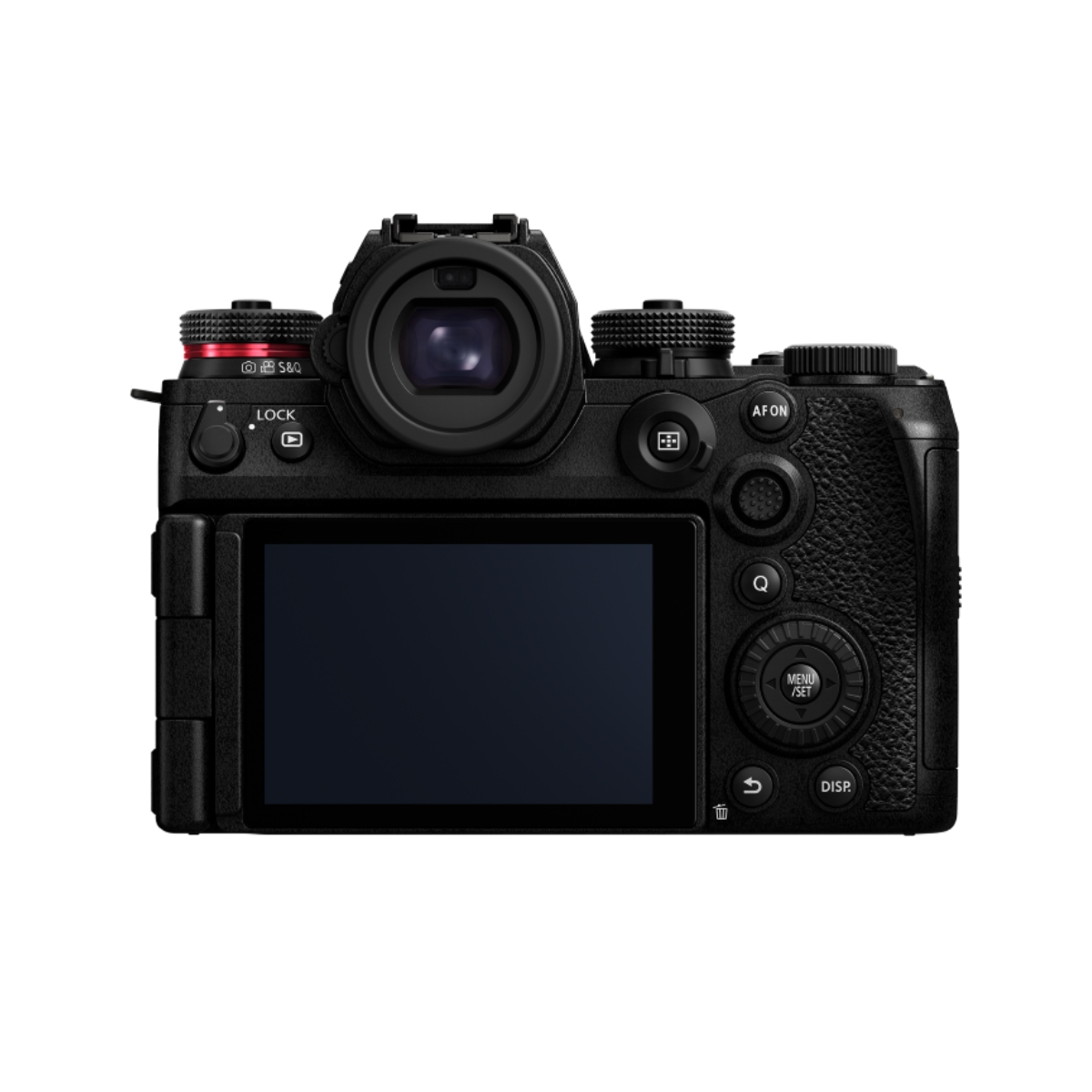
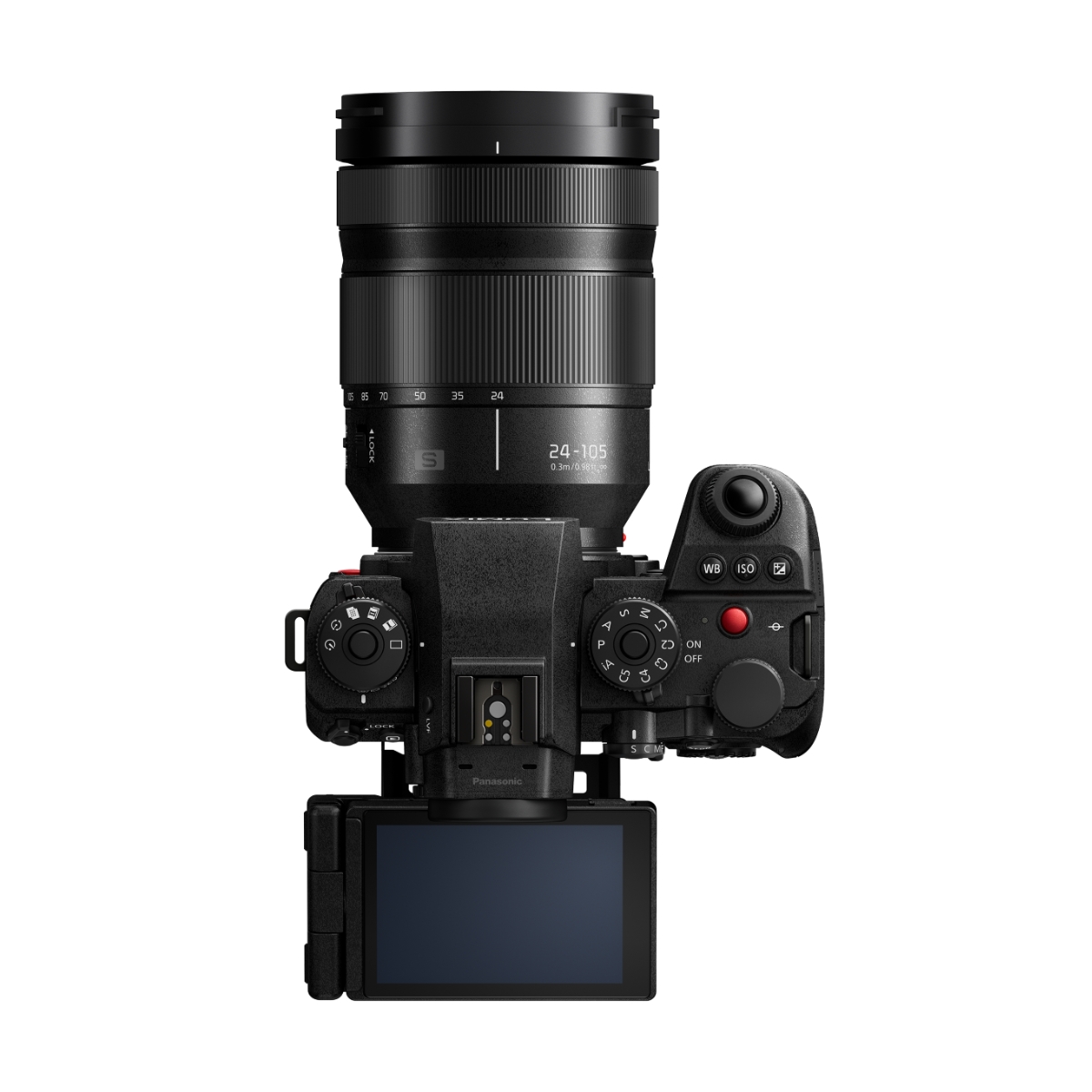
Panasonic Lumix S1RII body + 24-105 F4. The LUMIX S1RII features a new 44.3MP BSI CMOS sensor and high-performance engine with L2 Technology that work together to deliver impressive stills and videos with LUMIX’s esteemed natural color science. The handheld high-res mode allows even up to 177MP still images. With revolutionary video performance, it is the first LUMIX camera to realize 8K video, broadening the possibilities of video creation. The popular Open Gate feature has been enhanced, allowing to shoot in 6.4K, and even up to 8.1K with a future firmware update. Furthermore, it supports internal recording of 5.8K Apple ProRes RAW HQ / ProRes RAW to record high-quality video data with minimal setup. Evolved real-time recognition Phase Hybrid AF, now with AI tracking, quickly and precisely detects human eyes and faces and follows a subject’s movements smoothly. With high-speed continuous shooting at up to 40 fps and AF tracking, dynamic subjects can be captured accurately. The widely acclaimed image stabilization continues to improve, achieving 8.0-stop compensation with in- body stabilization, and 7.0-stop even in the telephoto range with Dual I.S. The advanced video image stabilization features cropless E.I.S. video distortion correction, reducing peripheral distortion in wide-angle shooting.
IMAGE QUALITY
NEW developed 44.3MP full-frame BSI CMOS sensor and 177MP handheld high-res mode that captures even the smallest details with precision.
PROFESSIONAL VIDEO
8K 30p video with 14 stops of dynamics, full area 4K 120p & 60p, internal recording of 5.8K Apple ProRes RAW HQ / ProRes RAW.
OPEN GATE
6.4K Open Gate and even up to 8.1K with a future firmware update.
PRECISE AUTOFOCUS
Phase Hybrid AF (779 phase detection points) with AI tracking, continuous shooting at up to 40fps AFS and pre-burst mode.
BEST IMAGE STABILIZATION
5-axis body I.S. with 8.0 stops of compensation, Dual I.S. with 7.5 stops of compensation in the telephoto range, additional electronic stabilization for video.
Live Streaming & Proxy: Wireless & USB Tethering (RTMPS) / Proxy recording
Audio format: Linear: LPCM (2ch Stereo 48kHz/24-bit, 96kHz/24-bit*); Float**: LPCM (2ch Stereo 48kHz/32-bit, 96kHz/32-bit). *With optionalΦ3.5mm microphone or DMW-XLR2. **With optionalDMW-XLR2. 4ch Audio possible with separate XLR adapter.
Timecode IN/OUT: Rec Run/Free Run; Modi: Drop Frame / Non Drop Frame; HDMI Timecode Output On/Off
Professional video function: Tally Lamp (front & rear), Stop Motion, Live Cropping, SS/Gain Operation, Luminance Level, Master Pedestel, Color bar, HLG View Assist, Anamorph de-squeeze, Wave Form Monitor, Vectorscope, Knee Control, Frame Marker, False Color
1. Which mirrorless camera should I choose for better photo results?
Choosing the right mirrorless camera for better photo results depends on your individual needs and budget. The Sony Alpha a7 III is a popular choice, offering excellent dynamic range and efficient autofocus. The Canon EOS R6 also boasts high technical performance, including powerful image stabilisation. The Nikon Z6 II is another attractive choice with excellent dynamic range and high ISO sensitivity. It's important to consider the features of each model, the choice of lenses and the ability to suit your shooting style. It is recommended to read reviews and test equipment before buying, if possible.
2. What are the advantages of mirrorless cameras compared to DSLR cameras?
The advantages of mirrorless cameras over DSLR cameras include modern technology and lightness. Mirrorless cameras are more compact and lighter, making them more comfortable to carry. They often have a smaller body because they do not have a mirror system, which reduces the overall weight. The use of an electronic viewfinder allows the actual frame to be seen before the picture is taken, thus optimising composition and exposure. Mirrorless cameras have fast autofocus and some models may perform better in low light conditions. They also offer more creative options, including a range of filters and effects. The new generation of lenses offers improved performance and efficiency, contributing to higher quality photos. However, every photographer's needs are different, so it is important to consider your preferences carefully before choosing a camera.
The website uses cookies, which help you ensure quality of service. Continuing browsing, you agree with fotoaparatas.lt cookies policy.Agree






























Reviews
0 average rating (0 votes)