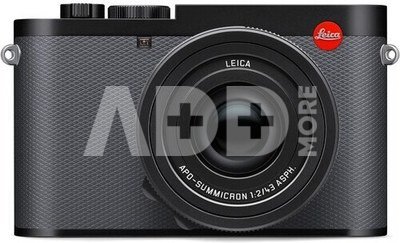
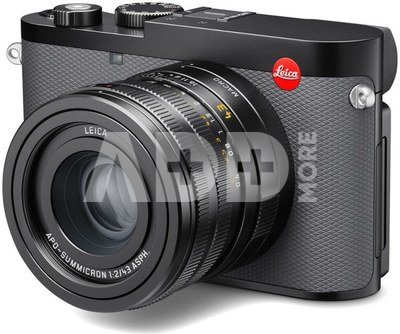
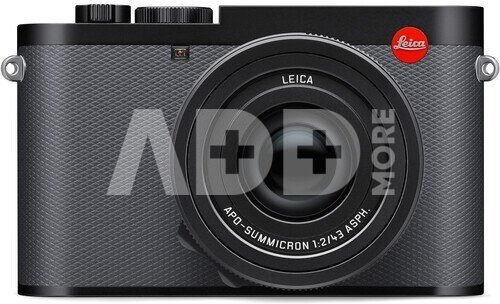
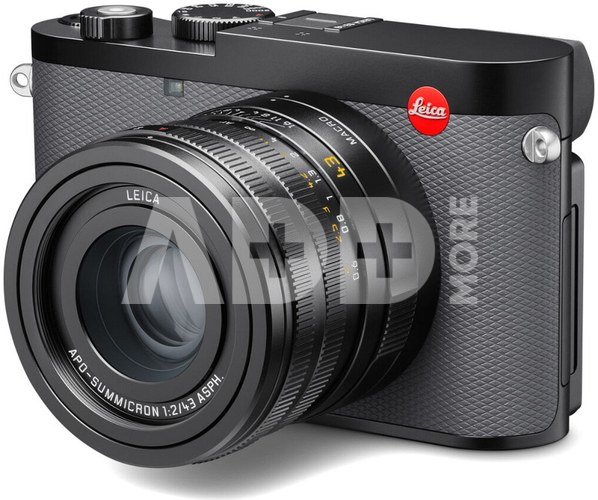
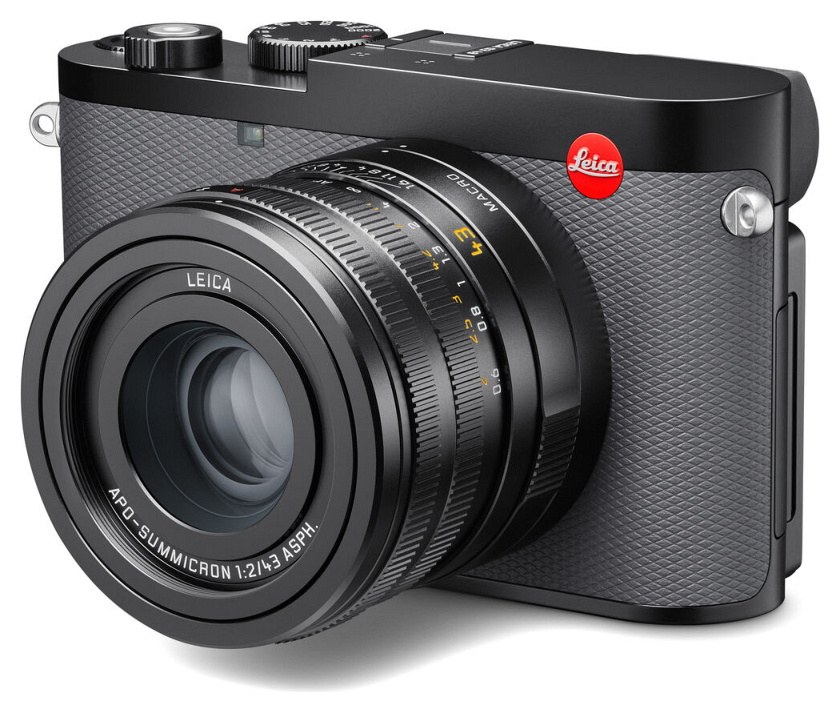
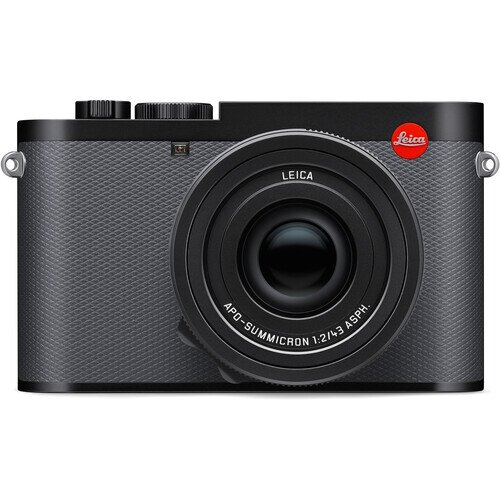
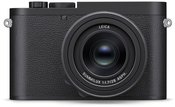
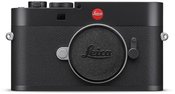
Leica Q3 43 is a premium full-frame compact camera with a fixed APO-Summicron 43mm f/2 ASPH. lens. It is designed for photographers who want a more natural field of view than the classic 28mm Leica Q3, while keeping the same compact form, high resolution and unmistakable Leica image quality. The 43mm focal length is close to natural human vision, giving images a balanced, realistic look without the strong perspective distortion often associated with wider lenses. This makes the camera ideal for portraits, street photography, travel, everyday storytelling and creative documentary work.
Who is it for?
Leica Q3 43 is made for photographers who value simplicity, speed and exceptional optical quality. It is a camera for those who do not want to change lenses but still want one premium tool that can handle everyday shooting, travel and professional-quality image creation. This model is especially well suited for portraits and documentary photography. The 43mm perspective allows a natural working distance from the subject, pleasing background separation and the refined visual character expected from Leica optics.
Main advantages
The key strength of the Leica Q3 43 is its specially developed APO-Summicron 43mm f/2 ASPH. lens. The apochromatic optical design helps reduce chromatic aberrations, while the bright f/2 aperture supports low-light shooting and creates smooth background blur.
The camera uses a full-frame sensor with Triple Resolution Technology, allowing you to shoot at 60, 36 or 18 megapixels. This gives you flexibility between maximum detail and smaller, easier-to-manage files.
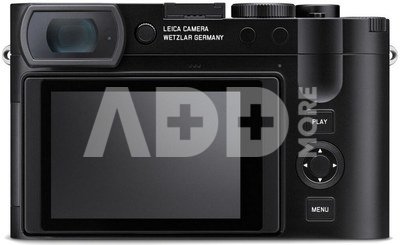
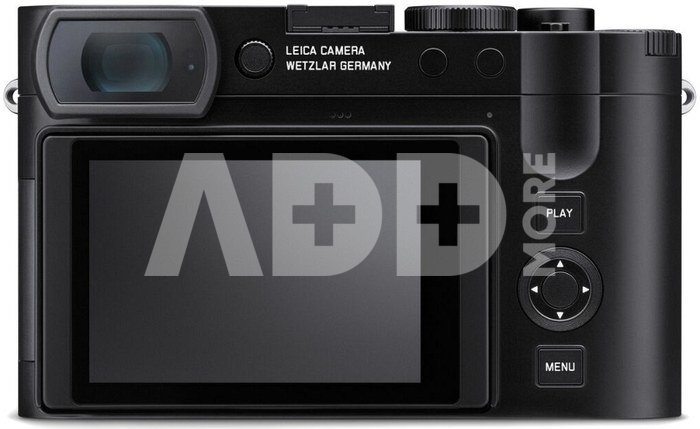
Leica Q3 43 also supports video recording up to 8K, features a tilting touchscreen, a high-resolution OLED viewfinder, Wi-Fi, Bluetooth, USB-C and HDMI. Integration with the Leica FOTOS app makes it easy to transfer images, control the camera remotely and work efficiently with mobile content.
Comparison with Leica Q3
The main difference between Leica Q3 and Leica Q3 43 is the lens. Leica Q3 uses a wider 28mm lens, which is well suited for architecture, travel, interiors and wide documentary scenes. Leica Q3 43 uses a tighter and more natural 43mm lens, making it better for portraits, street photography, details and everyday scenes.
If you prefer a classic 40–50mm style of photography, Leica Q3 43 will feel more natural. If you often shoot wide scenes, city views or interiors, the standard Leica Q3 may be the more practical choice.
FAQ
Does Leica Q3 43 have an interchangeable lens?
No. It is a full-frame compact camera with a fixed 43mm lens.
Is Leica Q3 43 good for portraits?
Yes. The 43mm focal length and f/2 aperture are very suitable for natural portraits with attractive background separation.
Can Leica Q3 43 be used for video?
Yes. It supports video recording up to 8K and includes USB-C and HDMI connections for a more flexible video workflow.
What is the main difference between Leica Q3 and Leica Q3 43?
The lens. Leica Q3 has a 28mm lens, while Leica Q3 43 has a 43mm APO-Summicron lens.
1. What are the main features to consider when choosing a digital camera?
When choosing a digital camera, it's important to consider several key features to ensure it meets your needs. First, define your goals: will it be for everyday photos, professional photography, or a compact travel camera? Choose the appropriate sensor size, which directly affects photo quality and performance in low light conditions. Consider the number of megapixels – more doesn’t necessarily mean better quality. Select the right lens based on your needs. It's also essential to take into account the camera’s size, weight, ease of control, battery life, recording formats, flash capabilities, and connectivity with other devices. Don’t forget your budget – choose something within your means. Before purchasing, it's important to read reviews and do thorough research to ensure you’ll be satisfied with your choice.
2. How to understand and use the digital camera's menu system and settings?
The digital camera's menu system may initially seem complicated, but it's important to understand the basic settings. Experienced photographers often experiment with different settings, but beginners are recommended to familiarize themselves with the main settings such as ISO and aperture. Most cameras come with a user manual, and there are plenty of online tutorials that can help you quickly grasp the menu systems and settings. The key is to experiment, as this will help you better understand how different settings work and how to use them optimally in different shooting conditions.
The website uses cookies, which help you ensure quality of service. Continuing browsing, you agree with fotoaparatas.lt cookies policy.Agree














Reviews
0 average rating (0 votes)