




1. How do LCD screen protectors differ from regular screen protectors?
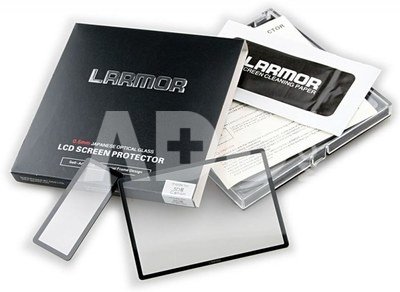
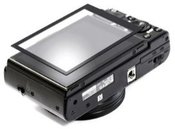
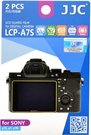
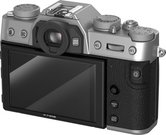
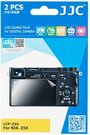
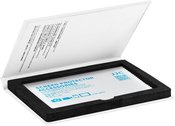
LCD screen protectors differ from regular screen protectors in their design and materials. LCD screen protectors are often made from specially treated films or glass that reduce reflections and minimize smudges and fingerprints. These protectors may also be anti-static to reduce dust attraction. Most LCD protectors are very thin to avoid any loss of image quality. Regular screen protectors are often made of plastic or film designed to protect against scratches, but they can be thick and slightly affect image quality.
2. Can screen protectors affect the screen’s touch sensitivity?
LCD screen protectors can affect touch sensitivity depending on the material and design used. Some high-quality protectors are designed not to affect touch sensitivity, maintaining the original user experience. These protectors are often very thin, and their high-quality materials do not interfere with the screen's touch response. However, cheaper or lower-quality protectors may result in a reduction in touch sensitivity. Before purchasing an LCD protector, it is important to choose a high-quality product that will not affect the screen's touch sensitivity.












Reviews
0 average rating (0 votes)