DescriptionLaowa 9mm f/5.6 FF RL Nikon Z description
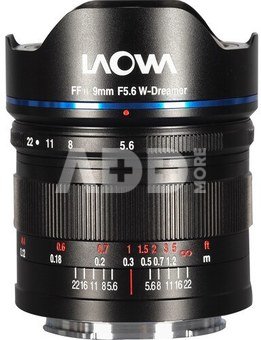
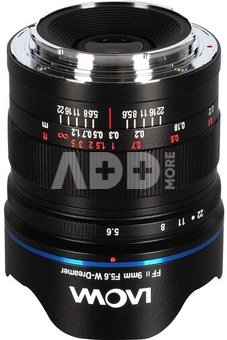
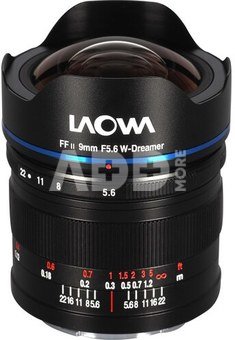
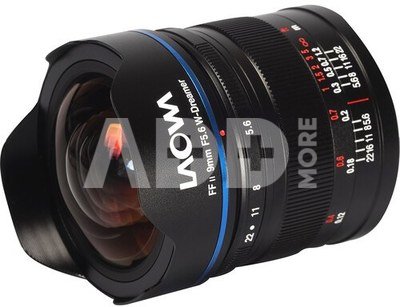
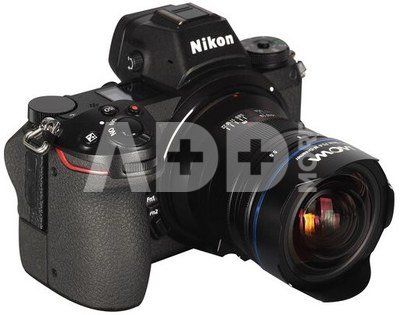
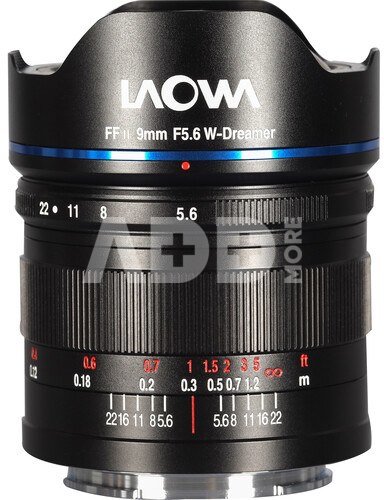
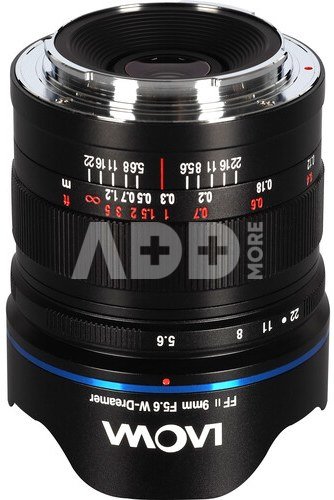
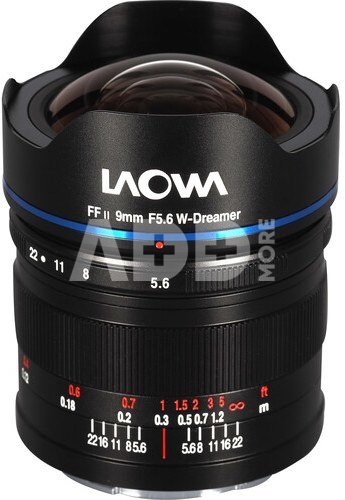
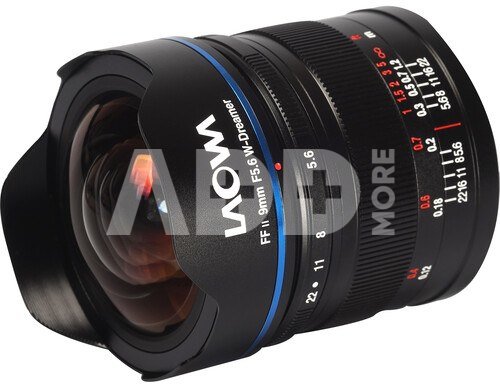
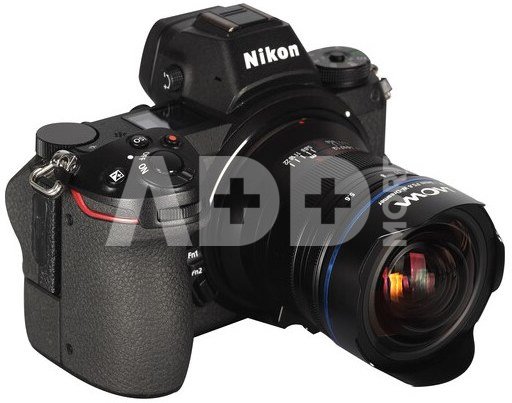
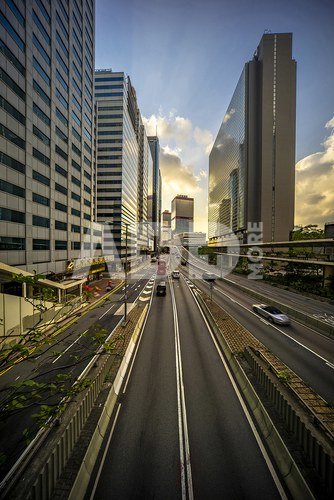
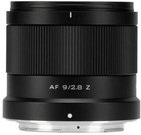
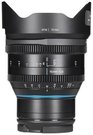
Naujasis Laowa 9mm f/5.6, pasižymintis nepaprastu 135° matymo kampu, šiuo metu yra plačiausias objektyvas be "žuvies akies", kada nors sukurtas viso kadro sisteminiams fotoaparatams. Itin platus matymo kampas ypač naudingas interjerui, nes padeda perdėtai jausti erdvės pojūtį. Vienetinė perspektyva taip pat padeda realizuoti daugybę anksčiau neįmanomų kadrų.
Itin mažas fokusavimo atstumas
Be itin plačios perspektyvos, naujasis Laowa 9 mm objektyvas gali sufokusuoti itin arti, beveik kaip makro objektyvas. Artimiausias fokusavimo atstumas yra tik 12 cm, matuojant nuo objekto iki jutiklio. Tai daug arčiau nei kiti rinkoje esantys itin plataus kampo objektyvai ir suteikia fotografams daugiau lankstumo komponuoti kadrus bet kokiu atstumu, kurti plataus kampo kadrus iš arti ir daug lengviau valdyti lauko gylį.
Tobulos 10 taškų "Saulės žvaigždės"
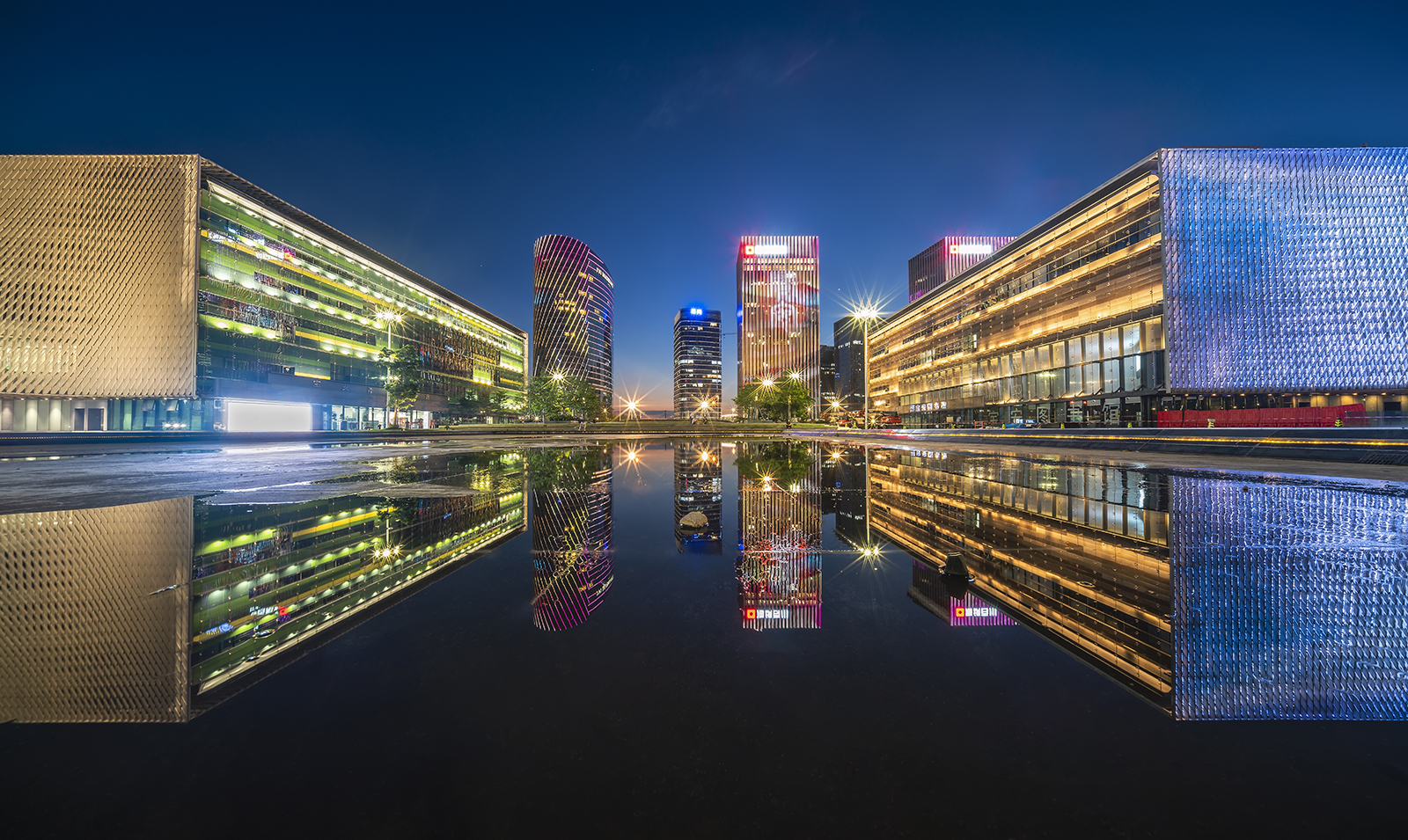
5 ašmenų diafragmos sistema sukuria malonų "saulės žvaigždės" atvaizdą. Tiesiog sumažinkite diafragmą 1 stotele ir sukursite tobulas 10 taškų saulės žvaigždes.
Perdėtas erdvės pojūtis
Su nepaprastu 135° matymo kampu, objektyvas sukuria erdvės pojūtį padidindamas santykinį priekinio plano objektų dydį. Šis objektyvas itin naudingas fotografuojant interjerą.
100 mm filtro diametras
Nepaisant itin plataus matymo kampo, „Venus Optics“ sugebėjo kartu su partneriais kruopščiai suprojektuoti filtro laikiklį, kad būtų galima naudoti 100 mm pločio filtrus be rimto vinjetavimo.
Typ of SensorFull Frame
Image stabilizationNėra
Colorjuoda
Discuss with a consultant in Kaunas
We don't haveKlaipėdaAddress: Birželio 23-iosios g. 23gWorking hours: I-V 09:00 - 18:00VI-VII not workingPhone: +370 674 59488
Discuss with a consultant in Klaipėda
We don't haveKlaipėdaAddress: Taikos pr. 17Working hours: I-V 10:00 - 19:00VI 10:00 - 14:00VII not workingPhone: +370 604 43972
1. How to choose the right lens for a mirrorless camera?
When choosing the right lens for a mirrorless camera, it is important to consider your photography needs and style. First, decide on the resolution and focusing distance you require. For portraits, lenses with a wide aperture, such as a 50mm f/1.8, are often preferred. If you enjoy landscapes, go for a wide-angle lens (e.g., 24mm). To capture distant objects, telephoto lenses (e.g., 70-200mm) are useful. Another important factor is the lens’s light-gathering ability, which affects performance in low-light conditions. A stabilization system can also be important, especially for longer lenses. It’s important to evaluate the build quality of the lens and the manufacturer's reputation. Try out several lenses and consider your future needs to choose the right and long-lasting investment in your photography.
2. Are all lenses compatible with all mirrorless cameras?
Not all lenses are universal for all mirrorless cameras. Different manufacturers may have different mounts, so it is important to check the lens compatibility with your camera. For example, lenses for Canon, Nikon, Sony, and other manufacturers' mirrorless cameras may not be interchangeable without adapters. It is also important to consider the sensor size. APS-C lenses may be disproportionately large for full-frame cameras. Before purchasing a lens, it is advisable to check the manufacturer's compatibility chart and consider the specific requirements of your camera. Adapters can allow the use of third-party lenses, but there may be some loss in functionality or quality.
The website uses cookies, which help you ensure quality of service. Continuing browsing, you agree with fotoaparatas.lt cookies policy.Agree



















Reviews
0 average rating (0 votes)