Lens Venus Optics Laowa D-Dreamer 12 mm f/2.8 Zero-D for Leica L
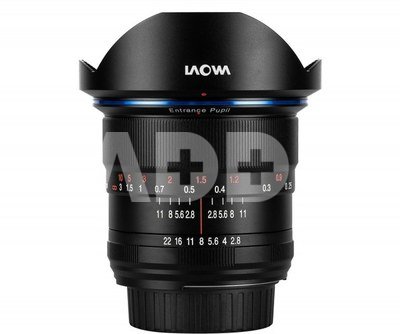
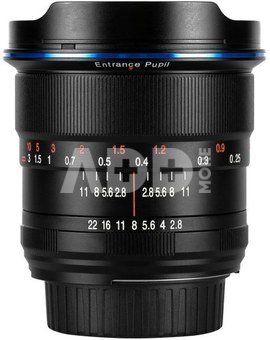
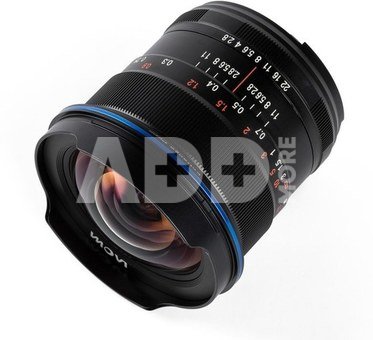
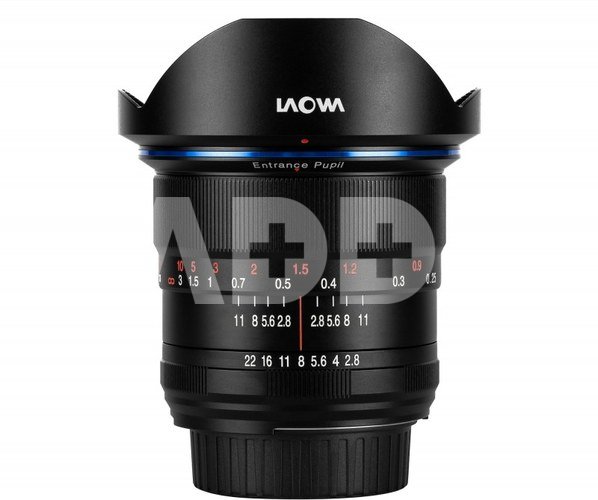
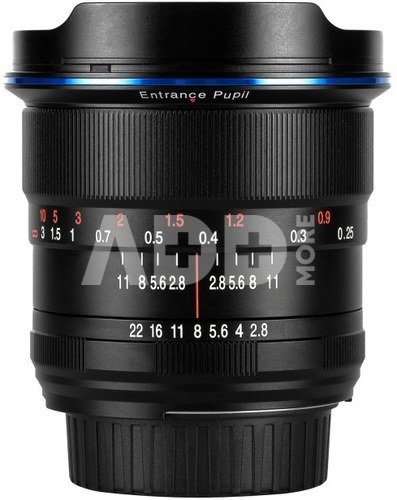
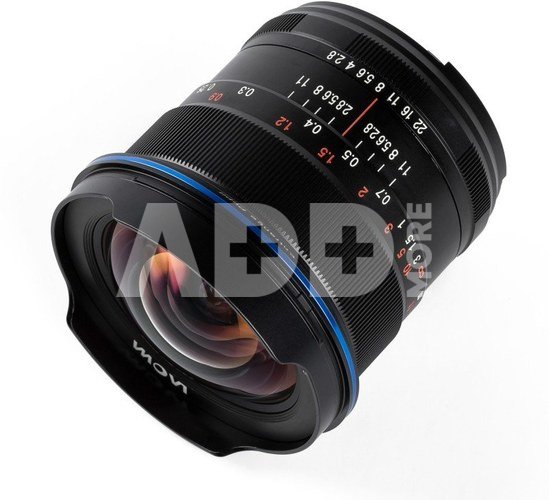
The Laowa 12mm f/2.8 Zero-D is the world's widest lens with f/2.8 brightness and near-zero image distortion. Its extremely wide angle of view (122°) and high brightness make the lens ideal for a wide range of applications from landscape photography to travel photography to astrophotography. The lens' low distortion and accurate line reproduction will especially appeal to photographers specialising in architecture and interior photography. The optical construction of the lens consists of sixteen elements arranged in ten groups. Three low dispersion lenses and two aspherical lenses provide edge-to-edge imaging performance throughout the frame, even at wide open apertures. The front lens is treated with "Frog Eye Coating" to protect it from dust and dirt, and a built-in mount allows attachment of an optional filter adapter. The smallest dimensions and lowest weight, among similar designs, make the Laowa 12mm f/2.8 Zero-D the ideal lens for 'everyday' use. Specification model: D-Dreamer 12mm f/2.8 Zero-D mount: Nikon F focal length: 12 mm angle of view: 121.96° minimum aperture: f/2.8 maximum aperture: f/22 number of aperture blades: 7 image coverage: full frame (35mm) optical construction: 16 elements in 10 groups minimum focusing distance: 18 cm focusing: manual dimensions: 8.3 x ⌀7.5 cm weight: 609 g colour: black filter attachment: optional Laowa 100 mm filter holder Kit contents Laowa D-Dreamer 12 mm f/2.8 Zero-D lens sun visor decal for the front of the lens decal for the back of the lens
Discuss with a consultant in Kaunas
We don't have
Klaipėda Address: Birželio 23-iosios g. 23g Working hours: I-V 09:00 - 18:00 VI-VII not working Phone: +370 674 59488
Discuss with a consultant in Klaipėda
We don't have
Klaipėda Address: Taikos pr. 17 Working hours: I-V 10:00 - 19:00 VI 10:00 - 14:00 VII not working Phone: +370 604 43972
1. How to choose the right lens for a mirrorless camera?
When choosing the right lens for a mirrorless camera, it is important to consider your photography needs and style. First, decide on the resolution and focusing distance you require. For portraits, lenses with a wide aperture, such as a 50mm f/1.8, are often preferred. If you enjoy landscapes, go for a wide-angle lens (e.g., 24mm). To capture distant objects, telephoto lenses (e.g., 70-200mm) are useful. Another important factor is the lens’s light-gathering ability, which affects performance in low-light conditions. A stabilization system can also be important, especially for longer lenses. It’s important to evaluate the build quality of the lens and the manufacturer's reputation. Try out several lenses and consider your future needs to choose the right and long-lasting investment in your photography.
2. Are all lenses compatible with all mirrorless cameras?
Not all lenses are universal for all mirrorless cameras. Different manufacturers may have different mounts, so it is important to check the lens compatibility with your camera. For example, lenses for Canon, Nikon, Sony, and other manufacturers' mirrorless cameras may not be interchangeable without adapters. It is also important to consider the sensor size. APS-C lenses may be disproportionately large for full-frame cameras. Before purchasing a lens, it is advisable to check the manufacturer's compatibility chart and consider the specific requirements of your camera. Adapters can allow the use of third-party lenses, but there may be some loss in functionality or quality.

















Reviews
0 average rating (0 votes)