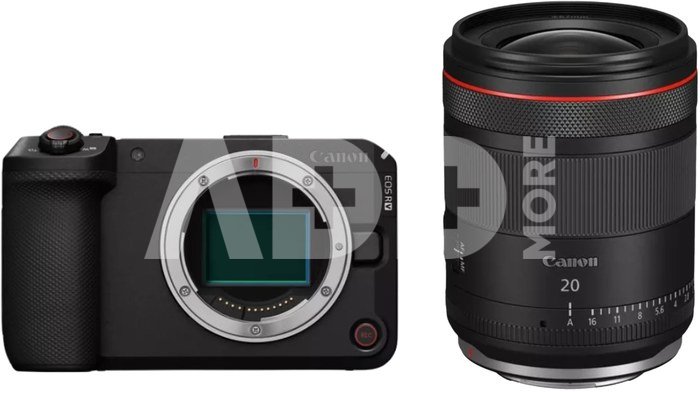
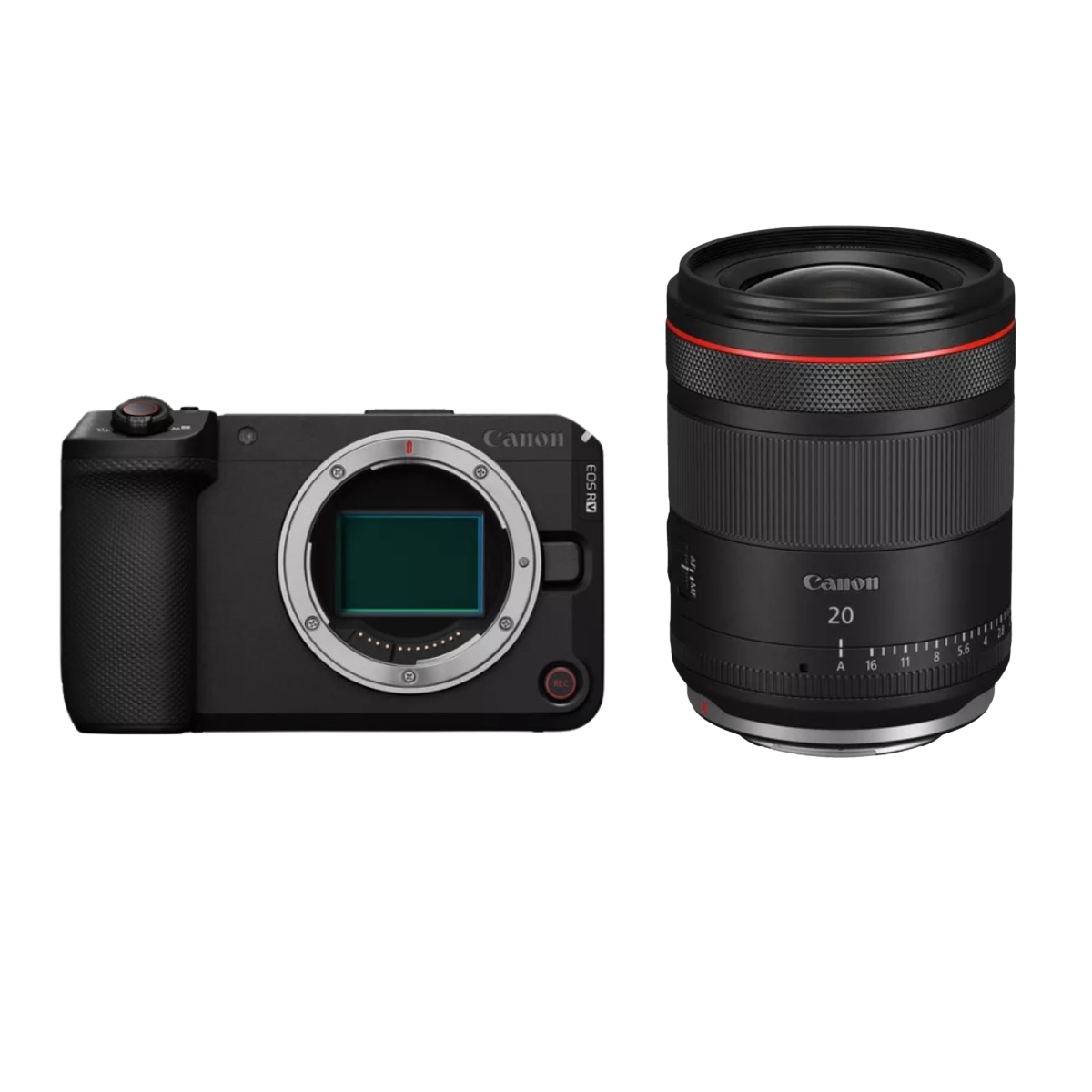
DescriptionCanon EOS R6 V + RF 20mm F1.4L VCM description
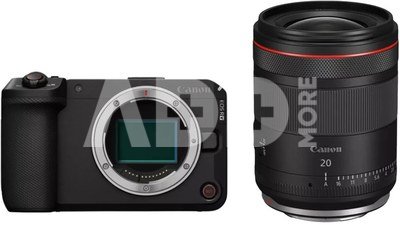
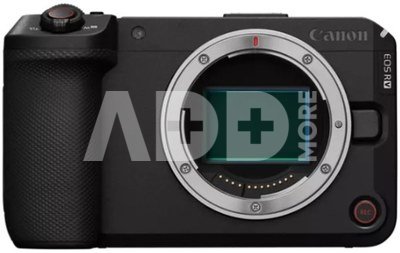
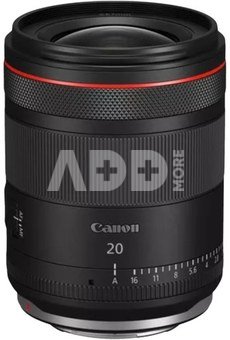
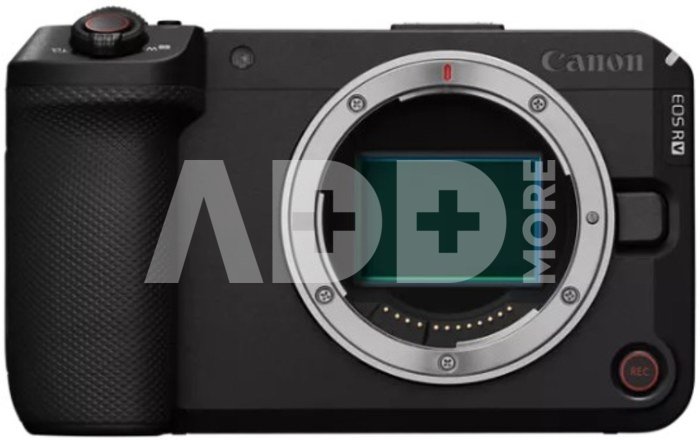
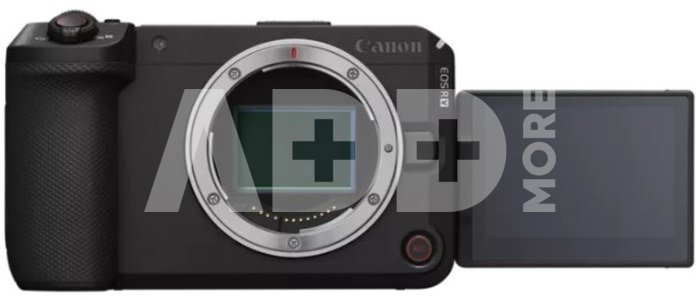
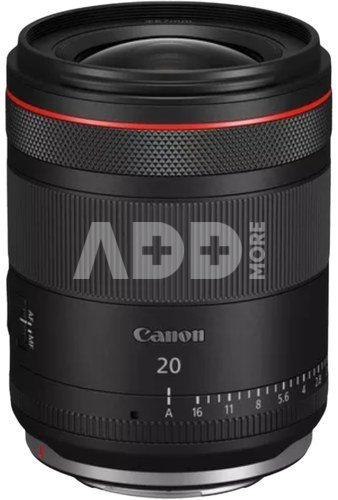
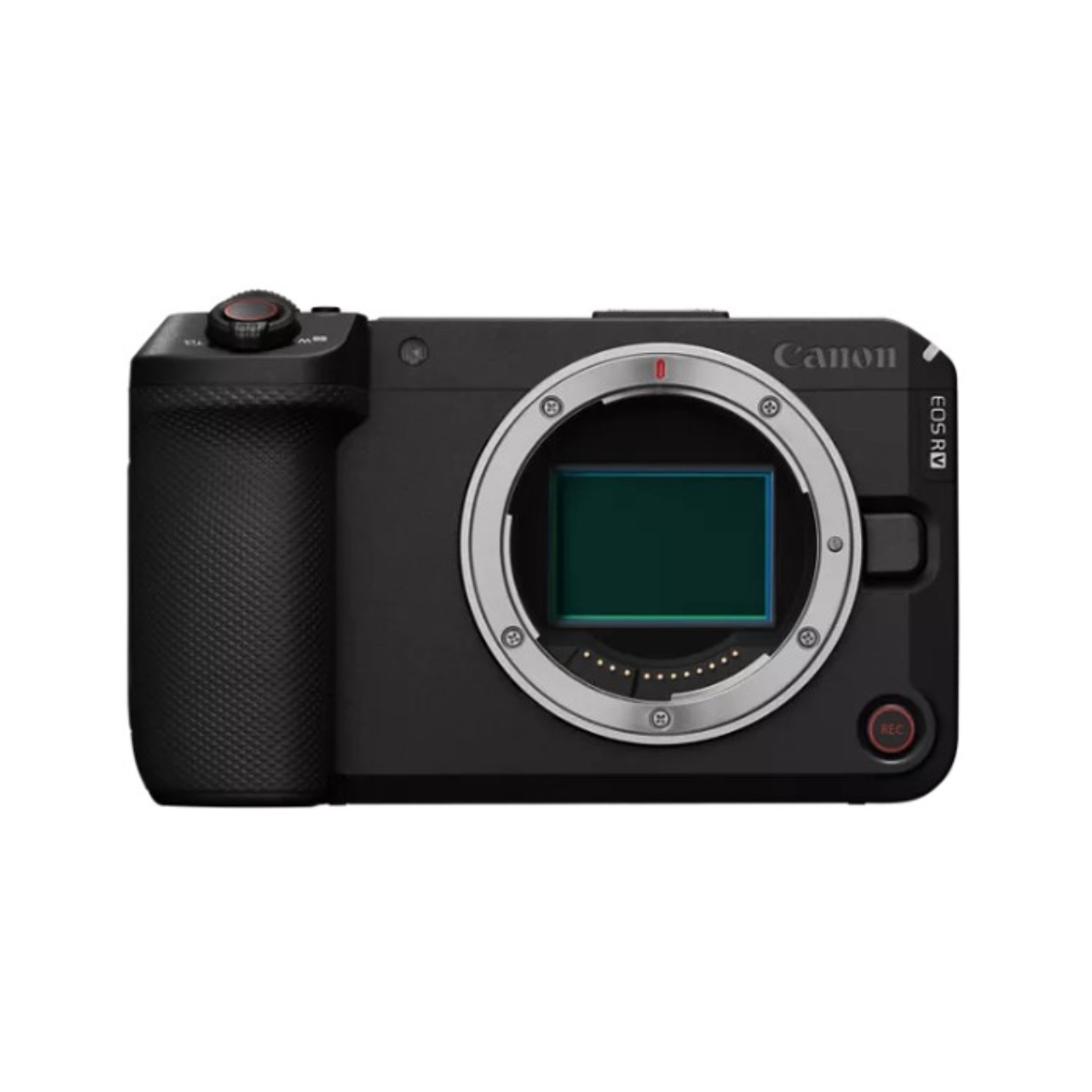
Canon EOS R6 V + RF 20mm F1.4L VCM is a professional full-frame camera and ultra-bright L-series wide-angle lens kit for high-quality photography, video creation, documentary work, interiors, landscapes, vlogging, astrophotography and low-light production. The Canon EOS R6 V features a 32.5MP full-frame CMOS sensor, DIGIC X processor, Dual Pixel CMOS AF II autofocus, 5-axis in-body image stabilisation and continuous shooting up to 40 fps. For video creators, it supports 7K RAW, 4K 120p, Open Gate, Full HD, as well as RAW, MP4, XF-AVC S and XF-HEVC S formats. The included Canon RF 20mm F1.4L VCM lens provides a wide 20mm field of view and a very bright f/1.4 aperture, making it ideal for low-light shooting, night scenes, interiors, wide environmental compositions and creative video. As a Canon L-series lens, it features advanced VCM focusing, an aperture control ring, a lens function button and a construction designed for professional use. The 20mm focal length captures a wide scene while keeping a more controlled perspective than more extreme ultra-wide lenses.
Who is it for?
This kit is designed for professional photographers, videographers, content creators and production teams who need a bright wide-angle lens. It is especially suitable for astrophotography, interiors, architecture, documentary work, travel video, vlogging, landscapes, event atmosphere and cinematic footage. Thanks to the f/1.4 aperture, it can shoot in situations where f/2.8 or f/4 lenses may need more light.
Key features
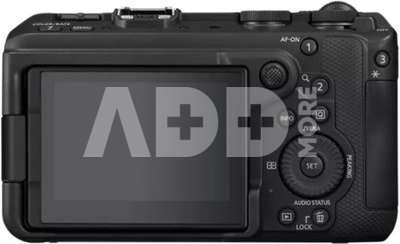
The main strength of this kit is the combination of a professional full-frame camera and an exceptionally bright L-series wide-angle lens. The 32.5MP sensor delivers detailed images, ISO 100–64000, expandable to ISO 50–102400, supports different lighting conditions, and 5-axis IBIS helps stabilise handheld photos and video. The camera includes dual SD UHS-II card slots, USB-C / USB 3.2, full-size HDMI Type-A, 3.5mm microphone and headphone ports, Wi-Fi 2.4 / 5 GHz and Bluetooth 5.1.
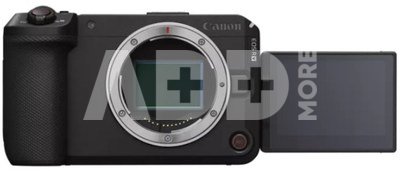
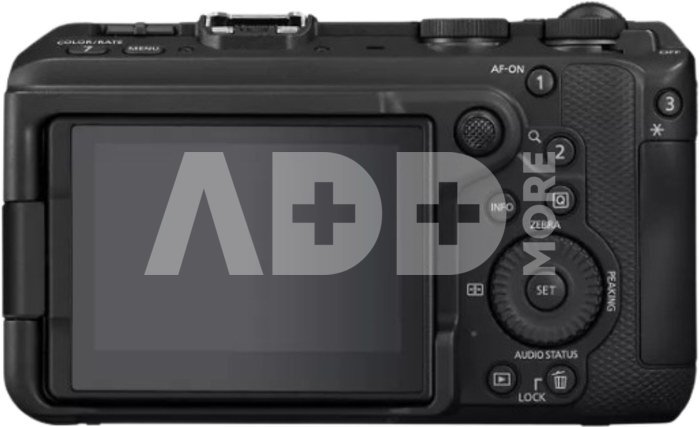
The EOS R6 V does not include a built-in electronic viewfinder, so composition is done using the 3.0-inch vari-angle touchscreen TFT LCD with 1,620,000 dots. This is convenient for video production, low- or high-angle shooting, vlogging and gimbal work.
Comparison with alternatives
Compared with the RF 16-28mm f/2.8 IS STM, the RF 20mm F1.4L VCM does not offer zoom, but it is much brighter and more professional. It is better for astrophotography, low-light work, cinematic video and creative shots with stronger subject separation. The RF 16-28mm f/2.8 IS STM is more versatile thanks to its zoom range and more practical for travel and interiors when framing flexibility is needed.
Compared with the RF 24mm F1.4L VCM, the 20mm version provides a wider field of view, making it better for interiors, astrophotography, vlogging and wide scenes. The 24mm version offers a more natural perspective for people, reportage and documentary work. Compared with the RF 24mm f/1.8 Macro IS STM, the RF 20mm F1.4L VCM is more professional, brighter and higher grade, but it does not offer the same close-up macro capability.
FAQ
Is this kit suitable for astrophotography?
Yes, the 20mm wide angle and f/1.4 aperture are excellent for night sky photography, stars and low-light shooting.
Is it good for video creation?
Yes, the EOS R6 V supports 7K RAW, 4K 120p and Open Gate recording, while the RF 20mm F1.4L VCM offers focusing and aperture control designed for professional video work.
Is 20mm too wide?
20mm is a wide-angle focal length, best suited for environments, interiors, landscapes, vlogging and creative scenes. Longer focal lengths are usually better for classic portraits.
How is it different from the RF 16-28mm f/2.8?
The RF 20mm F1.4L VCM is brighter and more professional, while the RF 16-28mm f/2.8 IS STM is more flexible thanks to its zoom range.
Specifications
Camera: Canon EOS R6 V
Sensor: 32.5MP full-frame CMOS
Processor: DIGIC X
Autofocus: Dual Pixel CMOS AF II
Stabilisation: 5-axis IBIS
Continuous shooting: up to 40 fps
ISO: 100–64000, expandable to 50–102400
Video: 7K RAW, 4K 120p, Open Gate, Full HD
Storage: 2 × SD / SDHC / SDXC UHS-II
Ports: USB-C, HDMI Type-A, 3.5mm microphone and headphone ports
Wireless: Wi-Fi 2.4 / 5 GHz, Bluetooth 5.1
Screen: 3.0-inch vari-angle touchscreen TFT LCD, 1,620,000 dots
Battery: LP-E6P
Body weight: approx. 688 g with battery and card
Lens: Canon RF 20mm F1.4L VCM
Focal length: 20mm
Maximum aperture: f/1.4
Series: Canon L
Autofocus system: VCM
Controls: aperture ring, function button
Mount: Canon RF
Best for: astrophotography, interiors, landscapes, documentary work, vlogging, video
Lens mount (bayonet)
Canon RF
Image Sensor Size
Full-frame
Maximum Resolution6960 × 4640
Discuss with a consultant in Kaunas
We don't haveKlaipėdaAddress: Birželio 23-iosios g. 23gWorking hours: I-V 09:00 - 18:00VI-VII not workingPhone: +370 674 59488
Discuss with a consultant in Klaipėda
We don't haveKlaipėdaAddress: Taikos pr. 17Working hours: I-V 10:00 - 19:00VI 10:00 - 14:00VII not workingPhone: +370 604 43972
1. Which mirrorless camera should I choose for better photo results?
Choosing the right mirrorless camera for better photo results depends on your individual needs and budget. The Sony Alpha a7 III is a popular choice, offering excellent dynamic range and efficient autofocus. The Canon EOS R6 also boasts high technical performance, including powerful image stabilisation. The Nikon Z6 II is another attractive choice with excellent dynamic range and high ISO sensitivity. It's important to consider the features of each model, the choice of lenses and the ability to suit your shooting style. It is recommended to read reviews and test equipment before buying, if possible.
2. What are the advantages of mirrorless cameras compared to DSLR cameras?
The advantages of mirrorless cameras over DSLR cameras include modern technology and lightness. Mirrorless cameras are more compact and lighter, making them more comfortable to carry. They often have a smaller body because they do not have a mirror system, which reduces the overall weight. The use of an electronic viewfinder allows the actual frame to be seen before the picture is taken, thus optimising composition and exposure. Mirrorless cameras have fast autofocus and some models may perform better in low light conditions. They also offer more creative options, including a range of filters and effects. The new generation of lenses offers improved performance and efficiency, contributing to higher quality photos. However, every photographer's needs are different, so it is important to consider your preferences carefully before choosing a camera.
The website uses cookies, which help you ensure quality of service. Continuing browsing, you agree with fotoaparatas.lt cookies policy.Agree

















Reviews
0 average rating (0 votes)