DescriptionLaowa 9mm f/2.8 Zero-D Lens - Fuji X description
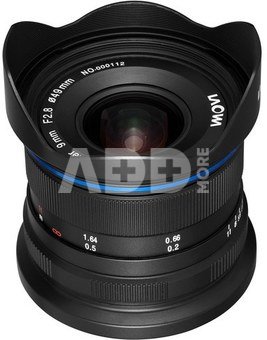
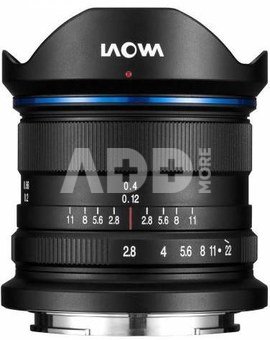
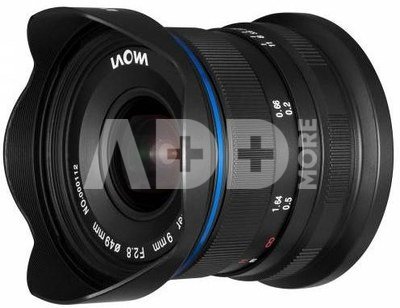
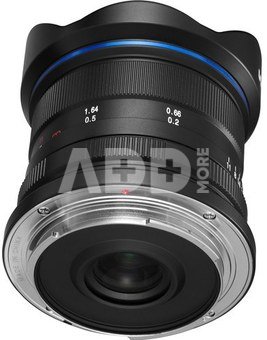
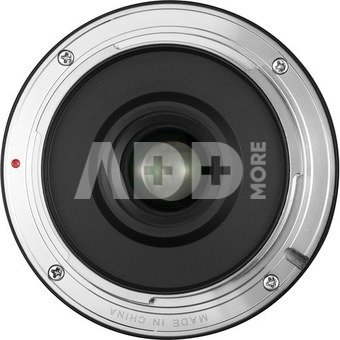
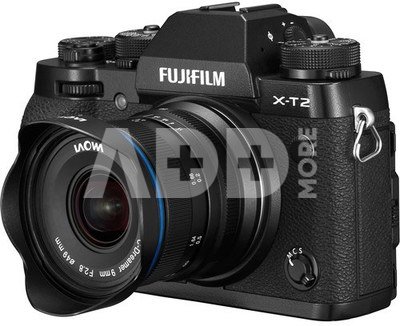
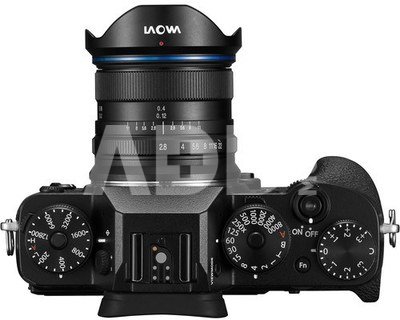
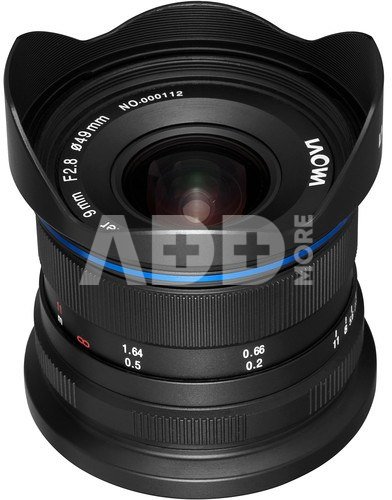
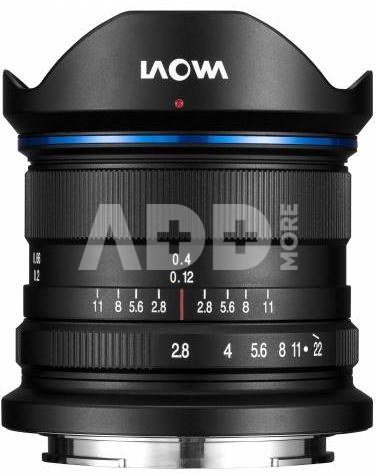
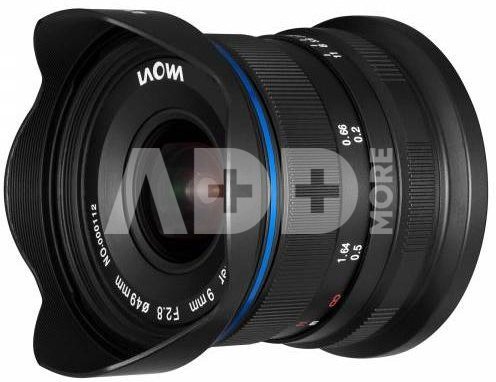
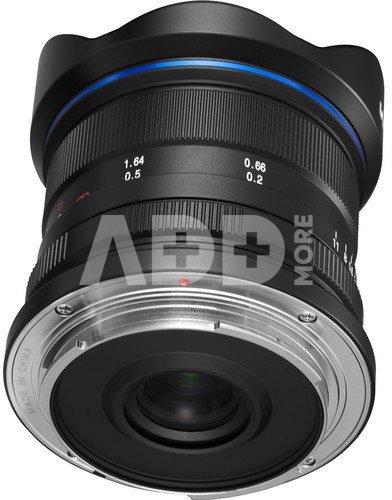
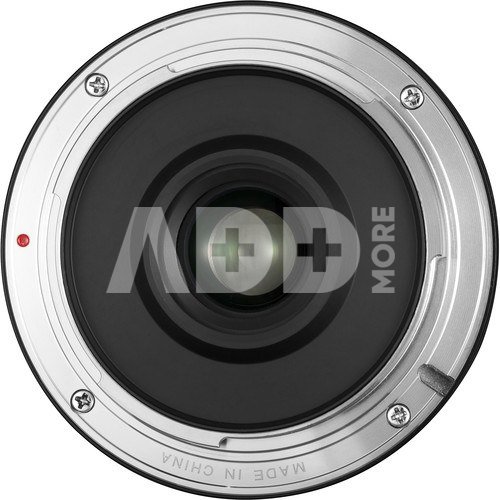
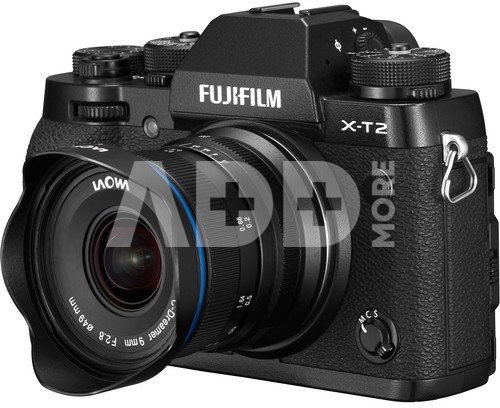
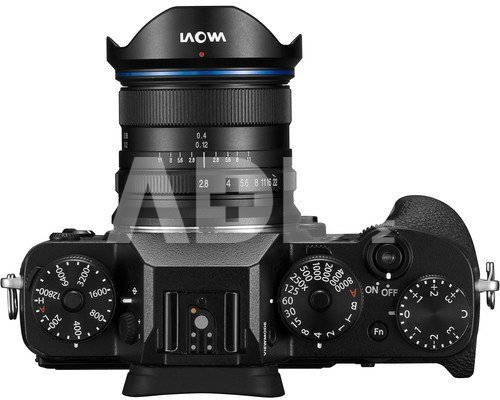
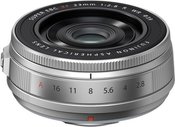
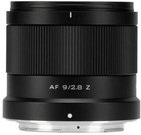
The Laowa 9mm F2.8 Zero-D lens delivers ultra-wide angle coverage of up to 113°. Its small size and light weight make it ideal for mirorless cameras. Two aspherical elements and three ultra-low dispersion elements successfully correct chromatic aberrations. Distortion is close to zero and sharpness is edge-to-edge. The ultra-compact lens, at only 215 g, is designed exclusively for APS-C format cameras, including the Fujifilm X. The Laowa 9mm Fuji X has ultra-wide angle coverage (up to 113°), covers APS-C (Super 35) sensors, produces super-sharp results and has close to zero distortion. The ultra-wide field of view is combined with an ultra-compact design. As a near-Zero-D lens (near-Zero-Distortion), this 9mm f/2.8 optical design is specifically engineered to minimize any optical distortion. This is extremely useful for both architectural photographers and aerial videographers. It also saves a lot of time when processing shots.
USEFUL IN LOW-LIGHT CONDITIONS
The optical design incorporates a pair of aspherical elements and three ultra-low dispersion elements to control both spherical and chromatic aberrations for improved brightness. The bright f/2.8 maximum aperture is ideal for working in low and difficult lighting conditions. Small size with a lightweight design ensures this lens will take up little space in your camera bag. A petal-shaped lens hood is also included to reduce flare and ghosting in high light conditions. The sleek and lightweight design of the lens is well suited to system camera bodies and is ideal for everyday photography, as well as being a great companion for vlogging.
FEATURES
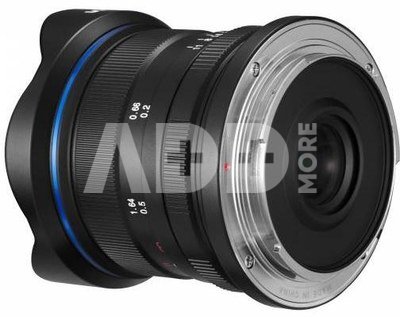
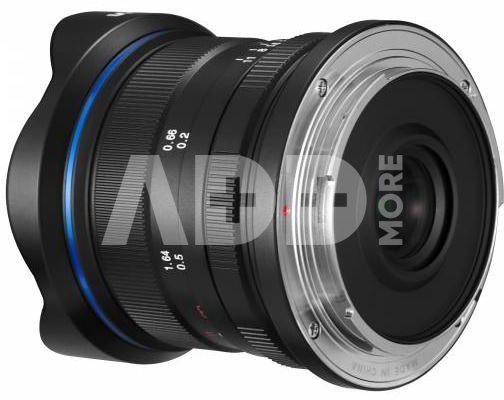
- The ultra-wide-angle 9mm f/2.8 prime is designed for APS-C format Fujifilm X mount mirrorless cameras and offers an equivalent focal length of 13.5 mm.
- The bright f/2.8 maximum aperture is ideal for low-light environment.
- Three ultra-low dispersion elements reduce chromatic aberrations and colour fringing for clarity and neutrality. There are also two aspherical elements to limit spherical aberrations when improving sharpness.
- A "Frog eye" coating is used to repel dust and moisture for added protection when working in adverse conditions.
- An added petal-shaped lens hood protects the lens from stray light to reduce illumination and also protects the front elements from accidental impact.
Typ of SensorAPS-C
Max Aperture
2.8 F
Focal length Movie
9 mm
Discuss with a consultant in Kaunas
We don't haveKlaipėdaAddress: Birželio 23-iosios g. 23gWorking hours: I-V 09:00 - 18:00VI-VII not workingPhone: +370 674 59488
Discuss with a consultant in Klaipėda
We don't haveKlaipėdaAddress: Taikos pr. 17Working hours: I-V 10:00 - 19:00VI 10:00 - 14:00VII not workingPhone: +370 604 43972
1. How to choose the right lens for a mirrorless camera?
When choosing the right lens for a mirrorless camera, it is important to consider your photography needs and style. First, decide on the resolution and focusing distance you require. For portraits, lenses with a wide aperture, such as a 50mm f/1.8, are often preferred. If you enjoy landscapes, go for a wide-angle lens (e.g., 24mm). To capture distant objects, telephoto lenses (e.g., 70-200mm) are useful. Another important factor is the lens’s light-gathering ability, which affects performance in low-light conditions. A stabilization system can also be important, especially for longer lenses. It’s important to evaluate the build quality of the lens and the manufacturer's reputation. Try out several lenses and consider your future needs to choose the right and long-lasting investment in your photography.
2. Are all lenses compatible with all mirrorless cameras?
Not all lenses are universal for all mirrorless cameras. Different manufacturers may have different mounts, so it is important to check the lens compatibility with your camera. For example, lenses for Canon, Nikon, Sony, and other manufacturers' mirrorless cameras may not be interchangeable without adapters. It is also important to consider the sensor size. APS-C lenses may be disproportionately large for full-frame cameras. Before purchasing a lens, it is advisable to check the manufacturer's compatibility chart and consider the specific requirements of your camera. Adapters can allow the use of third-party lenses, but there may be some loss in functionality or quality.
The website uses cookies, which help you ensure quality of service. Continuing browsing, you agree with fotoaparatas.lt cookies policy.Agree

















Reviews
0 average rating (0 votes)